
The Ukraine-Resource Deal 2026:
Strategic Intelligence Report | By Wish, Geopolitical Analyst
The Intelligence Brief: A Transactional Shift in January 2026
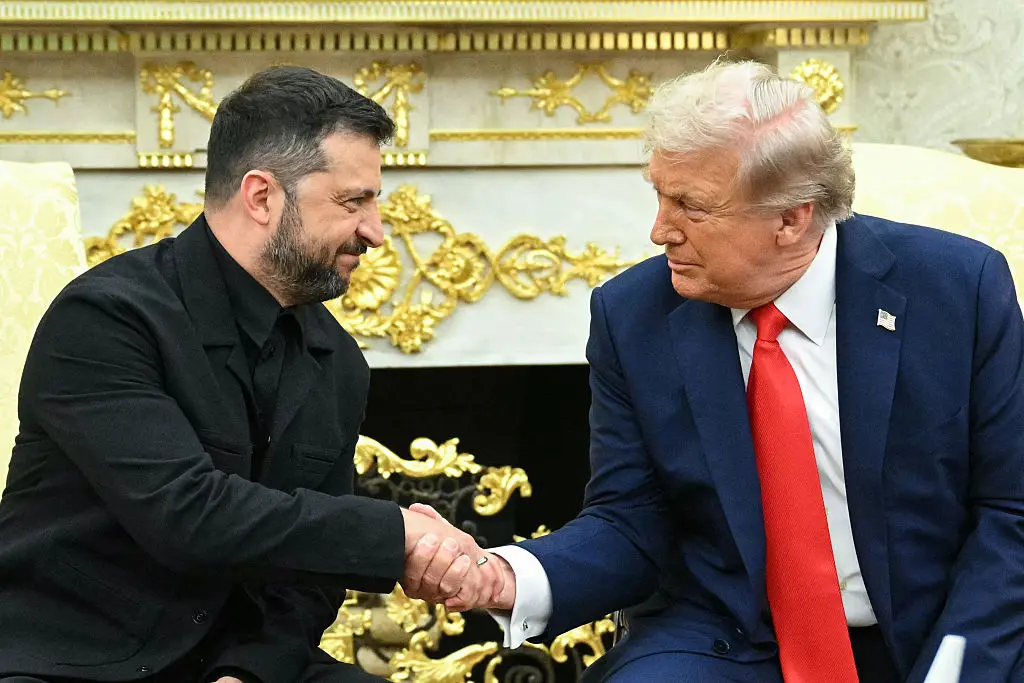
As we navigate the opening week of January 2026, the global political landscape is witnessing a seismic shift. The rhetoric of democracy versus autocracy that dominated the early years of the Ukraine conflict has been replaced by a much sharper, colder reality that’s Transactional Diplomacy. Following the return of Donald Trump to the White House and his subsequent high-level meetings with Ukrainian President Volodymyr Zelensky, a new architecture for peace is being drafted. It is not written in the language of treaties, but in the balance sheets of mineral wealth.
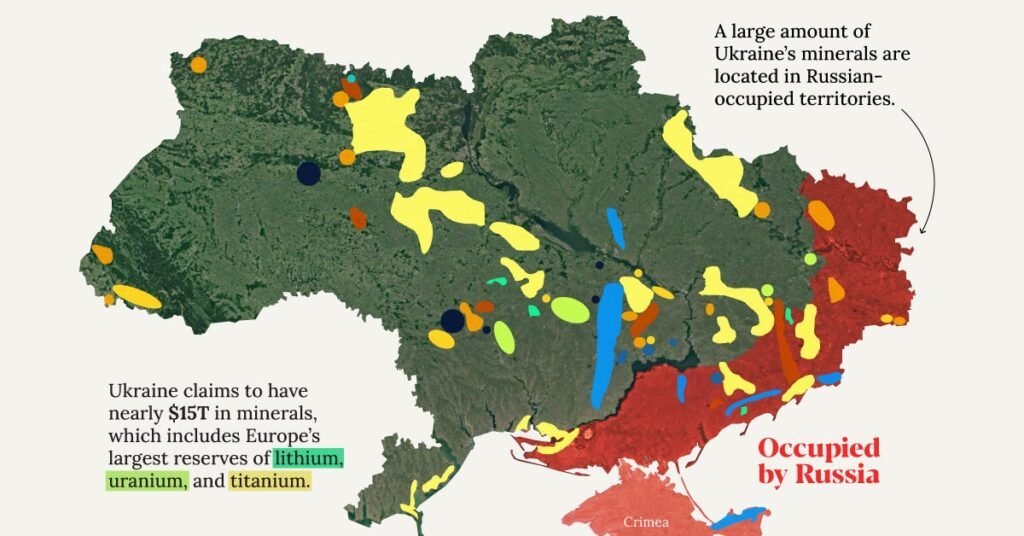
This is the Ukraine-Resource Deal 2026. At its core, the deal addresses a $12 trillion question. Ukraine, often viewed through the lens of its vast agricultural plains, is actually a geological fortress. It sits on some of the largest untapped reserves of lithium, titanium, neon, and graphite on the planet.
For the Trump administration, these resources are the compensation for years of American military aid. For Ukraine, they are the bargaining chip for a security guarantee that NATO could never quite deliver.
This report provides an exhaustive analysis of this pact, the minerals involved, and how this Peace for Resources deal will reshape the global economy for the next fifty years.

1. The $12 Trillion Vault: Ukraine as a Raw Material Superpower
To understand why Washington is so focused on this deal, we must look beneath the soil. According to updated 2025-26 surveys by the Ukrainian Geological Service, the country’s mineral wealth is not just large, it is strategically critical.
The Lithium Factor: The Heart of the EV Revolution
Ukraine possesses an estimated 500,000 tons of lithium oxide. In a world moving rapidly toward electric vehicles and renewable energy storage, lithium is the White Gold. Most of these deposits are located in the Kirovohrad and Zaporizhzhia regions.
The Global Significance: Securing Ukrainian lithium allows the West to build a supply chain that completely bypasses China’s dominance. By 2026, whoever controls these mines controls the cost of every electric car battery in Europe and North America.
Titanium and Aerospace Security
Ukraine is one of the top five global producers of titanium ore. However, its true value lies in Titanium Sponge production.
Defense Link: Titanium is non-negotiable for high-end defense manufacturing, including the AMCA 5th Gen Fighters and advanced naval hulls. For the US aerospace industry (Boeing, Lockheed Martin), an exclusive deal with Ukraine ensures they are never held hostage by Russian or Chinese exports.
2. The Peace for Resources Pact: How it Works
The Trump Ukraine Peace Deal 2026 is built on a Transactional Doctrine. The logic is simple: America provides the security Shield, and Ukraine provides the resource Fuel.
The Security-for-Sovereignty Swap
The proposed agreement suggests that the US will facilitate a ceasefire and provide long-term military support (Lend-Lease 2.0). In exchange:
Exclusive Mining Rights: Major US-led consortiums (including entities backed by BlackRock and Halliburton) will be granted exclusive 50-year leases for mineral extraction in liberated and safe zones.
The Debt Offset: The profits from these resources will be used to pay down Ukraine’s massive multi-billion-dollar debt to the United States.
Infrastructure Development: Washington will oversee the rebuilding of the Odesa and Mariupol ports specifically to facilitate the export of these minerals directly to the West.
3. Geopolitical Ripple Effects: China’s Strategic Nightmare
The biggest loser in the Ukraine-Resource Deal 2026 is not necessarily Russia, but China. For over a decade, Beijing has worked to monopolize the global rare-earth supply chain.
Breaking the Monopoly
If the US successfully integrates Ukrainian resources into the Western fold, China’s primary economic lever, its 80% control over critical minerals, will be broken.
The Tech War: With a steady supply of Ukrainian Neon (essential for semiconductor lithography), the US can accelerate its Semiconductor Mission without fear of Chinese retaliation.
European Anxiety: The deal creates a rift within the West. While Germany and France want a share of the lithium, the America First nature of Trump’s pact threatens to leave European industries as secondary buyers.
4. Future Development: Private Military Zones
My research suggests a developing trend that isn’t yet in the headlines: the rise of Resource Protection Zones (RPZs).
The Prediction: By late 2026, we may see the deployment of Private Military Contractors (PMCs) from the US to guard mining infrastructure in Eastern Ukraine.
The Strategy: These zones will act as Micro-Sovereign Entities, where Western technology and security are used to ensure that extraction continues even if low-level skirmishes persist on the border. This effectively turns Ukraine into a Secured Resource Hub for the global market.
5. The India Angle: The Global Processor
India has a unique opportunity in the Ukraine-Resource Deal 2026. As a nation with high-end refining capabilities and a neutral stance, India could become the world’s primary Midstream Processor.
The Tri-Lateral Opportunity
Processing Hub: Raw lithium and titanium from Ukraine could be shipped to India’s new industrial corridors for refining.
Infrastructure Synergy: Indian companies are already looking at reconstruction contracts in Western Ukraine, specifically in the energy and digital sectors, integrating Sovereign AI into the new administrative frameworks.

6. Economic Valuation: The RSI Formula
To analyze the long-term stability of this deal, we use the Resource Sovereignty Index (RSI):
Where:
V = Potential value of the mineral reserves ($12 trillion).
P = Pricing stability of global commodities.
I = Infrastructure investment cost.
R = Political and War Risk.
S = Security guarantee duration (years).
As of January 2026, the RSI for Ukraine has moved from Negative to Speculative Positive for the first time in five years, signaling a green light for global investors who can tolerate high risk.
7. Environmental and Social Considerations
No deal of this magnitude comes without a cost. The Ukraine-Resource Deal 2026 will face significant hurdles:
The Ecological Toll: Large-scale lithium and titanium mining are notoriously hard on the environment. Post-war Ukraine may have to choose between a Green Recovery and a Resource-Driven Recovery.
Tribal/Local Pushback: The residents of the Donbas and Zaporizhzhia regions will have to be convinced that their land is not just being sold to foreign corporations, but that they will see a share of the prosperity.
8. The 2026 Strategic Roadmap: What Happens Next?
Q1 2026: Finalization of the Mineral Mapping by the USGS and Ukrainian authorities.
Q2 2026: Official signing of the Kyiv Resource Accord during the G7 summit.
Q3 2026: Launch of the first Deep-Mining pilot projects in Western and Central Ukraine.
December 2026: Integration of Ukrainian minerals into the US National Defense Stockpile.
Conclusion: The New Era of Resource-Driven Peace
The Ukraine-Resource Deal 2026 is a sober reminder that the map of the world is often drawn with the minerals found beneath it. This is a transactional peace for a fractured world. While the guns may eventually fall silent, the competition for the resources that will power the 21st century has only just begun.
For Ukraine, it is a bitter but necessary path to survival. For the world, the birth of a new supply chain that could finally break the dependencies of the past. In 2026, peace is no longer an ideal, it is a $12 trillion business deal.