
By Wish
Quick Summary:
The Threat: China’s masterplan to encircle India using commercial ports.
The Response: India’s aggressive “Necklace of Diamonds” counter-strategy.
The Hotspots: Gwadar, Hambantota, Chabahar, and the Malacca Strait.
The Future: How the Indian Ocean is becoming the center of global conflict.
The String of Pearls theory has haunted Indian defense strategists for nearly two decades. The concept is simple yet terrifying: China is slowly building a network of commercial and military bases around India, effectively choking New Delhi in its own backyard.
However, the narrative that “India is sleeping” is outdated. While Beijing was busy threading its pearls, New Delhi was quietly stitching a counter-encirclement strategy known as the Necklace of Diamonds.
This analysis goes beyond the headlines of spy ships docking in Sri Lanka. We decode the grand chessboard of the Indian Ocean Region (IOR), where every port is a pawn and every submarine is a queen.
The Dragon’s Noose: Decoding the “String of Pearls”
China’s strategy isn’t just about military bases; it’s about “Dual-Use” infrastructure. They build commercial ports that can seamlessly transform into naval bases during wartime.
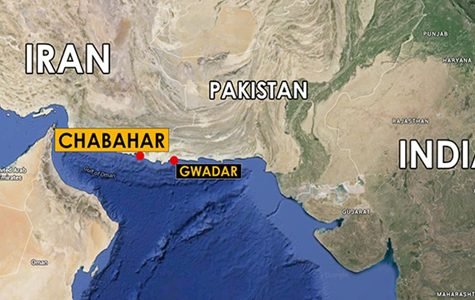
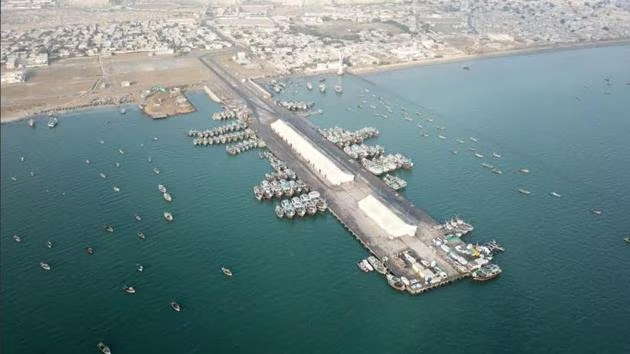
1. Gwadar Port (Pakistan): The Crown Jewel Located at the mouth of the Persian Gulf, Gwadar is the heart of the String of Pearls. It connects China’s landlocked western provinces directly to the Arabian Sea via the CPEC corridor.
The Threat: It allows the Chinese Navy (PLAN) to park submarines and frigates right next to Mumbai and Gujarat, bypassing the vulnerable Malacca Strait.
2. Hambantota (Sri Lanka): The Debt Trap Base China acquired this port on a 99-year lease after Sri Lanka defaulted on loans.
The Threat: It sits just a few hundred miles from India’s southern tip. Chinese spy ships like the Yuan Wang 5 regularly dock here to track Indian missile tests from Odisha.
3. Kyaukpyu (Myanmar) & Chittagong (Bangladesh) China is developing deep-water ports in Myanmar and container terminals in Bangladesh. This gives the PLAN direct access to the Bay of Bengal, threatening India’s Eastern Naval Command.
4. Djibouti (The Horn of Africa) This is China’s first official overseas military base. It secures the western flank of the Indian Ocean, ensuring China can control trade routes entering the Red Sea.
India Strikes Back: The “Necklace of Diamonds”
India’s response has been slow but strategic. The Necklace of Diamonds aims to cut the string at crucial choke points.
1. Chabahar Port (Iran): The Counter to Gwadar Just 72 km away from Gwadar lies Chabahar. India has invested heavily here to bypass Pakistan and access Afghanistan and Central Asia.
Strategic Value: It allows the Indian Navy to monitor Chinese movements in/out of the Persian Gulf and Gwadar.
2. Duqm Port (Oman): The Iron Gate India has secured access to the Duqm port for military use. Strategically, this is India’s most valuable asset in the Arabian Sea.
The Checkmate: It sits right between Gwadar and Djibouti. In a conflict, Indian naval ships operating from Duqm can cut off Chinese supply lines before they even reach Pakistan.
3. Sabang Port (Indonesia): The Malacca Choke The Strait of Malacca is China’s lifeline—80% of its oil passes through this narrow channel. India is developing the deep-sea port of Sabang with Indonesia, sitting right at the mouth of the strait.
The Malacca Dilemma: If China threatens India in the Himalayas, India can threaten China’s energy supply in Malacca.
4. The Island Strategy (Seychelles & Mauritius) India is building naval airstrips on Agalega Island (Mauritius) and Assumption Island (Seychelles). These “unsinkable aircraft carriers” extend India’s surveillance reach deep into the southern Indian Ocean, ensuring no Chinese submarine goes undetected.
The Technology Factor: Undersea Surveillance
This war isn’t just about ports; it’s about what lies beneath. India, in collaboration with Japan and the US (via the QUAD), has deployed a vast network of underwater sensors (SOSUS) along the Andaman and Nicobar chain. This “Fish Hook” sensor network can detect the distinct sound signature of Chinese submarines entering the Indian Ocean.
Recent reports confirm that India is also ramping up its P-8I Poseidon anti-submarine warfare aircraft fleet to hunt down the “Silent Killers” of the PLAN.
Conclusion: The End Game
The String of Pearls gave China an early advantage, but the Necklace of Diamonds has effectively leveled the playing field. The Indian Ocean is no longer a Chinese lake in the making.
However, complacency is not an option. As China launches its third aircraft carrier (Fujian) and expands its nuclear submarine fleet, the pressure on India will increase. The winner of this game won’t be the one with more ships, but the one who controls the choke points.
For students of defense and future policymakers, this rivalry is the defining geopolitical feature of our time.
Related Analysis: [Read how India’s INS Jatayu base specifically counters the Maldives threat.]