By Wish | [Geopolitical Intelligence]
The Great Game Moves North
For decades, strategic discussions in New Delhi were locked within the warm waters of the Indian Ocean. The primary concern was the Malacca Strait. But in December 2025, the RELOS Agreement India signed with Russia changed the map. The conversation has shifted from the tropical Indian Ocean to the freezing expanse of the Arctic.
This pact is not just a piece of paper; it is a grand strategic maneuver. While the media focused on missiles, the real game-changer was logistics. This agreement grants the Indian Navy access to Russian military facilities, including those in the Arctic region.
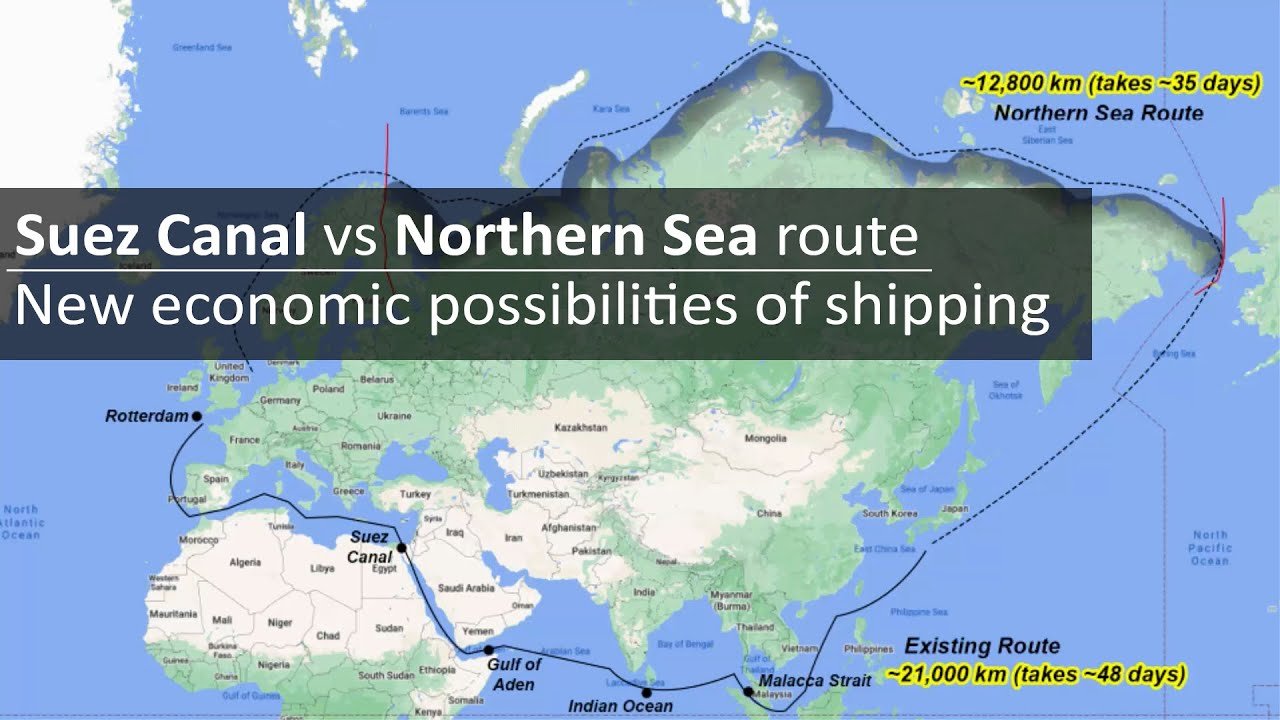
Why does a tropical nation need access to the North Pole? The answer lies in a global trend reshaping the world map: Climate Change. As the polar ice melts, a new shipping superhighway is opening up—the Northern Sea Route (NSR).
This analysis decodes why the RELOS Agreement India is rushing to finalize is worrying Beijing.
December 28, 2025 Flashpoint: Following the high-level defense meet in Moscow last week, the RELOS Agreement India has officially moved from the ratification phase to operational status. The first Indian guided-missile destroyer is slated to conduct a technical halt at the Russian Arctic port of Murmansk in early 2026, marking the practical beginning of India’s polar logistics reach.
The New Aviation Dimension:
In a strategic leap finalized in December 2025, the RELOS Agreement has been expanded to include reciprocal access to military airbases. This grants the Indian Navy’s P-8I surveillance aircraft the ability to operate from the Kamchatka Peninsula. For the first time, India can monitor the movement of Chinese and NATO assets in the North Pacific directly from Russian soil, eliminating the need for long-range sorties from the mainland.
Comparative Data: The Polar Balance of Power
To understand the urgency, we must look at what China is doing versus what the RELOS Agreement India aims to achieve.
| Feature | China (Polar Silk Road) | India (Via RELOS & Russia) |
| Strategy Name | Polar Silk Road (2018) | Arctic Policy / Chennai-Vladivostok |
| Status | Observer (active investment) | Observer (Strategic Partner) |
| Primary Goal | Alternative to Malacca Strait | Energy Security & Logistics |
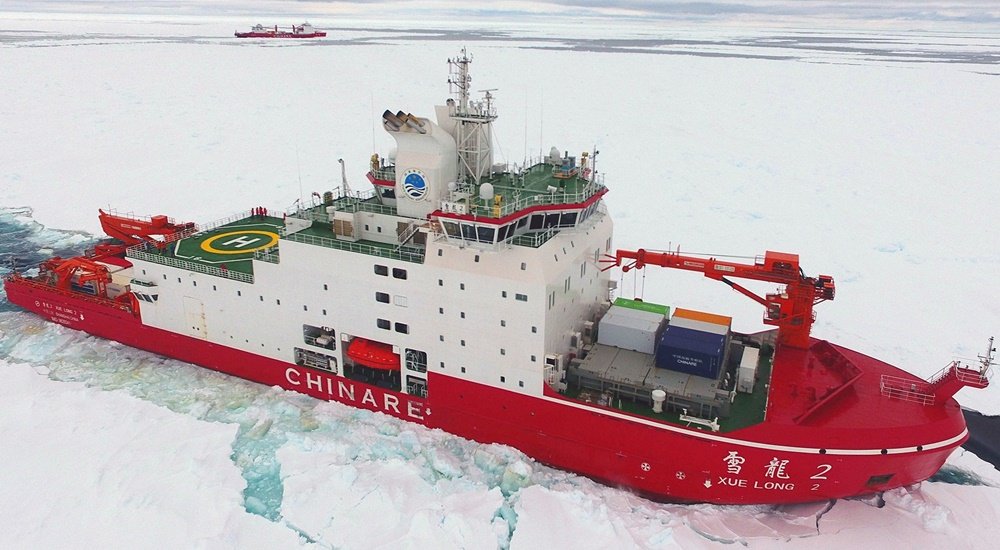
| Naval Reach | Icebreakers (Xuelong 2) | Logistics Access (Russian Ports) |
| Key Ally | Russia (Economic partner) | Russia (Defense partner) |
| Feature | China (2025 Status) | India (RELOS 2026 Outlook) |
| Arctic Presence | Heavy investment in ‘Yamal LNG’ | Joint Patrols with the Russian Northern Fleet |
| Logistics Support | Own Ice-breakers needed | RELOS-backed Russian Support Nodes |
| Strategy Shift | Moving toward ‘Polar Navy’ | Moving toward Vertical Deterrence |
1. What is RELOS? The Logistics of Power
In military terms, amateurs talk about strategy, but professionals talk about logistics.
The RELOS Agreement India is negotiating is the final piece in New Delhi’s logistics puzzle. India already has similar agreements with the US (LEMOA), France, Australia, and Japan. These pacts allow Indian warships to dock at foreign ports, refuel, restock food, and carry out repairs without paying cash upfront.
However, the Russian agreement is unique because it covers the Arctic.
Until now, if an Indian warship wanted to operate near the North Pole, it had zero support. It would have to carry its own fuel tankers, limiting its range. With the RELOS Agreement India effectively extends the Indian Navy’s reach by thousands of kilometers without building a single new base. An Indian destroyer can now pull into Murmansk, refuel from the Russian Navy, and continue its mission.
The Murmansk-Vladivostok Polar Bridge
Under the finalized RELOS Agreement India, the Indian Navy has secured priority access to three specific Russian nodes:
Murmansk: For Western Arctic monitoring.
Dikson Port: A critical refueling stop for the Northern Sea Route (NSR).
Vladivostok: The eastern hub of the Chennai-Vladivostok Maritime Corridor (CVMC).
This update is crucial because, as of late 2025, Russia has invited Indian state-owned enterprises to co-develop ‘Ice-Class’ merchant vessels at the Zvezda shipyard. This R&D synergy effectively bypasses Western sanctions on polar technology.
2. The Northern Sea Route (NSR): The New Suez?
Why go there at all?
Global warming is melting the Arctic ice caps at an alarming rate. Scientists predict that by 2035, the Arctic Ocean could be largely ice-free during summers. This opens up the Northern Sea Route (NSR).
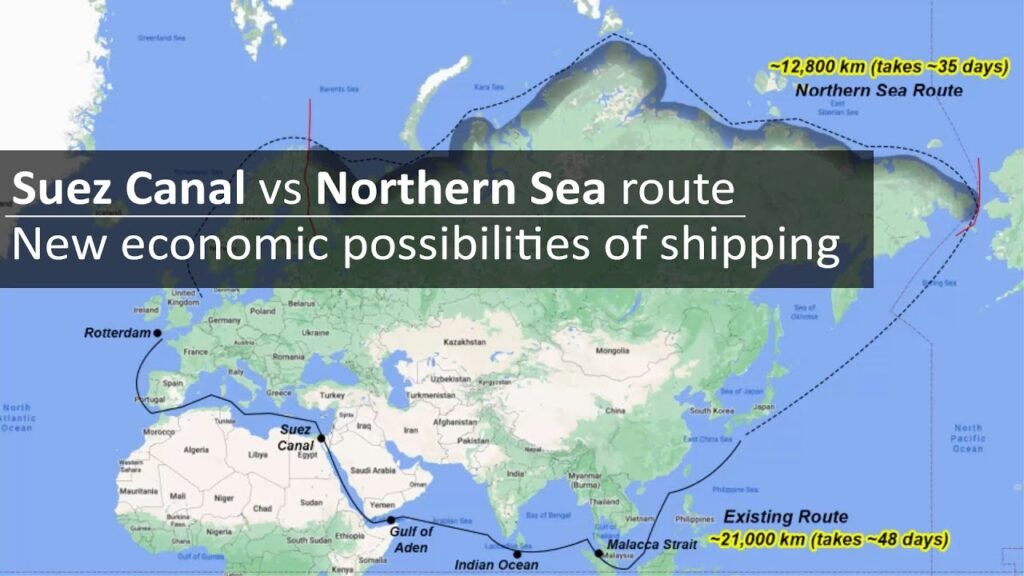
Currently, a ship traveling from Chennai to Rotterdam (Europe) via the Suez Canal takes about 40 days. The same ship, if it goes through the Arctic/Russian route, takes only 25 days. That is a 40% saving in time and fuel.
Russia controls the majority of this coastline. By finalizing the RELOS Agreement India is booking its seat on this future superhighway. We are ensuring that when global trade shifts North, New Delhi is not left watching from the sidelines.
3. The China Factor: Disrupting the ‘Polar Silk Road’
This is where the geopolitics gets intense.
China declared itself a “Near-Arctic State” in 2018. Beijing has pumped billions into its “Polar Silk Road” initiative, building icebreakers and investing in Russian energy projects. China’s goal is to reduce its dependence on the Malacca Strait, where the US and Indian Navy can blockade its trade.
India’s Counter-Move:
Russia, while needing Chinese money, is wary of Chinese dominance. Moscow does not want the Arctic to become a Chinese lake. This is where the RELOS Agreement India fits in. Russia views India as a “benign partner” a country with no territorial ambitions in the region.
By allowing Indian presence via RELOS, Russia dilutes China’s influence. For India, “being there” is a form of deterrence. It signals to Beijing that the Indian Navy has global reach.
4. The NATO Reaction: Walking a Tightrope
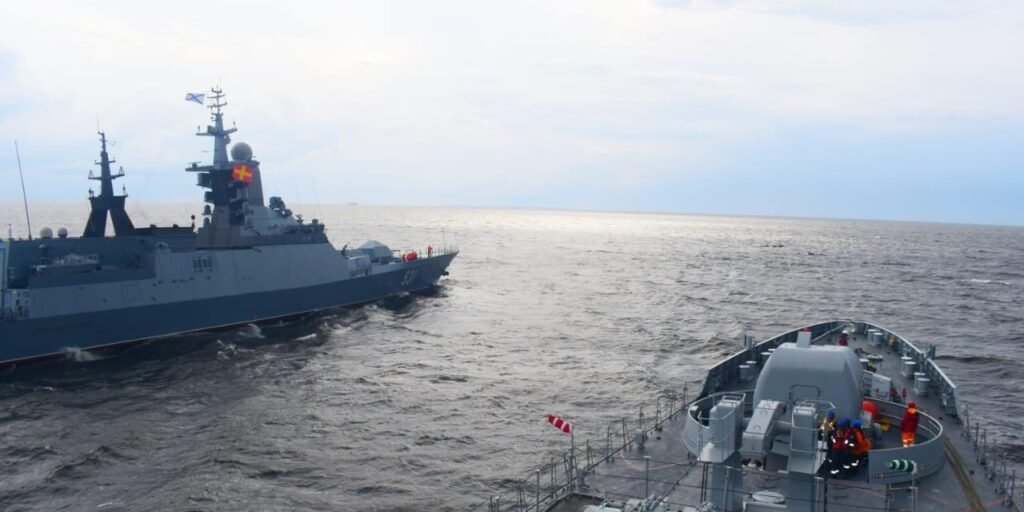
One cannot discuss Russia without mentioning the West. How does the US view the RELOS Agreement India has pursued?
Surprisingly, the reaction is muted. While NATO is hostile toward Russia, they are equally worried about China’s expansion in the Arctic. Washington understands that India is the only Asian power capable of checking China’s influence.
If the Arctic becomes a playground solely for China and Russia, it is a nightmare for NATO. But if India enters the mix via the RELOS Agreement India acts as a balancer. It complicates the calculus for everyone. This is classic Indian diplomacy using a relationship with Russia to secure strategic interests without alienating the West.
5. Energy Security: The ‘Chennai-Vladivostok’ Link
The Arctic isn’t just a road; it is a treasure chest. The region holds an estimated 30% of the world’s undiscovered natural gas.
As we analyzed in our previous report on the “Putin India Visit 2025“, energy security is the new backbone of ties.
Indian companies like ONGC Videsh are already invested in Sakhalin fields. The RELOS Agreement India ensures that the maritime route to bring this oil and gas to Indian the Chennai-Vladivostok Maritime Corridor is secured. We cannot rely on foreign commercial shipping for our critical energy needs in times of conflict. Having our navy capable of patrolling these waters guarantees that the energy tap stays open.
The late 2025 update reveals a massive industrial pivot:
Russia and India have initiated a Joint Arctic Shipbuilding program. Under this, Indian shipyards will begin constructing ice-class tankers and auxiliary vessels. This move ensures that India’s energy imports via the Northern Sea Route (NSR) are carried by an indigenous, sanction-proof fleet, effectively securing New Delhi’s ‘Energy Sovereignty’ for the next three decades.
6. The Climate Paradox
It is ironic that a defense agreement is driven by an environmental crisis.
India’s involvement in the Arctic Council is also scientific. The melting Arctic directly affects the Indian Monsoon. Studying the ice melt helps our scientists predict monsoon patterns better, which is crucial for agriculture.
The RELOS Agreement India allows our research vessels to operate for longer durations in these harsh conditions, supported by Russian infrastructure. It blends hard military strategy with critical scientific research.
Conclusion:
Expanding the Horizon
The signing of RELOS marks the maturation of India as a maritime power. We are no longer just an “Indian Ocean” power; we are taking steps towards becoming a global maritime player.
The Theatre Command Synergy: The RELOS Agreement India signed will now be managed directly by the Maritime Theatre Command (MTC) in Thiruvananthapuram. This allows India’s polar operations to be data-linked with our assets in the Indian Ocean, creating a “Vertical Security Corridor” from the North Pole to the Antarctic.
While the media focuses on jets, history will remember the RELOS Agreement India signed as the significant outcome of 2025. It secures energy, opens trade routes, and puts a check on China’s ambition. The ice is melting, but India’s resolve is solidifying.
Recommended Reading: India’s Global Strategic Reach
The RELOS Agreement India signed is a logistical masterstroke, but it is only one part of New Delhi’s 2026 global maritime posture. To understand how India is securing its interests from the Arctic to the Red Sea, explore our exclusive deep-dives:
The Command Revolution: Logistics agreements like RELOS are the backbone of India’s new warfare architecture. Read how these assets will be managed under the Integrated Theatre Commands India 2026: The $20 Billion Military Revolution.
The Red Sea Guard: While RELOS secures the ‘Cold Waters’ of the North, India is already dominating the ‘Warm Waters’ of the West. Analyze our latest report on Operation Sankalp 2.0 Red Sea: India’s Decisive Role as Net Security Provider.
The Silent Predators: Global reach requires subsurface dominance. Discover how India’s next-gen nuclear hunters will utilize these global logistics nodes: India’s Project 77 Nuclear Submarine: Decoding the $14 Billion Hegemony.