Great Nicobar Island Project 2026:
Strategic Intelligence Report | By Wish, Geopolitical Analyst
The Current Flashpoint: January 2026
The first week of January 2026 has brought a massive surge of interest toward a small, remote island in the Indian Ocean. On January 3, 2026, India’s Home Minister Amit Shah stood at Sri Vijaya Puram (formerly Port Blair) and made a bold declaration. He claimed that the Andaman and Nicobar Islands, once seen as a burden on the exchequer, are now set to become the Economic Goldmine of the country.
At the heart of this promise lies the ₹92,000 crore ($11 Billion) Great Nicobar Island Project. While the Indian government frames this as a historic move to rival Singapore and counter China’s Malacca Dilemma, a significant global protest has emerged. Just days ago, over 70 leading scientists and experts issued an urgent Grave Warning, claiming the project will cause irreversible damage to one of the world’s most pristine ecosystems.
This is not just a construction project, it is a geopolitical chess move. For India, Great Nicobar is an unsinkable aircraft carrier, that sits at the mouth of the world’s busiest trade lane. For the international community, it is a debate between national security and the survival of the planet’s rarest species.
This report provides a deep-dive analysis of the project’s 2026 status, its strategic necessity, and the human and ecological cost involved.
1. The Strategic Logic: The Malacca Dilemma and China
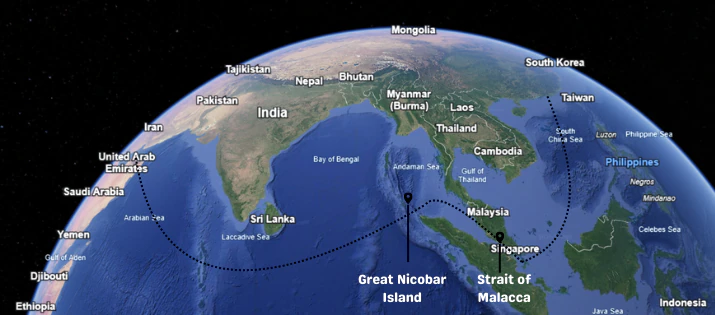
To understand why India is spending $11 billion on a single island, one must look at a map. Great Nicobar is located just 90 nautical miles from the tip of Sumatra, Indonesia. This tiny island is the gateway to the Strait of Malacca, through which nearly 70% of China’s energy imports pass every day.
The Strategic Choke Point
In military circles, China’s greatest fear is the Malacca Dilemma. The possibility in a conflict is, a rival power (like India or the US) could block this narrow strait and cut off China’s oil supply. By developing a massive military and commercial hub on Great Nicobar, India is effectively placing a lock on the mouth of this strait.
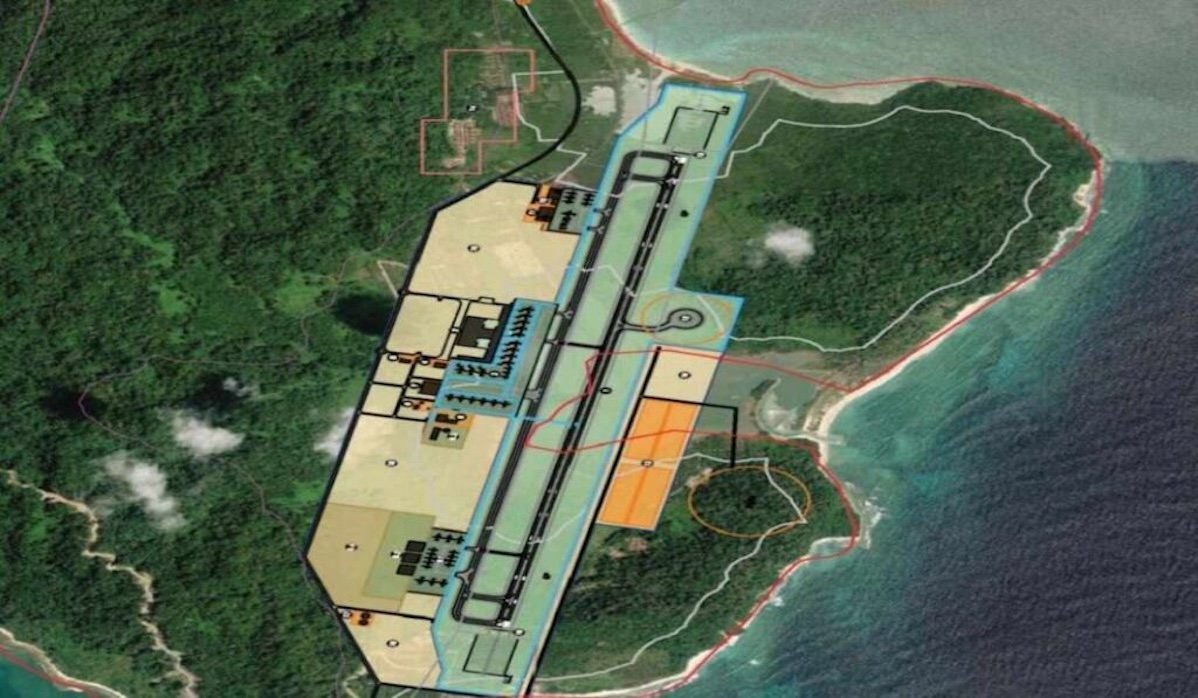
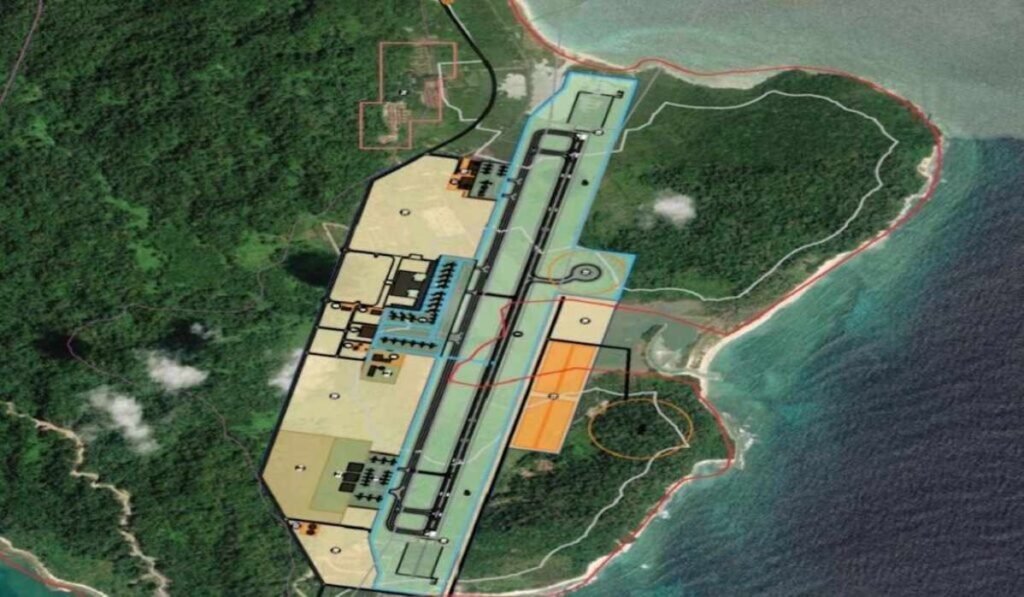
Naval Dominance: The project includes a dual-use military-civilian airport. In 2026, under the Integrated Theatre Commands framework, this base will host long-range surveillance drones and fighter jets like the AMCA 5th Gen.
Monitoring the ‘String of Pearls’: It allows India to monitor every Chinese submarine and research vessel entering the Indian Ocean from the South China Sea.
2. The Project Blueprint: Building a ‘Singapore of the East’
The Great Nicobar project is one of the most complex engineering tasks in human history. It is divided into four main pillars, each designed to make the island self-sufficient and profitable.
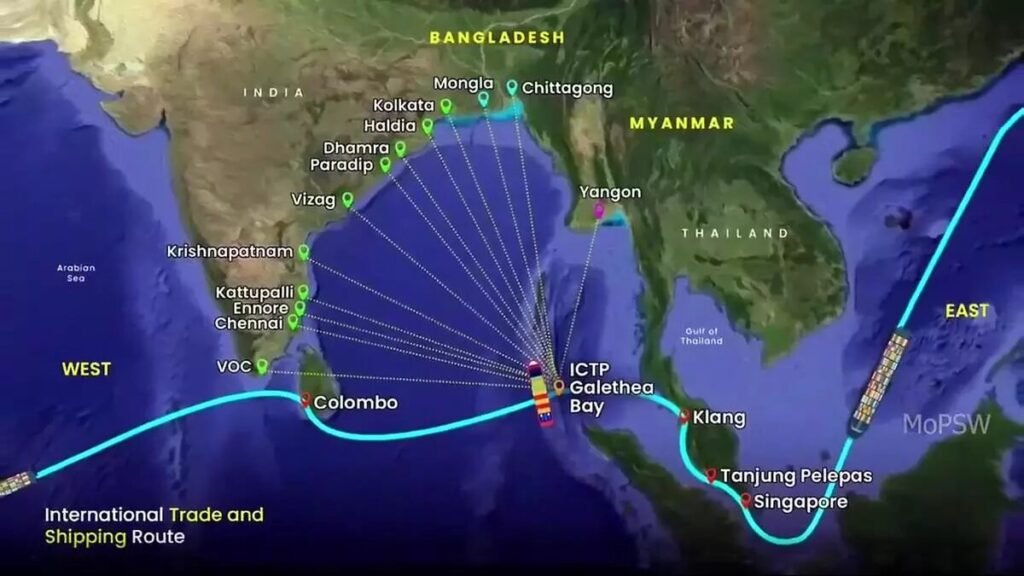
The Galathea Bay Transshipment Terminal
Currently, about 75% of India’s transshipped cargo is handled by foreign ports like Singapore, Colombo, or Klang (Malaysia). This costs India billions in foreign exchange.
The Vision: The Galathea Bay port is designed to handle the world’s largest container ships. By mid-2026, the first phase is expected to reach 40% completion, with a goal to rival Singapore’s efficiency by 2030.
Economic Impact: Estimates suggest the port could generate ₹30,000 crore in annual revenue once fully operational, creating over 50,000 jobs in the region.
The Greenfield City and Power Plant
A new city is being built from scratch to house over 6.5 lakh people. To power this massive infrastructure, a 450 MVA hybrid gas and solar plant is being constructed. This ensures that the island doesn’t rely on the mainland for its energy, which is a critical requirement for a strategic military outpost.
3. The Controversy: Why 70 Scientists are Sounding the Alarm
Despite the strategic benefits, the “Ecological Revolt” of 2025-26 has gained global attention. The open letter sent to the Environment Ministry in late 2025 by over 70 scholars and experts has highlighted several “Grave Illogics” in the project’s approval.
The Mathematical vs. Ecological Reality
The government claims that only 1.82% of the archipelago’s forest will be used. However, scientists argue this is misleading.
The Local Impact: The project will clear nearly 130 square kilometers of primary rainforest on Great Nicobar itself. This is not just any forest, it is a 100-million-year-old tropical rainforest that has never been disturbed by humans.
The 1 Million Trees: Critics point out that felling nearly 10 lakh trees cannot be compensated by planting trees in a different climate zone like Haryana or Rajasthan, a move the government has proposed for Compensatory Afforestation.
The Survival of the Giant Leatherback Turtle
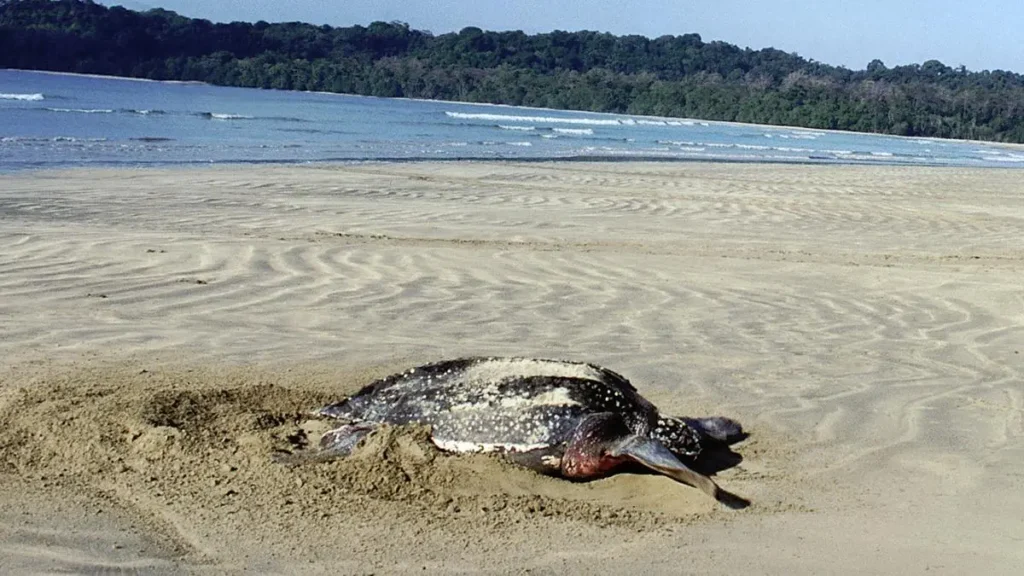
Galathea Bay is the most important nesting site in the Northern Indian Ocean for the Giant Leatherback Turtle, a species that has survived since the age of dinosaurs.
The Threat: The lights, noise, and massive dredging from the port will likely end the turtles’ nesting cycles forever.
The Nicobar Megapode: This unique bird, found nowhere else on earth, will lose its primary habitat. The loss of such “Endemic Species” is what experts call a Biological Catastrophe.
4. The Human Cost: The Shompen and Nicobarese Tribes
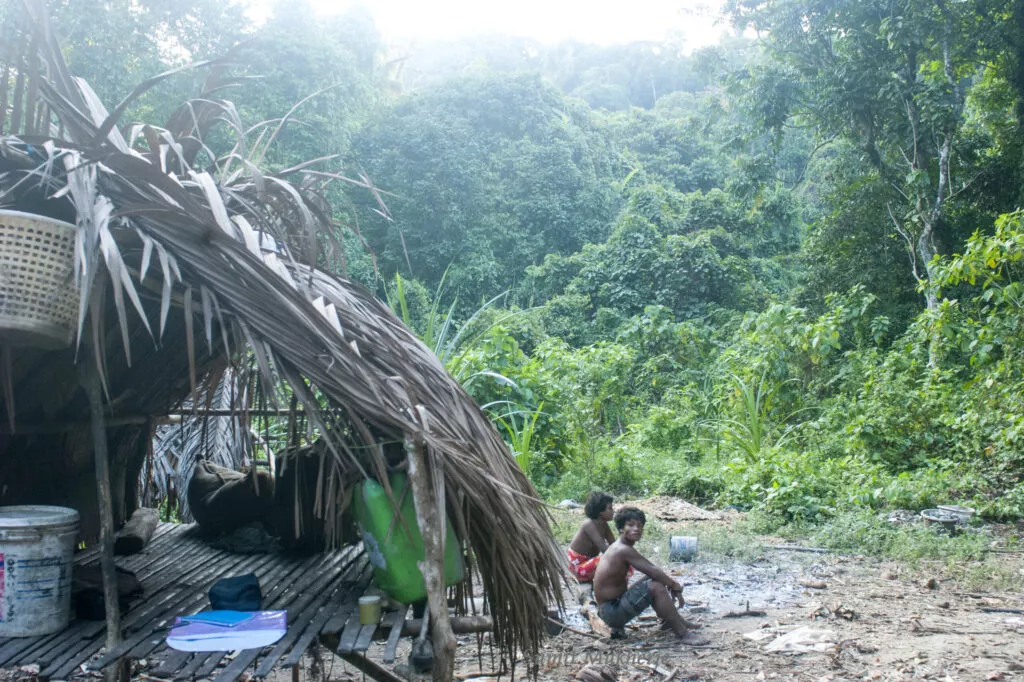
Great Nicobar is home to the Shompen, a Particularly Vulnerable Tribal Group (PVTG) of hunter-gatherers. There are only a few hundred Shompen left.
The Violation of Tribal Rights
Anthropologists argue that the project brazenly bypasses the Forest Rights Act.
Consent Issues: The Tribal Council initially gave a “No Objection Certificate” (NOC), but they revoked it in late 2025, claiming they were not given the full information about how much land they would lose.
Demographic Shock: Introducing 6.5 lakh outsiders into an area where only a few hundred indigenous people live could lead to the complete disappearance of the Shompen’s culture and language. This is often termed as ‘Demographic Genocide’ by human rights activists.
5. Geopolitical Rivalry: Great Nicobar vs. Hambantota and Singapore
India’s move is a direct response to China’s String of Pearls, a series of ports China has built around India, including Hambantota in Sri Lanka and Gwadar in Pakistan.
Comparative Analysis: Global Port Rivalry 2026
| Feature | Great Nicobar (India) | Singapore (The Global Leader) | Hambantota (China/SL) |
| Location | Gateway to Malacca (Strategic) | Center of Malacca (Commercial) | Indian Ocean Hub |
| Status (2026) | Phase 1 Construction | Fully Operational Leader | Debt-Contested Hub |
| Military Role | Deep Tri-Service Base | Logistics Supporter | Dual-Use Potential |
| Sustainability | Low (Ecological Risk) | Moderate (Reclaimed Land) | Moderate |
For India, Great Nicobar is the Hedge against Singapore. While Singapore is a friendly partner, India cannot rely on a foreign nation for 100% of its shipping security. Great Nicobar ensures that India has its own “Table” at the global trade meeting.
6. Technical Challenges: Building on a Seismic Fault Line
One of the most ignored aspects of the project is that Great Nicobar sits in Seismic Zone V, the highest risk category for earthquakes.
The Memory of 2004
The island was devastated by the 2004 Tsunami, where the coastline actually subsided (sunk) by several meters.
The Risk: Building a $9 billion infrastructure on a tectonic fault line is risky. Critics argue that a single massive earthquake could wipe out the entire port, leading to a ‘Sunken Investment.’
The Government’s Defense: Engineers claim that modern ‘Earthquake-Resistant’ designs will be used, similar to those in Japan. However, the sheer scale of the project in such a fragile zone remains an engineering gamble.
7. Integration with India’s 2026 Defense Grid
Great Nicobar is the Southern Pillar of India’s new defense architecture. It doesn’t work in isolation.
The Silicon Link: The smart city and military installations will utilize Trusted Hardware from the India Semiconductor Mission 2026, ensuring that its data cannot be hacked by Chinese spy ships.
Sky Shield: The island will host batteries of the Project Kusha Sky Shield, creating a 350km No-Fly Zone for any hostile aircraft entering from the east.
8. The 2026 Roadmap: What Lies Ahead?
As of January 2026, the project has moved into the No-Return zone.
Mid-2026: Finalization of tenders for the residential townships.
Late 2026: Start of the Coral Translocation program (a highly controversial attempt to move coral reefs to another part of the ocean).
2027: Testing of the 450 MVA power plant.
2028: Commissioning of the first two berths of the Transshipment Port.
Conclusion: The Cost of Sovereignty
The Great Nicobar Island Project 2026 is the ultimate test of India’s ambition as a global superpower. It is a story of a nation trying to balance the harsh realities of geopolitics with the moral duty of environmental preservation.
There are no easy answers. While the strategic necessity of countering China and securing trade is undeniable, the ecological and tribal warnings from the scientific community are grounded in deep truth. As the first dredgers begin their work in the turquoise waters of Galathea Bay, the world is watching.
Will Great Nicobar become the Singapore of India or will it be remembered as a monumental mistake that destroyed an ancient world for a temporary strategic gain?
In 2026, India has made its choice. Now, history will be the judge.
Recommended Reading: The Indo-Pacific Strategy Matrix
To fully understand how the Great Nicobar project fits into India’s 2026 global security posture, explore our related intelligence reports:
The Strategic Blueprint: Read our initial analysis on how this geography acts as a weapon: Great Nicobar Project: 4 Ways India is Building an Iron Curtain Against China.
Command Integration: Discover how these strategic islands will be managed under the Integrated Theatre Commands India 2026: The $20 Billion Military Revolution.
The Sky Shield: Analyze the air defense net that will protect our southern islands: Project Kusha India Sky Shield 2026: The Indigenous Iron Dome.
Subsurface Dominance: See how India’s nuclear hunters will utilize the Nicobar deep-sea ports: India’s Project 77 Nuclear Submarine: Decoding the $14 Billion Hegemony.