By Wish | Strategic Analysis
The Sentinel of the Arabian Sea
In the vast chessboard of the Indian Ocean, islands are the most valuable pieces. While the world focused on the diplomatic spat between India and the Maldives, New Delhi quietly played a masterstroke.
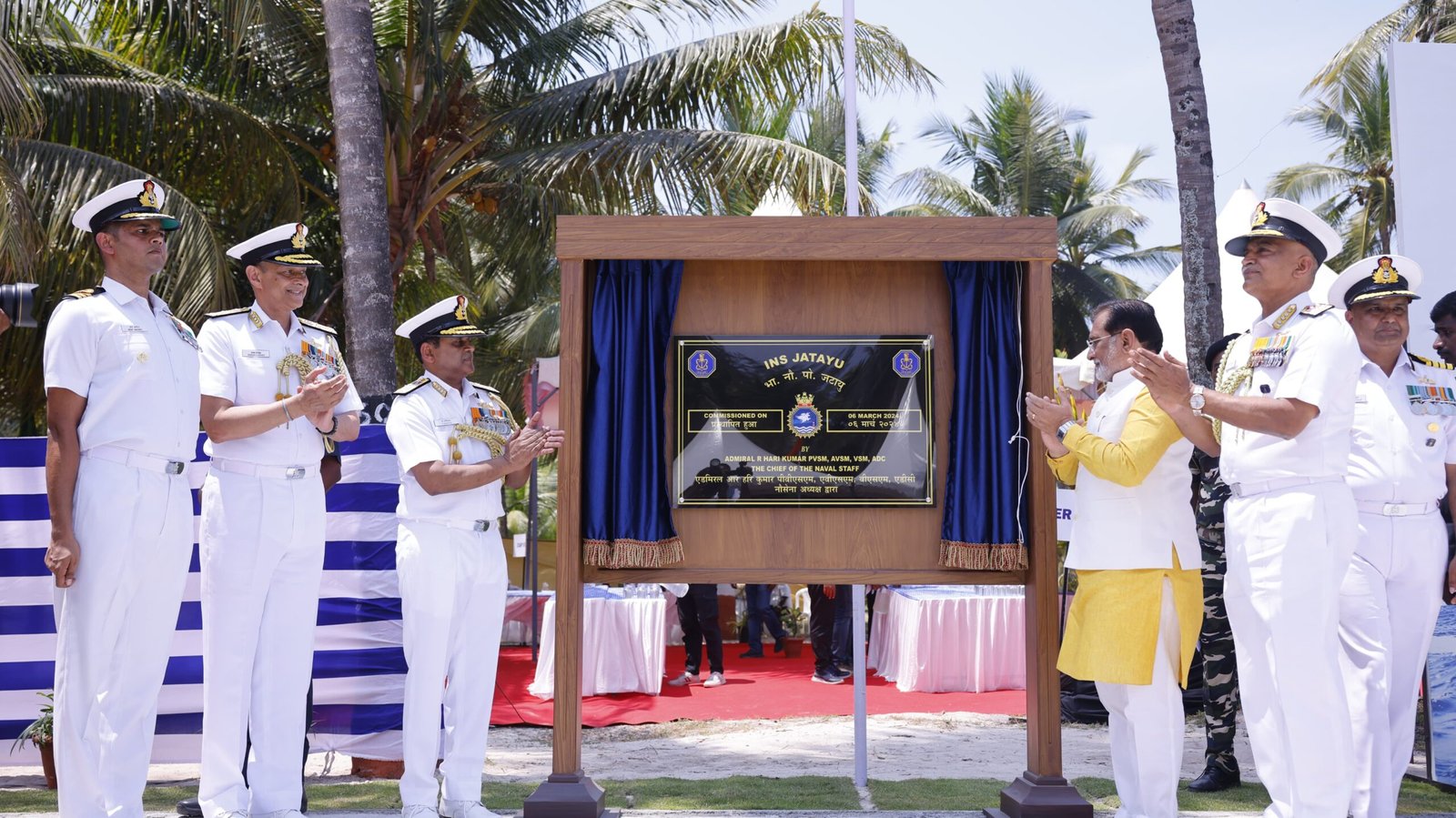
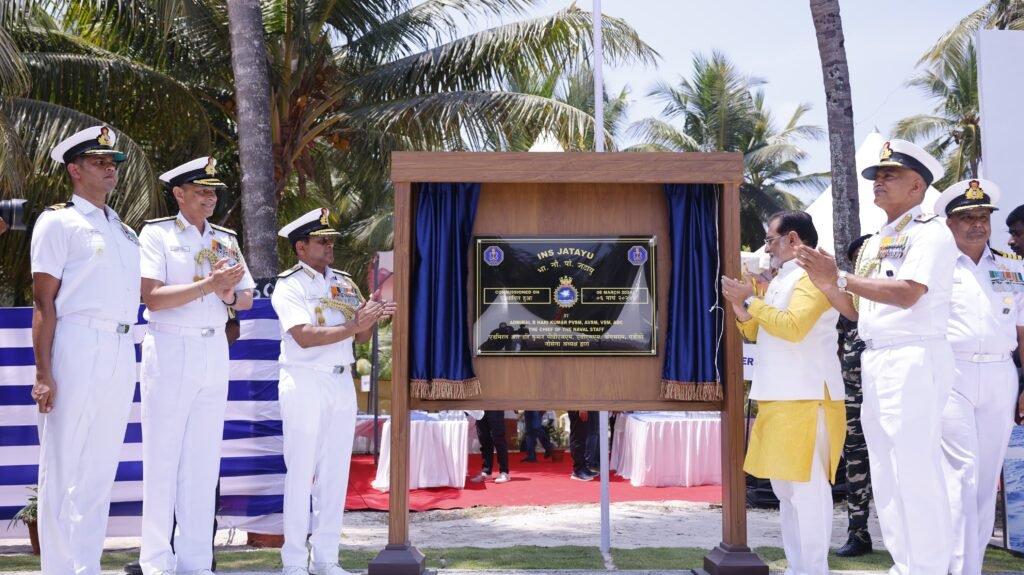
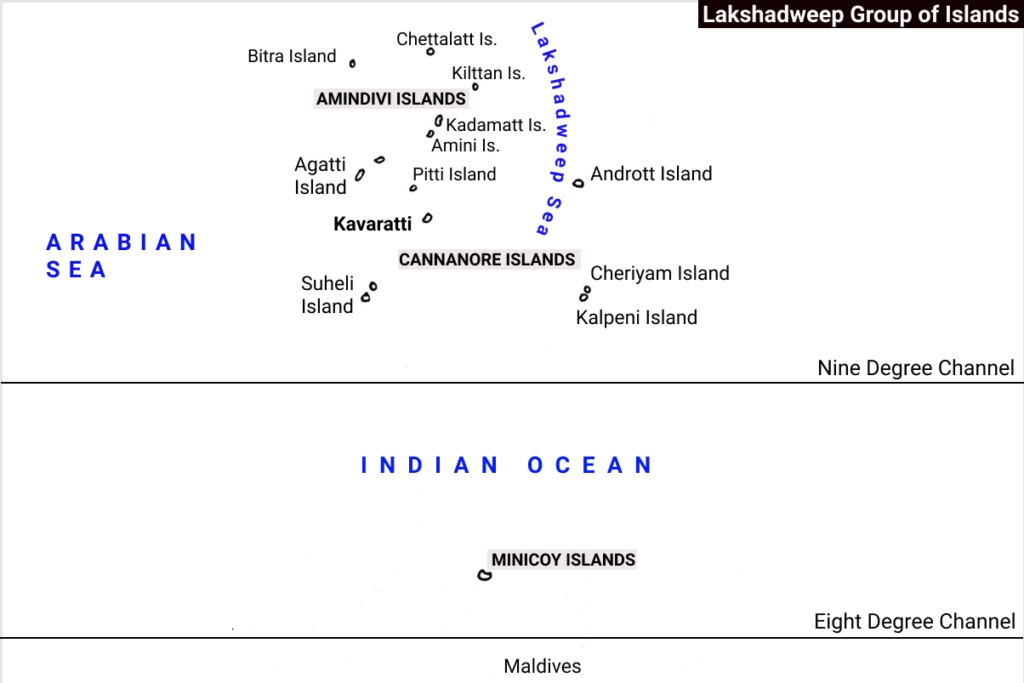
The commissioning of INS Jatayu at Minicoy Island is not just an administrative upgrade; it is a loud geopolitical signal to Beijing and Male. Located just 130 kilometers from the northern islands of the Maldives, INS Jatayu serves as India’s new “sentinel” in the Arabian Sea.
This is no longer just a small detachment. It is being transformed into a full-fledged naval base capable of hosting fighter jets, radars, and BrahMos missile batteries.
Strategic Snapshot
(Why this island matters)
| Feature | Details |
| Location | Minicoy Island (Southernmost island of Lakshadweep). |
| Distance to Maldives | ~130 km (Visible range for radars). |
| Strategic Choke Point | Overlooks the Nine Degree Channel. |
| Role | Surveillance, Anti-Piracy, and Anti-Submarine Warfare. |
1. Why Minicoy? The “Choke Point” Strategy
Geography dictates destiny. Minicoy sits right next to the Nine Degree Channel.
This channel is one of the busiest shipping routes in the world. Billions of dollars worth of oil and trade pass through here daily on their way to Southeast Asia and China.
By establishing a permanent base here, India effectively holds the “key” to this gate.
The Gatekeeper: In the event of a conflict, the Indian Navy can easily monitor or block hostile vessels passing through this critical chokepoint. It is the western equivalent of the Malacca Strait dilemma.
2. Countering the “String of Pearls”
We have extensively covered China’s String of Pearls strategy to encircle India. INS Jatayu is the shield against that sword.
China has been aggressively sending its “Research Vessels” (Spy Ships) like the Xiang Yang Hong 03 to the Maldives.
The Threat: These ships map the ocean floor to create pathways for Chinese nuclear submarines to hide.
The Response: INS Jatayu will house advanced radar and sonar systems to track these submarines. It acts as the “eyes and ears” of the Indian Navy in the south-western waters.
3. The “Unsinkable Aircraft Carrier”
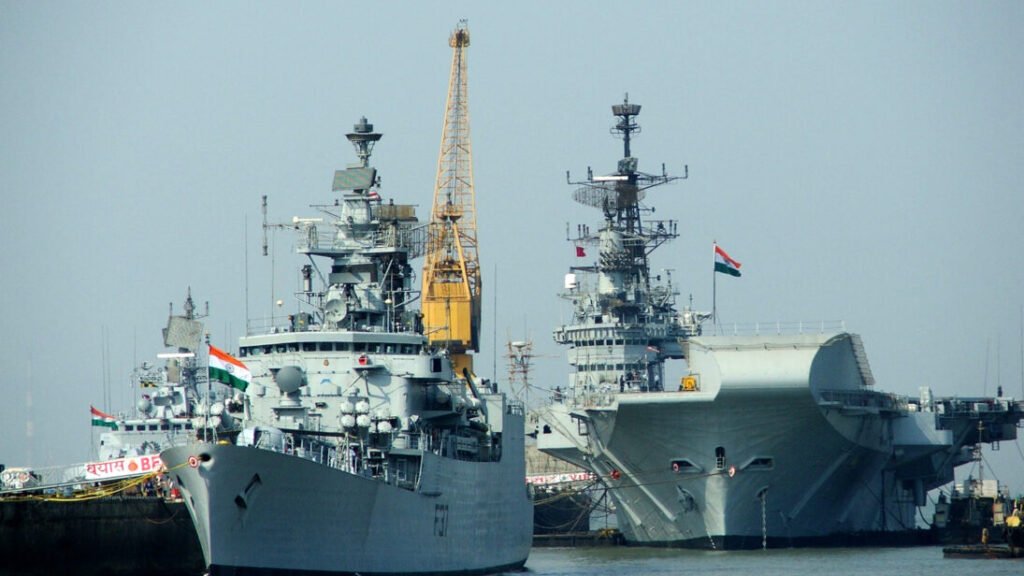
Defense analysts often describe island bases as “unsinkable aircraft carriers.”
Building a new aircraft carrier costs $5 billion and takes 10 years. Turning an island into a base costs a fraction of that and it cannot be sunk by a torpedo.
Future Upgrades:
Plans are underway to extend the airstrip at Minicoy to handle:
P-8I Poseidon: India’s premier submarine hunter aircraft.
Sea Guardian Drones: For 24/7 surveillance without risking pilots.
Fighter Jets: In a worst-case scenario, it can serve as a forward base for Rafale or Tejas jets.
4. The Maldives Connection
The timing of this commissioning was no coincidence. It happened right when the new Maldives government demanded the withdrawal of Indian troops.
By operationalizing INS Jatayu just miles away, India sent a clear message: Troops may leave the Maldives, but India’s security presence in the region is permanent and non-negotiable.
It ensures that even if the Maldives tilts towards China, India retains control over the critical sea lanes surrounding the archipelago.
Conclusion: From Continental to Maritime
INS Jatayu proves that India is moving from a “Continental Mindset” (border wars with Pakistan/China) to a “Maritime Mindset.”
By fortifying Great Nicobar in the East and Minicoy in the West, India is creating a “Double Lock” on the Indian Ocean. Any hostile force entering these waters will now have to pass through India’s gates.
What do you think?
Should India further militarize its island territories despite environmental concerns? Let us know in the comments.
Read Next: [How the Great Nicobar Project secures the Eastern front of the Indian Ocean.]