The Indo-Pacific Ghost Fleet 2026
Strategic Intelligence Report | By Wish, Geopolitical & Defense Analyst
The Intelligence Brief: The Silent Revolution
As we navigate the opening week of January 2026, the strategic landscape of the Indo-Pacific is undergoing a transformation that few could have envisioned just a decade ago. The days when maritime power was measured solely by the number of massive aircraft carriers or nuclear-powered destroyers are fading. A new, silent player has taken control of the deep blue: the Ghost Fleet. These are flotillas of Unmanned Surface Vessels (USVs) and Unmanned Underwater Vehicles (UUVs) that operate with high-level autonomy, guided by advanced artificial intelligence rather than human crews on board.
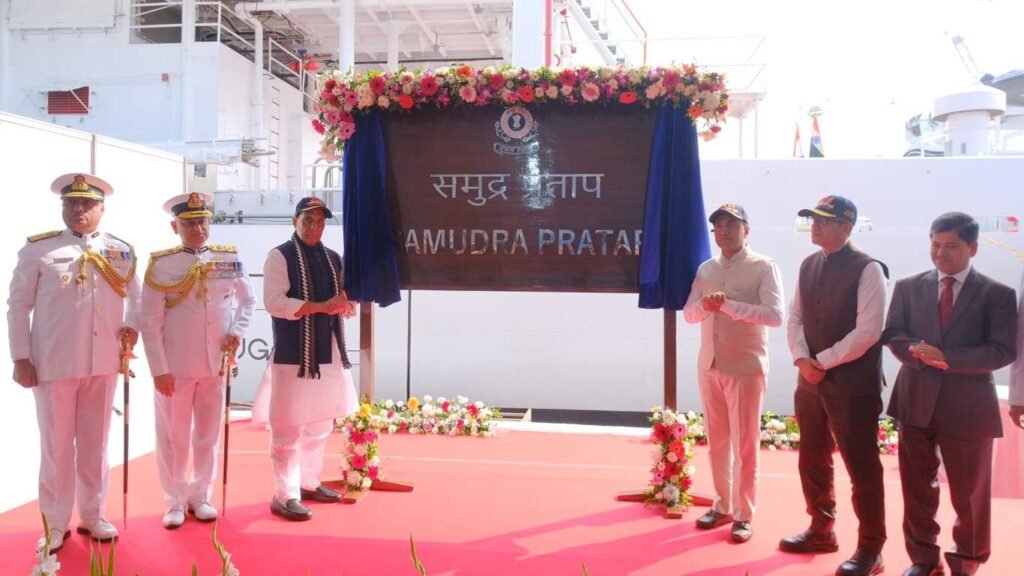
The transition from Manned to Unmanned is not merely a technological upgrade. It is a fundamental shift in naval doctrine. On January 5, 2026, the commissioning of the ICGS Samudra Pratap in Goa by Defense Minister Rajnath Singh served as a clear indicator of this shift. While primarily a Pollution Control Vessel (PCV), the minister’s emphasis on AI-enabled maintenance and cyber-secure platforms highlighted India’s intent, that is, integration of high-tech autonomy into its sovereign fleet.
As regional tensions rise, from the South China Sea to the Malacca Gateway, the Ghost Fleet is no longer science fiction, it is the primary shield of the Indo-Pacific.
1. The Doctrine of the Ghost Fleet: Beyond the Horizon
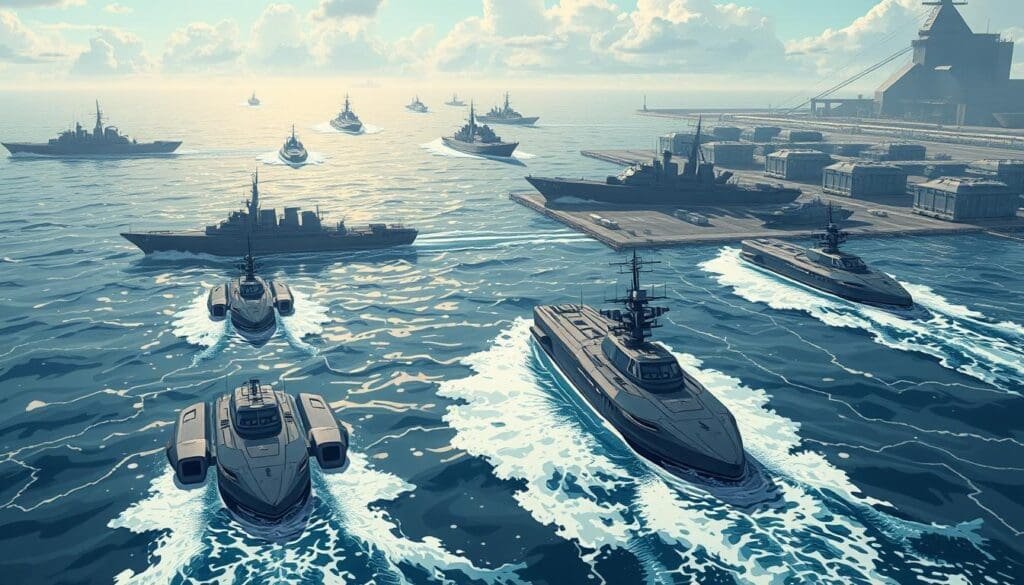
In the strategic vocabulary of 2026, a Ghost Fleet refers to an integrated network of autonomous maritime systems that can conduct surveillance, reconnaissance, and strike missions without direct human intervention. The primary goal is to maintain a 24/7 presence in contested waters where manned vessels would be too vulnerable or expensive to operate. The naval commands across the QUAD (India, USA, Japan, and Australia) are now pivoting toward what is known as the 4D Framework.
The 4D Framework defines the tasks for which the Ghost Fleet is uniquely suited:
Dull: These are long-duration, tedious surveillance missions that can last for months. An autonomous USV can patrol the vast expanse of the Indian Ocean Region (IOR) without needing food, rest, or shore leave.
Dirty: In scenarios involving chemical, biological, or nuclear contamination or even extreme environmental disasters, autonomous vessels can enter zones where human life would be at extreme risk.
Dangerous: In high-threat environments, such as A2/AD (Anti-Access/Area Denial) zones guarded by hypersonic missiles, expendable Ghost ships can draw enemy fire and map defenses without risking sailors.
Deep: Reaching the crushing depths of the ocean floor for subsea cable protection or mine-hunting is a task increasingly handled by advanced UUVs that operate far beyond the limits of manned submersibles.
2. The ‘Hellscape’ Strategy: Deterrence in the Taiwan Strait
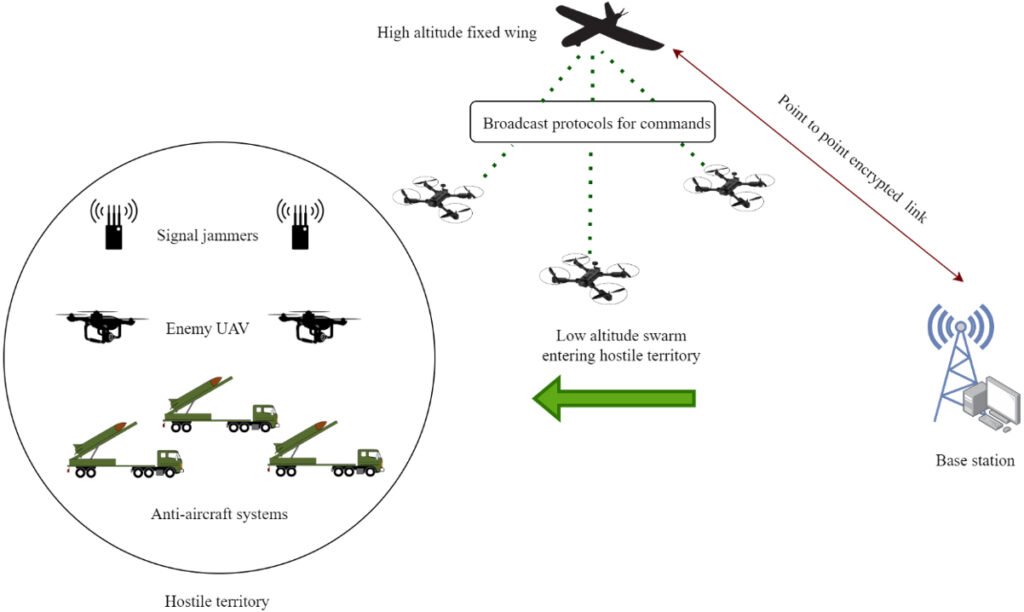
One of the most trending and analyzed terms in early 2026 is the Hellscape strategy. First conceptualized by the US Indo-Pacific Command, this doctrine aims to turn the Taiwan Strait into a literal unmanned hell for any potential invading force. The logic is simple yet lethal, the moment a conflict begins, thousands of low-cost, AI-driven surface and underwater drones are released into the water.
This swarm is designed to overwhelm an adversary’s sensors and defenses. While a traditional navy relies on high-value targets like cruisers, the Hellscape strategy relies on attritable systems, drones that are cheap enough to be lost in large numbers. By saturating the theater with thousands of these Ghosts, the defending force creates a persistent and chaotic operational environment.
For China’s People’s Liberation Army Navy (PLAN), navigating such a Hellscape would mean facing a threat that is impossible to target completely and easy to replenish. India, while not directly involved in the Taiwan scenario, is closely observing this doctrine to secure its own Gateways in the Andaman and Nicobar Islands.
3. Project Samudra Pratap: India’s Indigenous Autonomous Leap
The commissioning of ICGS Samudra Pratap on January 5, 2026, represents a significant milestone in India’s quest for Aatmanirbharta (Self-Reliance). Built by Goa Shipyard Limited (GSL) with over 60 percent indigenous content, this 4,170-ton vessel is the largest of its kind in the Indian Coast Guard fleet. However, the true significance lies beneath the surface of its pollution-control mission.
Defense Minister Rajnath Singh’s address during the commissioning was a strategic signal. He described self-reliance not as a luxury but as a strategic necessity. Samudra Pratap is equipped with state-of-the-art dynamic positioning systems and an integrated platform management system that allows for high levels of automation. As we move toward the International Fleet Review (IFR-2026) and the MILAN-26 exercises in Visakhapatnam next month, the Samudra Pratap class will serve as the testbed for India’s future autonomous naval programs. It is a bridge between traditional maritime safety and the high-tech, AI-driven naval warfare of the next decade.
Watch: Indian Navy’s autonomous capabilities showcased at IFR-2026.
4. Technical Deep-Dive: Sensor Fusion and Acoustic Fingerprinting
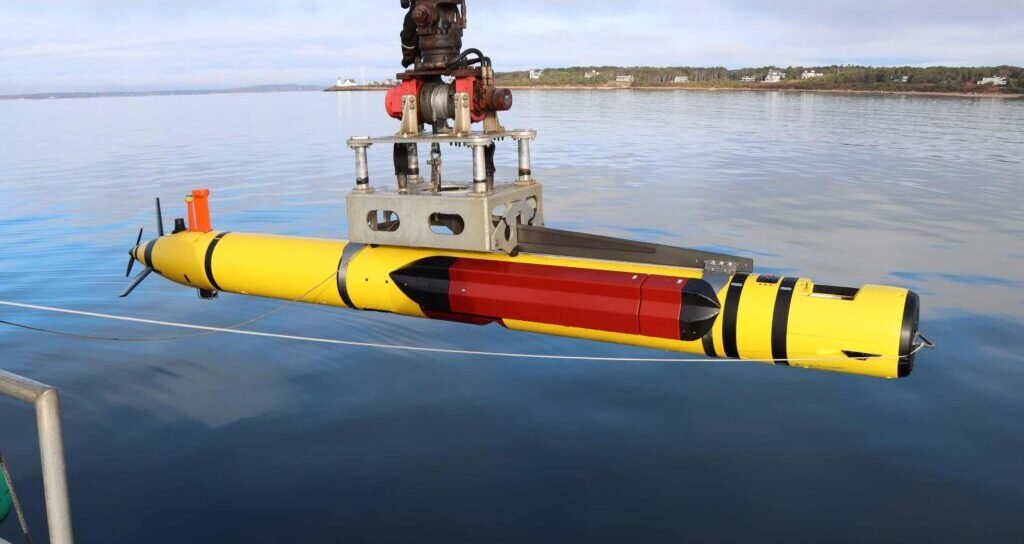
What exactly powers a Ghost Fleet? The core of the technology is Edge-AI, artificial intelligence that processes data locally on the ship rather than relying on a distant server. This is critical in the electromagnetic silence of a combat zone. In 2026, Indian naval drones are increasingly using Acoustic Fingerprinting to track subsurface threats.
Every submarine has a unique acoustic signature, the sound of its propellers, its engines, and its hull. Using ultra-sensitive sonar arrays and AI algorithms trained on massive datasets, a Ghost Fleet can identify a silent Chinese Shang-class submarine from miles away. This data is then fused with satellite inputs from the Defence Space Agency (DSA) through a secure, encrypted link known as NavIC-Next. This Sensor Fusion allows for a comprehensive, real-time map of the ocean, where every ripple and every sound is analyzed for potential threats.
5. Geopolitical Rivalry: The Race for Autonomous Supremacy
The Indo-Pacific has become the primary laboratory for the global naval arms race. While the US leads with its Replicator initiative, aiming to field thousands of autonomous systems by 2027. China is not far behind with its secretive Sea Wing UUV program. India, meanwhile, has positioned itself as the Security Provider for the Global South, offering a middle path of Trusted Autonomy.
The QUAD Naval Synergy is the cornerstone of this rivalry. In 2026, we are seeing the first signs of a unified Autonomous Network between the US, India, Japan, and Australia. By sharing data from their respective Ghost Fleets, these nations are creating a persistent surveillance wall across the First Island Chain and the Indian Ocean. This collective deterrence is the only way to counter the Grey-Zone tactics often employed by regional adversaries, where fishing militias and research vessels are used to slowly erode maritime sovereignty.
6. Economic and Industrial Impact: The $150 Billion Market
The shift to autonomous systems is also an economic revolution. By 2026, the global market for autonomous naval platforms has crossed the $150 Billion mark. In India, this has sparked a boom in defense start-ups and MSMEs. Companies that were once making consumer drones are now partnering with the Navy to build underwater swarm bots and surface patrol USVs.
The cost-to-benefit ratio is the primary driver. A traditional destroyer can cost over $1.5 billion and take six years to build. For the same price, a nation can deploy an entire Ghost Fleet of 1,000 high-end USVs. This mass-produced approach to naval power allows India to scale its presence in the Indian Ocean without breaking the bank. It also creates a massive export opportunity, nations in Southeast Asia and Africa are increasingly looking to India for low-cost, reliable autonomous maritime solutions.
7. Future Aspects: Nuclear-Powered Ghosts and Deep-Sea Bases
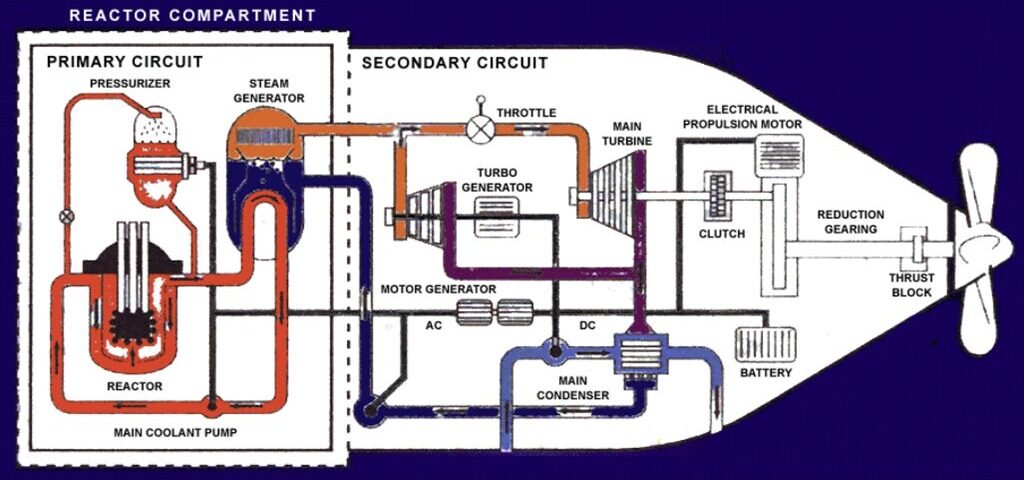
Looking ahead to the late 2020s, my research indicates a developing trend that is currently under the radar, Nuclear-Powered Autonomous Vessels. As the technology from India’s SMR Revolution matures, we will see the deployment of high-endurance Ghost Ships powered by micro-reactors. These vessels will be able to stay at sea for five to ten years without ever needing to refuel.
Furthermore, we are hearing whispers of Ghost Bases in the remote corners of the Andaman and Nicobar Islands. These would be automated supply hubs where autonomous vessels can pull in, undergo robotic repairs, and redeploy without any human staff on-site. This would turn the entire archipelago into a self-sustaining defensive shield, making any attempt to enter the Indian Ocean through the Malacca Strait a tactical nightmare for hostile navies.
8. The Ethical Frontier: The Human-in-the-Loop Debate
As we conclude this analysis, we must address the ethical challenges. The rise of autonomous killers at sea has sparked a global debate on Lethal Autonomous Weapons Systems (LAWS). India’s naval doctrine for 2026 remains firm, there must always be a Human-in-the-Loop. While an AI can identify and track a target, the final decision to engage must come from a human commander.
However, the speed of modern warfare is pushing this boundary. In a Hellscape scenario, where thousands of drones are engaging simultaneously, a human cannot possibly make every decision. The transition toward Human-on-the-Loop, where the AI makes decisions and the human only intervenes to stop a mistake, is the likely future. Ensuring the cyber-resilience of these systems is also paramount, a hijacked Ghost Fleet could become the ultimate Trojan Horse in maritime history.
Conclusion: The Guardian of the Blue Frontier
The Indo-Pacific Ghost Fleet 2026 is the definitive answer to the complexities of 21st-century maritime security. It is a fusion of AI, sovereign manufacturing, and strategic foresight. By commissioning ships like Samudra Pratap and embracing the Hellscape doctrine, India and its partners are ensuring that the oceans remain free, open, and secure. The sea is no longer a void, it is a sentient, monitored, and protected space.
As the silent ghosts of the Indian Navy begin their long patrol, they carry with them the promise of a nation that is ready to lead the world into the era of autonomous sovereignty.
Recommended Reading: The Strategic Pillars
To understand how the Ghost Fleet integrates with India’s 2026 national security, explore these reports:
Energy Backbone: India’s Nuclear Renaissance 2026: The Thorium & SMR Roadmap
Southern Anchor: The Great Nicobar Gamble 2026: Amit Shah’s $11 Billion Vision
Silicon Core: India Semiconductor Sovereignty 2026: The Micron & Tata Reality
Sky Shield: Project Kusha India Sky Shield 2026: The Indigenous Iron Dome