India’s Nuclear Renaissance 2026
Strategic Intelligence Report | By Wish, Energy & Defense Analyst
The Intelligence Brief: A New Energy Dawn
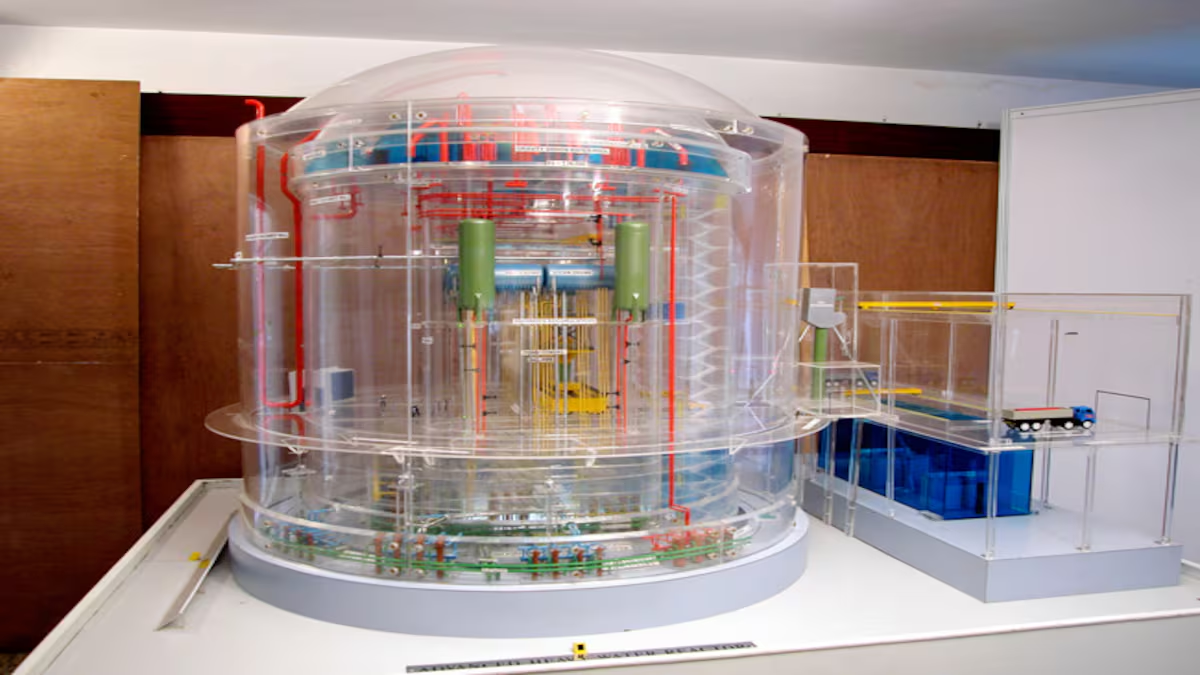
As we move into the first week of January 2026, the global conversation has shifted from renewable energy to reliable energy. For decades, the world has struggled with the intermittency of solar and wind power. While green energy is essential, it cannot provide the constant, heavy-duty baseload power required for a $7 trillion economy. Today, India is signaling a massive shift in its energy doctrine, the Nuclear Renaissance 2026.
The launch of the upgraded Prototype Fast Breeder Reactor (PFBR) at Kalpakkam and the strategic fast-tracking of Small Modular Reactors (SMRs) have positioned India at the center of the global nuclear stage. India is no longer just a participant in the nuclear club, it is rewriting the rules. With the world’s largest reserves of Thorium, New Delhi is finally moving toward the Holy Grail of energy independence.
This report analyzes the three-stage nuclear roadmap, the geopolitical impact of SMR technology, and how India is building a future where it is no longer dependent on foreign coal, oil, or uranium.
1. The Thorium Dream: Why 2026 is the Turning Point
India’s nuclear journey has always been unique. Unlike the United States or France, India does not have vast reserves of Uranium. What it does have, however, is nearly 25% of the world’s Thorium deposits, mostly found in the monazite sands of Kerala and Odisha.
The Three-Stage Strategy
To utilize Thorium, India designed a legendary three-stage program.
Stage 1: Using Uranium in Pressurized Heavy Water Reactors (PHWRs).
Stage 2: Using Plutonium from Stage 1 in Fast Breeder Reactors (FBRs).
Stage 3: Finally, using Thorium as the primary fuel.
As of January 2026, India has officially entered the transition phase into Stage 3. The PFBR at Kalpakkam is now operating at peak efficiency, creating more fuel than it consumes. This breakthrough is the single most important step in India’s quest for energy sovereignty. Once Stage 3 is fully operational, India will have enough energy to power the nation for over 250 years without importing a single gram of fuel.
2. The SMR Revolution: Small, Modular, and Strategic
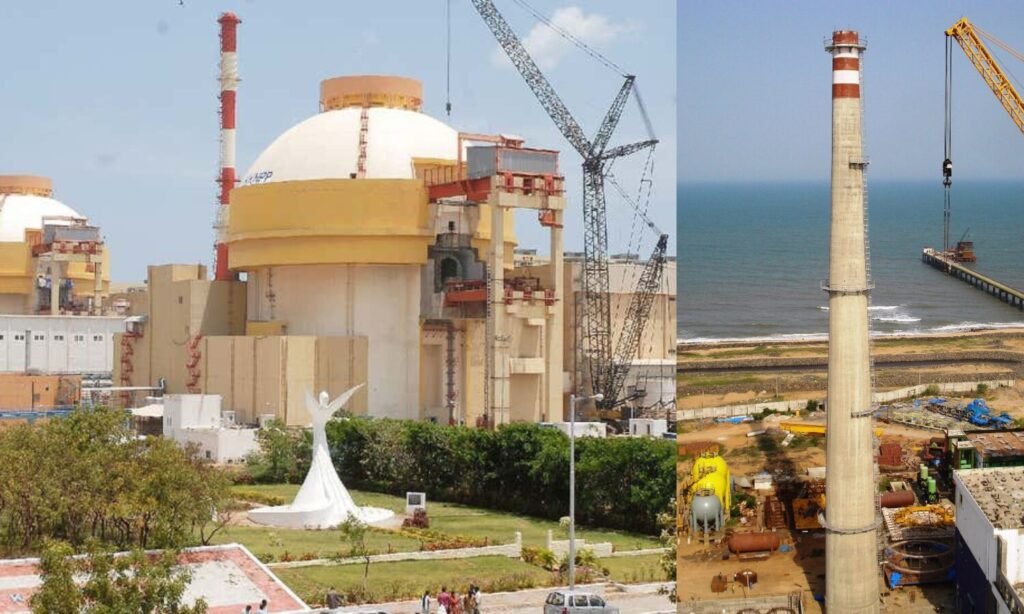
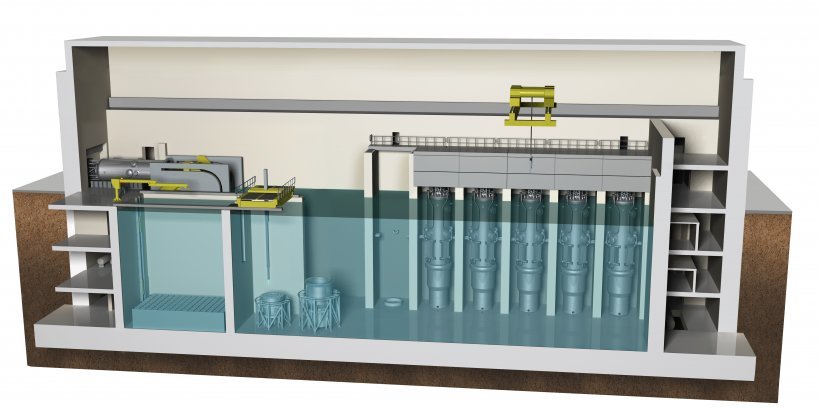
While massive nuclear plants like Jaitapur and Kudankulam remain the backbone of the grid, the most trending topic in 2026 is the Small Modular Reactor (SMR). These are reactors that produce between 50 MW to 300 MW of power, much smaller than traditional 1000 MW plants.
Why SMRs are a Game-Changer for 2026
Safety and Scale: SMRs are designed to be passively safe, meaning they can shut down without human intervention or power in case of an emergency.
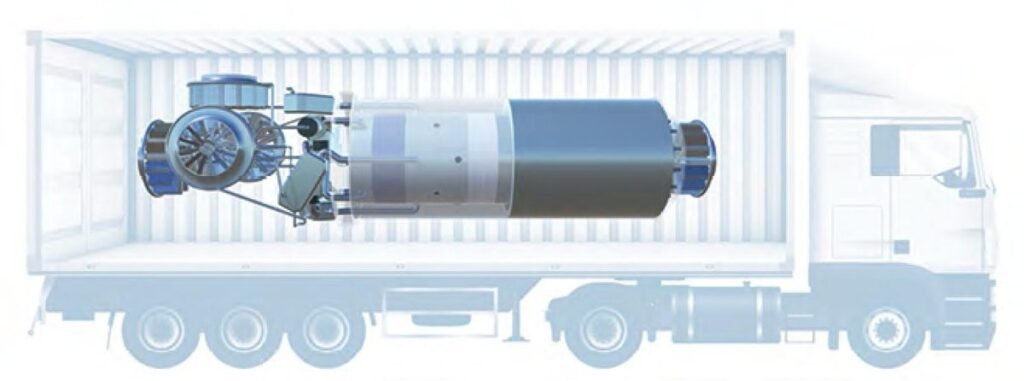
Factory Built: Unlike traditional plants that take 10 years to build on-site, SMRs are manufactured in factories and shipped to the location. This reduces construction time by 60%.
Industrial Integration: In early 2026, the Indian government allowed private players like Tata and Reliance to partner with the Nuclear Power Corporation of India (NPCIL) to build captive SMRs for their green hydrogen and steel plants. This massive shift in India’s nuclear policy is moving it from a state monopoly to a public-private partnership.
3. Geopolitics of Nuclear Power: Countering the China-Russia Axis
Nuclear energy is not just about electricity, it’s about high-stakes diplomacy. In 2026, Russia and China used Nuclear Exports to build influence in Africa and Southeast Asia.
India as a Trusted Partner
Under the iCET (Initiative on Critical and Emerging Technology) and the Civil Nuclear Cooperation with the US and France, India is positioning itself as a Trusted Nuclear Provider.
Global South Leadership: India is currently in talks with nations like Vietnam and Egypt to export its indigenous 220 MW PHWR and future SMR technology.
Ending the Chinese Monopoly: By offering a democratic and transparent nuclear supply chain, India is countering the Nuclear Silk Road of Beijing. This Nuclear Diplomacy is the new frontier of the Indo-Pacific strategy.
4. Strategic Applications: Powering the Frontier
One of the most classified aspects of India’s Nuclear Renaissance 2026 is its application in defense and remote infrastructure.
Powering the Himalayan Fortress
As part of the Frontier Highway India 2026 project, the Indian Army is exploring the deployment of Micro-SMRs (less than 10 MW) in high-altitude zones like Ladakh and Arunachal Pradesh.
Uninterrupted Power: These reactors can provide heat and electricity to remote military bases for 10 years without refuelling, ending the reliance on expensive and vulnerable diesel supply lines.
Island Security: The Great Nicobar Island Project is also slated to receive a dedicated nuclear power module to ensure its high-tech radars and transhipment port remain operational even during a global energy crisis.
5. Economic Impact: The Trillion-Dollar Opportunity
The transition to nuclear energy is a massive economic driver. By 2026, the Nuclear Ecosystem in India is expected to create over 500,000 high-skill jobs.
The Multiplier Effect
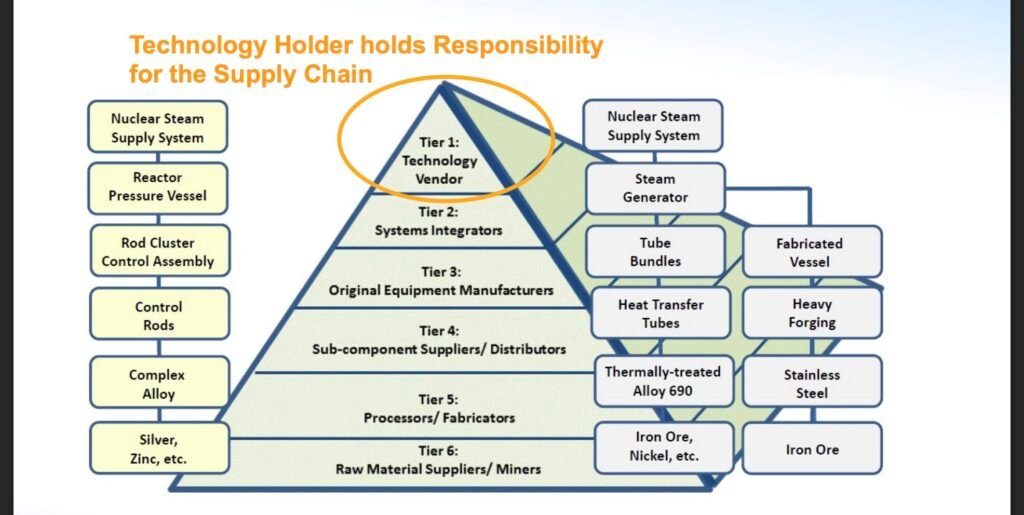
Supply Chain: From heavy forging to precision sensors, over 2,000 Indian MSMEs are now part of the nuclear supply chain.
Cost Predictability: Unlike coal or gas, the cost of nuclear power remains stable for decades. This allows Indian manufacturers to compete globally with lower energy costs.
Carbon Credits: By replacing ageing coal plants with SMRs, India is on track to become a global leader in carbon credits, attracting billions in green investment from the West.
6. Safety and Innovation: Learning from the Past
The shadow of Chernobyl and Fukushima always looms over nuclear discussions. However, the technology of 2026 is fundamentally different.
The Zero-Risk Architecture
India’s new-generation reactors use advanced Core Catchers and automatic cooling systems.
AI Monitoring: All reactors are now integrated with the Project Airavat Sovereign AI, which uses predictive algorithms to detect even the slightest pressure or temperature changes weeks before they become a problem.
Waste Management: India is a world leader in Closed Fuel Cycle technology. Instead of treating used fuel as waste, India reprocesses it to extract more energy, reducing the environmental footprint to almost zero.
7. The 2026 Roadmap: Milestones to Watch
Q1 2026: Official grid integration of the 500 MW PFBR at Kalpakkam.
Q2 2026: Finalisation of the US-India SMR manufacturing pact.
Q3 2026: Groundbreaking of the first private-sector SMR for a green hydrogen hub in Gujarat.
December 2026: Unveiling of the prototype ‘Bharat-SMR 100’ for global export.
8. Integration with the 2026 Strategic Matrix
Nuclear energy is the Baseload that powers all our previous intelligence reports:
The Silicon Link: The India Semiconductor Mission 2026 fabs require 24/7 stable power, which only nuclear energy can guarantee.
The Space Link: The Defence Space Agency (DSA) uses nuclear-powered radars for deep-space tracking.
The Bio-Shield: The Project Sanjeevani labs require constant cooling and power for high-stakes pathogen research.
Conclusion: The Sovereign Energy Shield
India’s Nuclear Renaissance 2026 is the final frontier in the nation’s quest for strategic autonomy. In a world where energy is used as a weapon, being dependent on foreign fuel is a national security risk. By mastering Thorium and leading the SMR revolution, India is not just securing its lights, it is securing its future.
The 21st century belongs to the nation that can generate the most energy with the least risk and the highest sovereignty. In 2026, that nation is India.
Recommended Reading: The Pillars of Sovereignty
To see how nuclear energy powers India’s 2026 roadmap, explore these intelligence reports:
Southern Anchor: The Great Nicobar Gamble 2026: Amit Shah’s Vision vs. The Ecological Revolt
Silicon Core: India Semiconductor Sovereignty 2026: The Micron & Tata Reality
Sky Shield: Project Kusha India Sky Shield 2026: The Indigenous Iron Dome
AI Power: Global AI Arms Race 2026: India’s ‘Airavat’ & Sovereign AI Strategy