By Wish | Defense Technology Analysis
The Eye in the Sky
India MQ-9B Drones are set to redefine the rules of engagement in South Asia. On a cool morning in Kabul, 2022, a missile struck a balcony, eliminating Al-Qaeda chief Ayman al-Zawahiri with zero collateral damage. The weapon used was the MQ-9 Reaper. Now, a more advanced version of this beast is coming to India.
The Cabinet Committee on Security (CCS) has cleared the mega deal to acquire 31 MQ-9B Predator Drones (Sea Guardian and Sky Guardian variants) from the United States. This is not just a purchase; it is a capability leap.
For decades, India relied on Israeli Heron drones for surveillance. But the MQ-9B is not just a watcher; it is a hunter. This analysis decodes how this high-altitude, long-endurance (HALE) platform will change the equation in the Himalayas and the Indian Ocean.
The Deal at a Glance
The $3.9 billion deal is one of the most significant defense agreements between New Delhi and Washington. It signifies that the US trusts India with its most sensitive technology—something it denied to partners like UAE and Turkey.
Deployment Breakdown:
| Service | Variant | Quantity | Role |
| Indian Navy | Sea Guardian | 15 | Anti-Submarine Warfare & Ocean Surveillance. |
| Indian Army | Sky Guardian | 8 | Precision Strikes & Border Patrol (LAC). |
| Indian Air Force | Sky Guardian | 8 | High-Altitude Reconnaissance & Targeting. |
1. What Makes the MQ-9B a “Predator”?
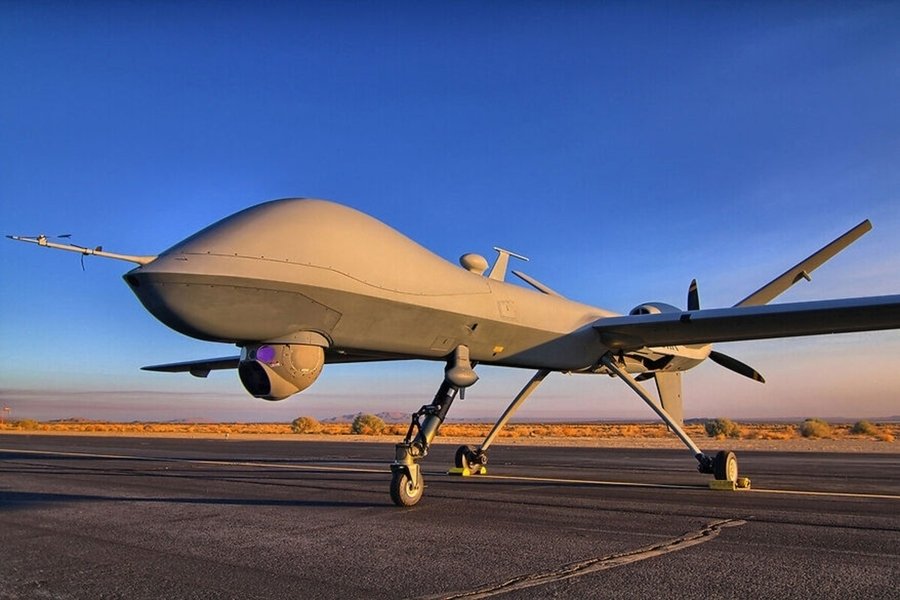
To understand why China and Pakistan are nervous, we must look at the specs. The MQ-9B is the “Gold Standard” of armed drones.
Endurance and Range
Most drones can fly for 24 hours. The MQ-9B can fly for 40+ hours non-stop.
The Advantage: A single drone can take off from Chennai, fly to the Malacca Strait, monitor Chinese ships for 10 hours, and fly back without refueling. This persistence is crucial for tracking submarines that surface only for minutes.
The Altitude Advantage
It flies at 50,000 feet, well above the range of most shoulder-fired anti-aircraft missiles (MANPADS) used by terrorists or border militia. It can see the enemy, but the enemy cannot hear or see it.
The Payload (The Claws)
Unlike the unarmed Herons currently used by the Army, the MQ-9B carries:
Hellfire Missiles: For precision strikes on tanks or bunkers.
Laser-Guided Bombs: For destroying larger infrastructure.
Anti-Submarine Sonobuoys: To detect enemy submarines underwater.
2. The Himalayan Mission: Watching Tibet
The standoff in Ladakh showed the limitations of human patrols. Soldiers cannot watch every peak, 24/7, in -40 degree temperatures. The India MQ-9B Drones can.
Stalking the PLA
With 8 Sky Guardians dedicated to the Army, India can maintain a permanent “Stare” over critical friction points like Galwan, Depsang, and Doklam.
Synthetic Aperture Radar: The drone’s radar can see through clouds, rain, and smoke. Even if the Chinese army tries to build infrastructure under the cover of bad weather (as they did in 2020), the MQ-9B will spot it in real-time.
Integration: The data from these drones will be fed directly to the artillery units and fighter jets (Rafale), creating a “Sensor-to-Shooter” link that reduces the time to strike.
3. The Indian Ocean Mission: Hunting Submarines
The Navy gets the lion’s share (15 drones) because the threat is largest at sea.
We previously analyzed how China is using the Coco Islands to spy on India. The MQ-9B is the counter-spy.
The Submarine Hunter
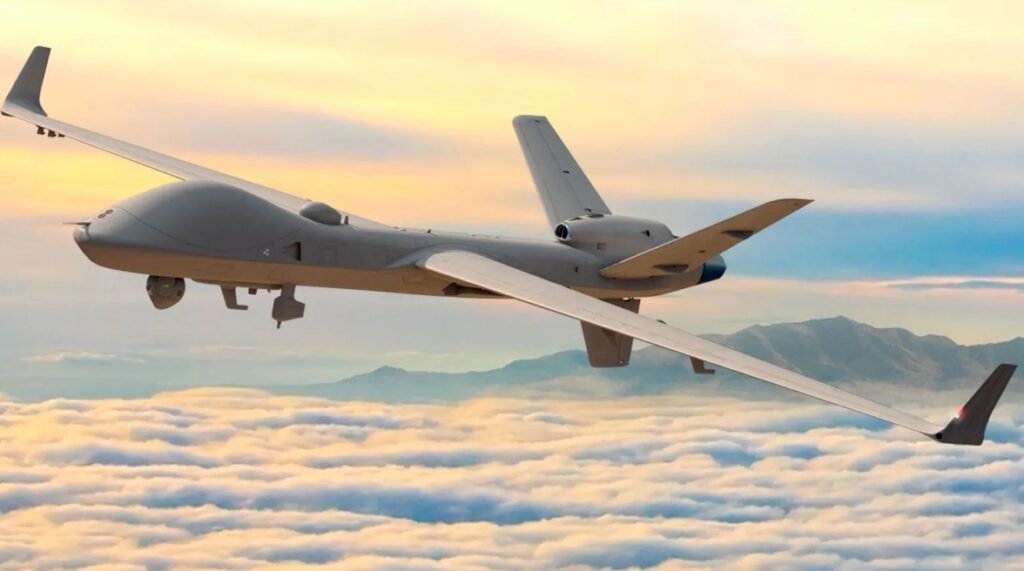
The Sea Guardian variant is equipped to carry and drop sonobuoys.
The Trap: When an Indian P-8I aircraft detects a suspicious sound, the Sea Guardian can be deployed to hover over the area, drop sensors, and confirm if it is a Chinese nuclear submarine.
Cost Effective: Flying a P-8I aircraft costs thousands of dollars per hour. Flying a drone costs a fraction of that. This allows the Navy to patrol the vast Indian Ocean Region (IOR) economically.
4. India vs. China: The Drone Gap
Critics argue that China is already a “Drone Superpower” with its Wing Loong and CH-4 drones. How does 31 American drones make a difference?
Quality vs. Quantity
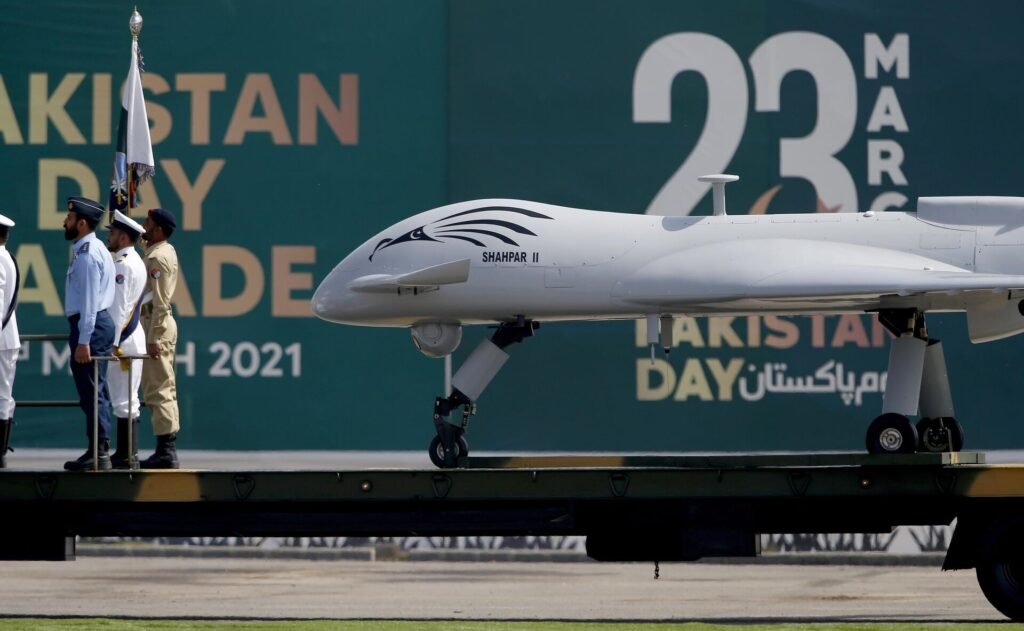
China produces thousands of cheap drones. Pakistan uses the Chinese Wing Loong II.
Reliability: Reports from the Middle East and Africa suggest that Chinese drones suffer from frequent crashes, poor satellite links, and weak engines.
The Tech Edge: The India MQ-9B Drones use encrypted NATO-grade satellite links, making them extremely hard to jam or hack. In an electronic warfare environment, the Predator survives where the Wing Loong fails.
However, India must be wary. 31 is a small number. These are high-value targets. Losing one would be a strategic blow, whereas China can afford to lose ten cheap drones.
5. The “Make in India” Angle
A crucial part of this deal is the establishment of a Global MRO (Maintenance, Repair, and Overhaul) facility in India.
Technology Transfer: While the US is not sharing the engine tech, the MRO facility means India will become a hub for repairing Predators from other countries.
Indigenous Boost: The experience gained from operating these high-end drones will directly benefit India’s own drone programs, specifically the Tapas BH-201 and the Ghatak Stealth UCAV.
Conclusion: The Silent Watchman
The acquisition of India MQ-9B Drones is not just about buying hardware; it is about buying “Situational Awareness.”
In modern warfare, the side that sees first, shoots first. Whether it is a terrorist launchpad across the Line of Control or a Chinese frigate entering the Malacca Strait, the Predator ensures that nothing moves in India’s backyard without New Delhi knowing about it.
The “Silent Predator” is now on the prowl, and the message to adversaries is clear: You can run, but you cannot hide.
What do you think?
Is spending $3.9 billion on 31 drones justified, or should India invest more in indigenous drones like Tapas? Let us know in the comments.
Read Next: [How these drones will operate alongside INS Jatayu to secure the Arabian Sea.]