By Wish | Analysis
The New Battlefield
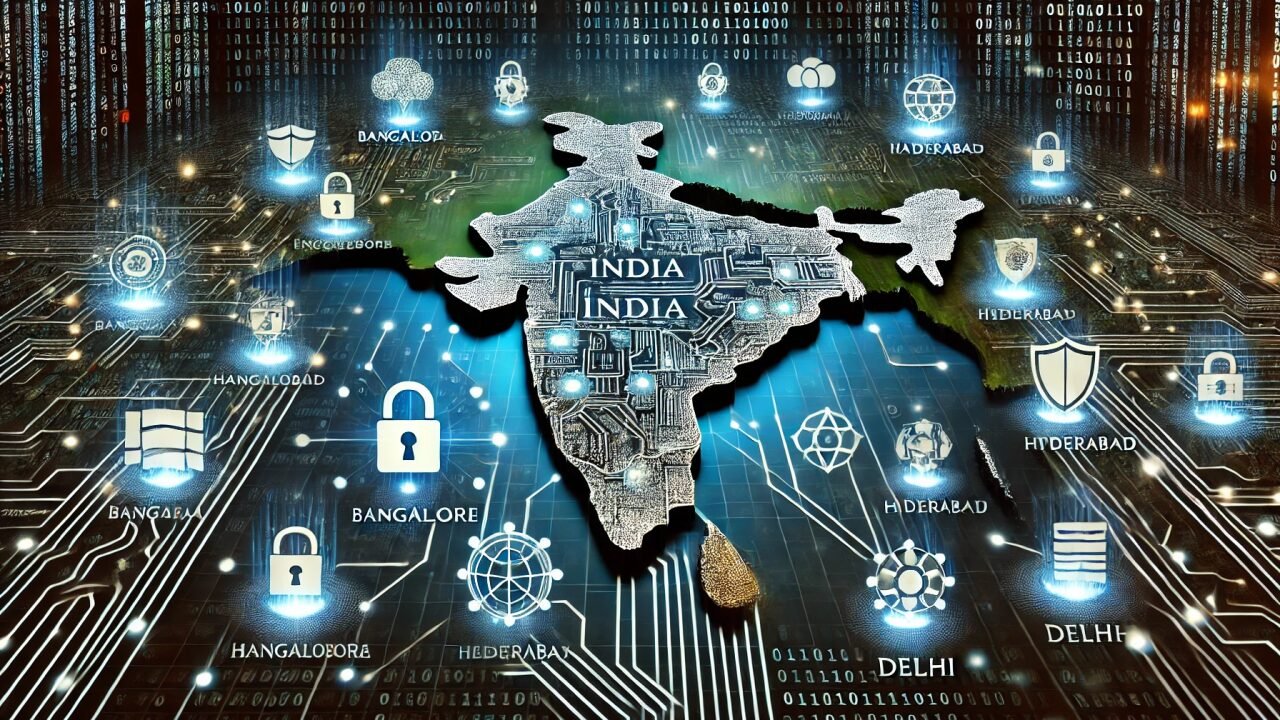
Strengthening India Cyber Defense is no longer optional; it is a survival imperative. Imagine waking up in Mumbai tomorrow morning. The lights won’t turn on. The local trains are dead on the tracks. Your UPI app says “Server Error,” and ATMs are blank. No missiles have been fired, no borders crossed. Yet, the country is paralyzed.
This isn’t a movie script. On October 12, 2020, while Indian soldiers stood eye-to-eye with the Chinese in Galwan, Mumbai actually went dark. It was a warning shot.
The next war won’t be fought for land; it will be fought for your data. Is India Cyber Defense ready for this challenge?
📋 The Executive Brief
(Why this matters in 30 seconds)
The Threat: China is moving from physical borders to “Grey Zone” digital warfare.
The Attacks: From the Mumbai blackout to the AIIMS ransomware hack.
The Shield: India has activated the Defense Cyber Agency (DCA) to strike back.
The Future: Banning Chinese hardware and building an indigenous “Cyber Firewall.”
1. The Invisible Enemy: Red Echo & Volt Typhoon
Intelligence reports don’t lie. The Mumbai blackout wasn’t a technical glitch; it was sabotage. A US-based study traced the malware back to a Chinese state-sponsored group called Red Echo. They used a sophisticated malware known as ShadowPad to infiltrate India’s Regional Load Despatch Centers (RLDCs).
But the threat to India Cyber Defense has evolved. Meet “Volt Typhoon.”
This isn’t your average hacker group. They use a technique called “Living off the Land.” They don’t break in; they log in using stolen credentials and sit silently inside critical servers (like railways or ports) for years, waiting for the command to strike. Their goal is not immediate destruction but long-term paralysis of communication networks during a conflict.
“Cyber warfare is like a nuclear weapon. You don’t use it to destroy; you use it to threaten.”
2. Target India: A Timeline of Major Attacks
To understand the scale of the threat, we must look at the data. These are not random hacking attempts; this is systematic probing of India Cyber Defense capabilities.
Year Target Suspected Group Impact 2020 Mumbai Power Grid Red Echo (China) City-wide blackout during border tension. 2021 Aadhaar Database Unknown Attempted breach of biometric data. 2022 AIIMS Delhi Ransomware Gang VVIP medical records compromised for weeks. 2024 Indian Navy Pakistani/Chinese Attempt to steal submarine communication codes. 3. India Strikes Back: The Defense Cyber Agency (DCA)
New Delhi realized that defensive firewalls are not enough. You need to punch back. Enter the Defense Cyber Agency (DCA).
This is the silent warrior of India Cyber Defense. A tri-service command (Army, Navy, Air Force) that does more than just protect passwords.
Offensive Capability: The DCA has the mandate to hack into enemy networks. If an enemy shuts down Delhi’s power, the DCA is trained to retaliate against their military communications.
Cyber Commandos: The government is training a specialized force of “Cyber Commandos” drawn from state police forces to protect critical information infrastructure (CII) like nuclear plants and banking servers.
4. The “Atmanirbhar” Firewall: Hardware Indigenization
Here is the hard truth: If you use Chinese hardware, you cannot have American-level security.
If your router is made in Shenzhen, your data likely has a backdoor to Beijing. A robust India Cyber Defense strategy requires 100% trusted hardware.
India’s strategy is now “Hardware Indigenization.”
Bharat OS (BharOS): Developing India’s own mobile operating system to reduce reliance on foreign tech (Android/iOS).
Maya OS: The Defense Ministry has already replaced Windows with the indigenous “Maya OS” in critical systems to prevent malware attacks.
The 5G Wall: By developing its own 5G stack (via IIT Madras and Tata), India ensures that the nervous system of its future economy is 100% Indian code.
5. The Quantum Leap: Preparing for Future Wars
The next frontier for India Cyber Defense is Quantum Computing. China is aggressively investing in Quantum tech to break current encryption standards. If they succeed, every password in the world becomes useless.
In response, India has launched the National Quantum Mission with a budget of ₹6,000 crore.
The Goal: To develop “Quantum Key Distribution” (QKD) technology. This ensures that Indian military communications become unhackable, even by the most powerful supercomputers in the world. Secure communications are the backbone of modern warfare.
Conclusion: The War Has Already Begun
You might not hear gunshots, but the war is on. Every time your bank app glitches or a government site goes down, it could be a probe by an adversary testing our reaction time.
India Cyber Defense has moved from being a “Soft Target” to a “Cyber Fortress.” The walls are going up, the code is being rewritten, and for the first time, India is ready to hit back.
What do you think?
Is banning Chinese apps enough to keep India safe, or should we be more aggressive? Let us know in the comments.
Read Next: [How the Siliguri Corridor is being protected from both physical and digital blockades.]