By Wish | Economic Strategy
The Modern Spice Route
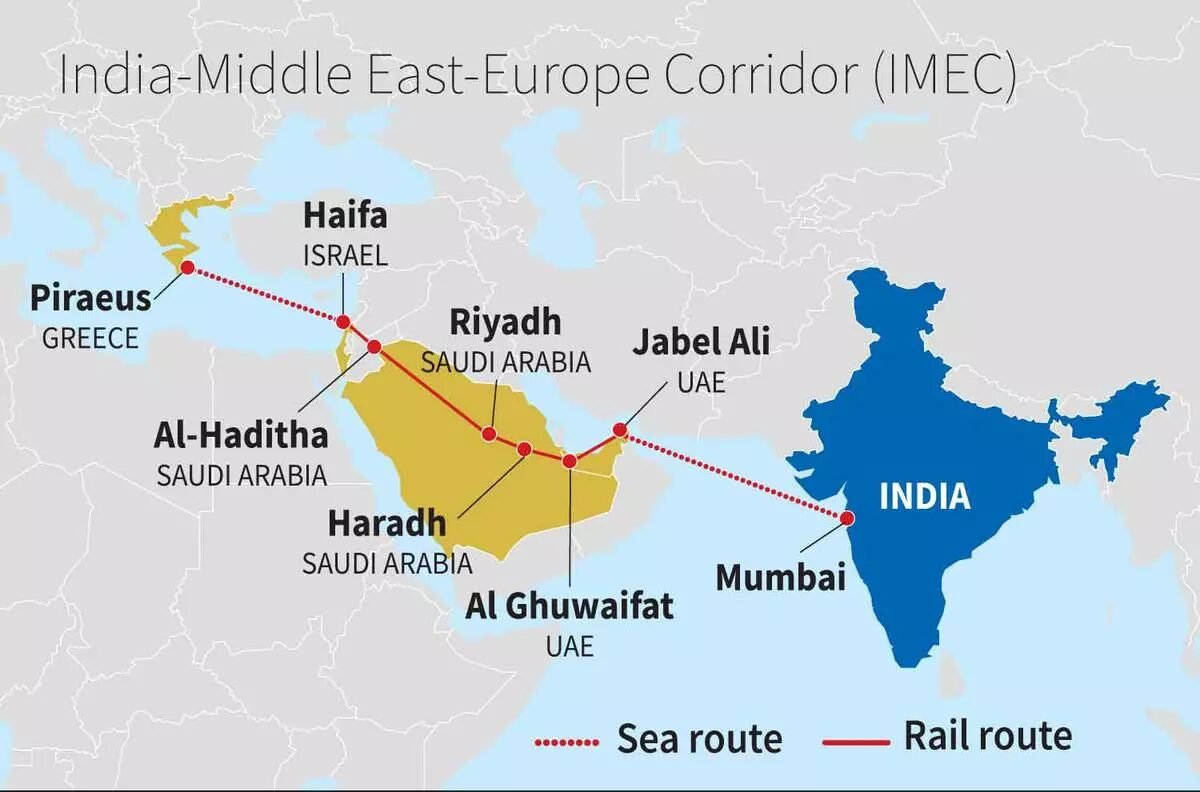
At the G20 Summit in New Delhi, a historic handshake changed the map of global trade. India, along with the US, Saudi Arabia, and the EU, announced the India-Middle East-Europe Economic Corridor (IMEC).
While the media called it a “Spice Route” reboot, for geopolitical analysts, it is the boldest answer yet to China’s Belt and Road Initiative (BRI). It represents a shift from “Debt Diplomacy” to “Trade Partnership.”
This analysis decodes the route, the economics, and the massive geopolitical hurdles (like the Gaza war) standing in its way.
The Executive Brief
(Why this matters in 30 seconds)
The Route: Connecting India to Europe via UAE, Saudi Arabia, Jordan, and Israel.
The Goal: Reducing trade time by 40% and bypassing the congested Suez Canal.
The Components: Shipping lanes, Railway networks, Hydrogen pipelines, and Digital cables.
The Rival: A direct democratic alternative to China’s opaque Belt and Road Initiative (BRI).
1. Deconstructing the Route: Two Corridors in One
The IMEC Corridor is not a single road; it is a multi-modal network consisting of two separate corridors:
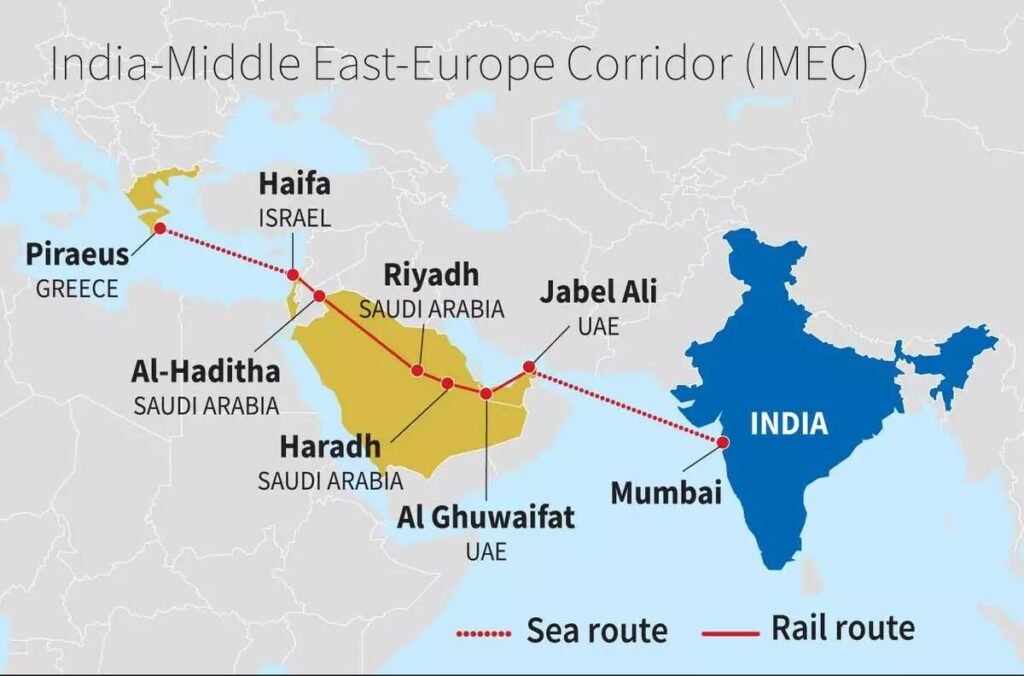
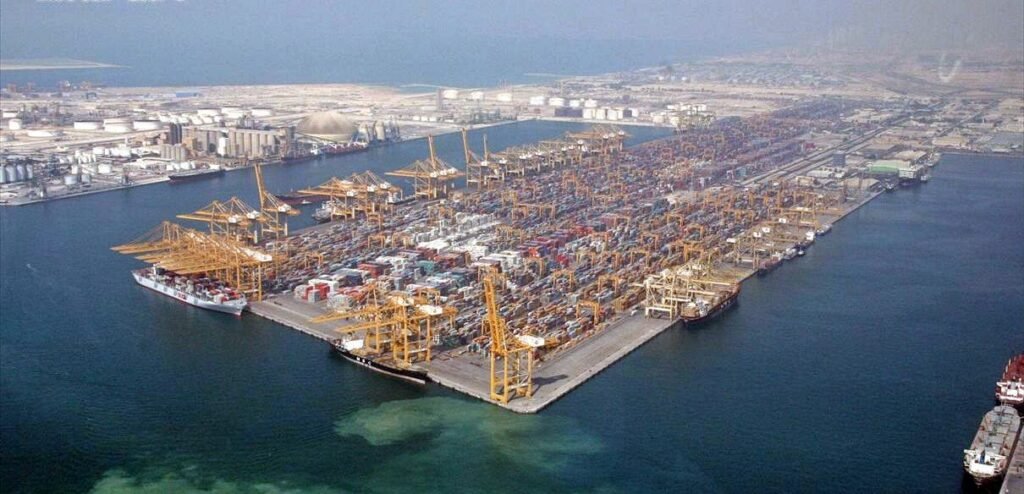
The East Corridor: Connecting India’s West Coast ports (Mundra, Kandla, JNPT) to the Arabian Gulf (Jebel Ali, UAE).
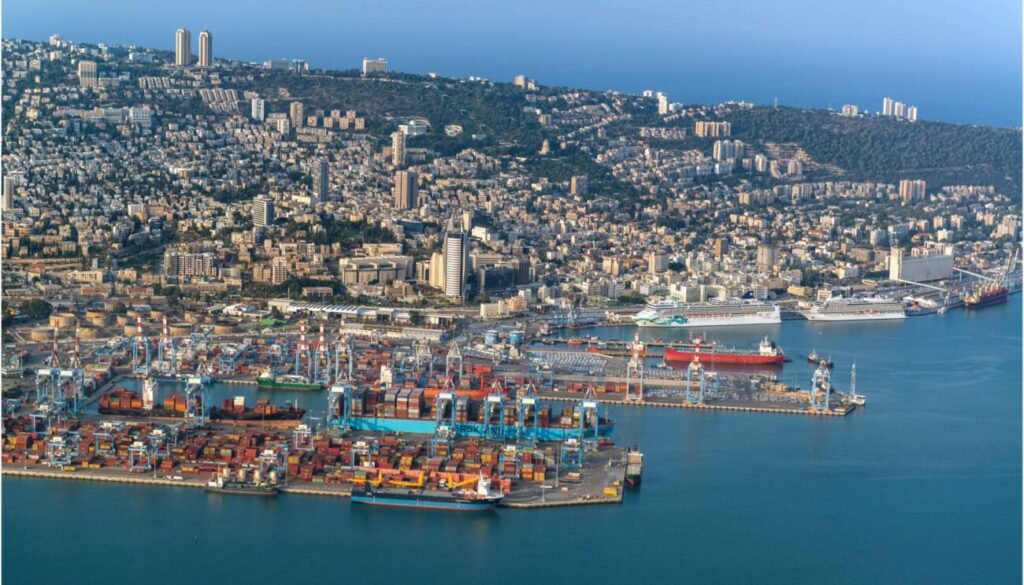
The Northern Corridor: Connecting the Arabian Gulf to Europe via a massive railway network through Saudi Arabia and Jordan, ending at the Haifa port in Israel, and then shipping to Europe (Greece/Italy).
The Speed Factor:
Currently, a ship from Mumbai to Hamburg via the Suez Canal takes weeks. With IMEC, goods will move from ship-to-rail-to-ship.
Time Savings: Estimated to reduce transit time by 40%.
Cost Savings: Lower fuel costs and insurance premiums compared to the volatile Red Sea route.
2. IMEC vs. China’s BRI: A Strategic Comparison
Why is the US backing this so heavily? Because it breaks China’s monopoly on global infrastructure.
| Feature | IMEC Corridor | China’s BRI |
| Funding Model | Partnership & Investment (G7 backed). | Loans & Debt (State backed). |
| Transparency | High (World Bank Standards). | Low (Secretive contracts). |
| Ownership | Host countries own the assets. | China often seizes assets (e.g., Hambantota). |
| Focus | Energy & Digital Connectivity. | Heavy Infrastructure (Ports/Roads). |
3. More Than Just Trade: The Green Energy Angle
The IMEC Corridor is future-proof. It is not just transporting containers; it is transporting energy.
Hydrogen Pipelines: The plan includes laying pipes to transport Green Hydrogen produced in the Middle East to power-hungry Europe.
Undersea Cables: High-speed digital cables will run along the tracks, integrating India’s digital economy (UPI/Stack) with the Gulf and Europe.
4. The Roadblocks: The Gaza Factor
However, geopolitics is never a straight line. The ongoing conflict in Israel and Gaza has put a temporary question mark on the “Northern Corridor.”
The Missing Link: The rail link relies on diplomatic normalization between Saudi Arabia and Israel. The war has paused these talks.
India’s Stance: India remains committed to the long-term vision. New Delhi argues that economic logic will eventually outweigh political conflict. The port of Haifa (operated by India’s Adani Group) remains ready to serve as the gateway to Europe once the dust settles.
Conclusion: A Game of Patience
The IMEC Corridor is ambitious. It is complex. It faces war zones and deserts. But if successful, it will reintegrate the Indian economy with the Middle East and Europe, shifting the center of global trade back to the Indo-Pacific.
For investors and policymakers, this is not a 1-year project; it is a 10-year transformation. The “Spice Route” is back, but this time, it carries silicon chips and green hydrogen.
Read Next: [How the Chennai-Vladivostok Corridor secures India’s trade on the Eastern Front.]