Shocking Report: How China Used India-Pakistan Clash to Test Secret Weapons
China used India-Pakistan clash in May 2025 not just to support an ally, but as a live laboratory for its war machine. While the world focused on the border skirmishes along the Line of Control (LoC), Beijing was silently collecting data that could define the next great war in Asia.
A startling new report by the U.S.-China Economic and Security Review Commission has revealed that the People’s Liberation Army (PLA) opportunistically utilized the conflict to “combat-test” its advanced export-grade weaponry against Indian defenses.
The Core Revelation
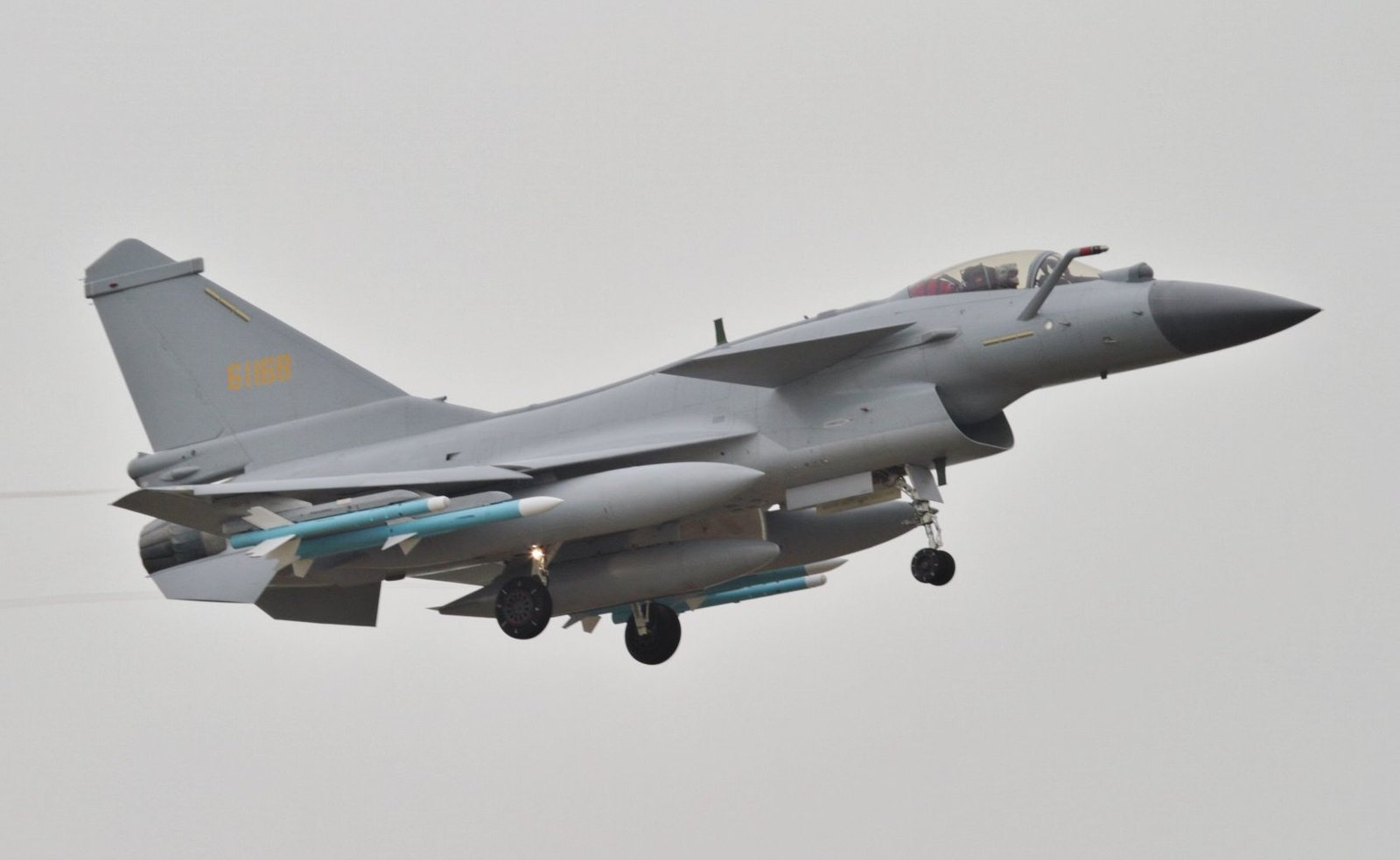
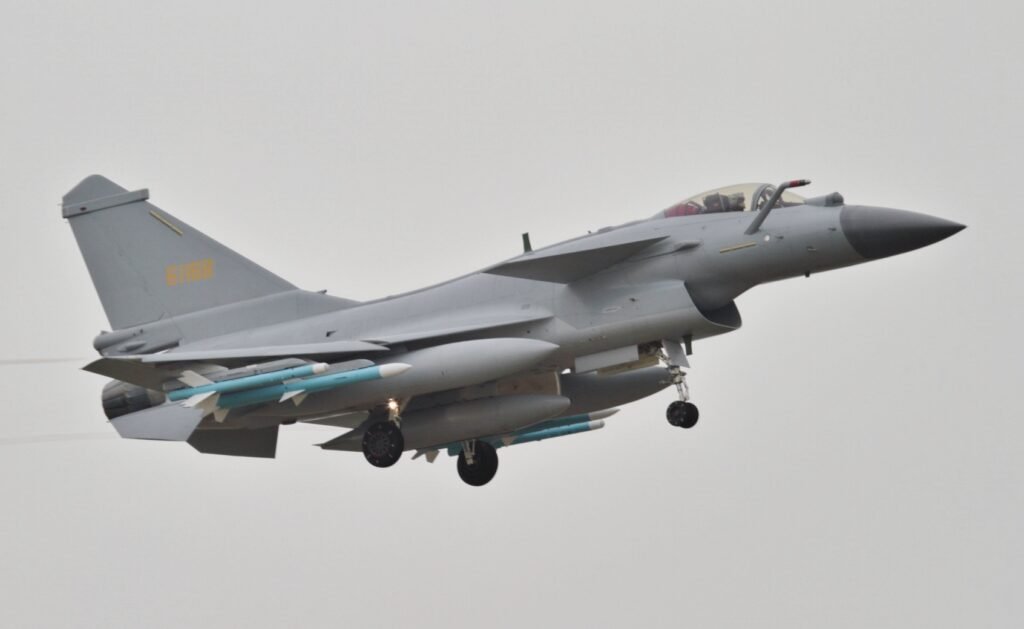
According to the findings, the Pakistan Air Force (PAF) actively deployed Chinese-made J-10C Fighter Jets and the HQ-9 Long-Range Air Defense Systems against Indian assets. This goes beyond standard military cooperation. It suggests that China used India-Pakistan clash to benchmark its technology against Western and Russian-origin systems used by the Indian Air Force (IAF), such as the Rafale and S-400.
Technical Deep Dive: What Did China Test?
Defense analysts indicate that Beijing had specific technical goals during this conflict.
1. The J-10C “Vigorous Dragon” vs. Rafale The J-10C is China’s premier single-engine fighter. By flying combat air patrols (CAP) near the border, Chinese technicians likely monitored how quickly Indian radars picked up the J-10C’s signature. This data is crucial for China to improve its stealth capabilities.
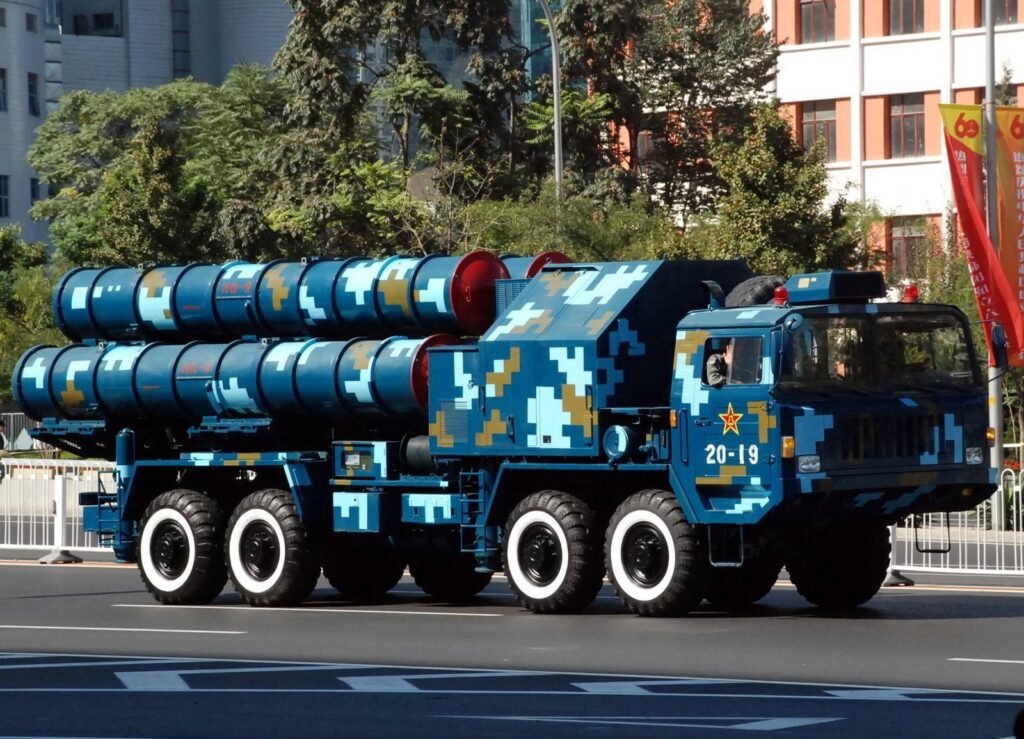
2. Cracking the Electronic Code The most alarming aspect is the deployment of the HQ-9 Air Defense System. Pakistan stationed these units close to the border not just for protection, but to “paint” Indian jets with radar waves. This allows China to build a library of “electronic signatures” of India’s Su-30 MKIs.
The Electronic Espionage: The HQ-9 Trap
While the jets fought in the sky, a silent war was raging on the electromagnetic spectrum. The report details how China used India-Pakistan clash to deploy the HQ-9 Air Defense System (a Chinese clone of the Russian S-300) near the border.
Usually, air defense radars are kept in “silent mode” to avoid detection. However, the Pakistani-operated HQ-9 units kept their search radars active for extended periods.
Why? To bait Indian fighter jets into turning on their jamming pods.
The Danger: Once an Indian jet uses its electronic countermeasures (ECM) to jam a radar, it reveals its specific “Electronic Signature.”
The Consequence: By collecting these signatures, China can now program its missiles to ignore Indian jamming in a future conflict. This is akin to stealing the password to India’s aerial firewall.
Implications for the United States & The West
This report has set off alarm bells in Washington. The US-China Economic and Security Review Commission notes that the interoperability between Chinese and Pakistani forces has reached a “NATO-level” standard.
This means the hardware is no longer just “compatible”; it is “integrated.” A Chinese general in Beijing could theoretically view the radar feed from a Pakistani unit in Kashmir in real-time. For the US and India, this complicates the Indo-Pacific strategy. It implies that any conflict with Pakistan effectively involves Chinese military intelligence.
The “Two-Front War” is No Longer a Theory
For decades, Indian generals have planned for a “Two-Front War”—fighting Pakistan on the West and China on the North simultaneously. The events of May 2025 prove that the two fronts have merged into one single “Technological Front.”
If China used India-Pakistan clash to test its weapons, it confirms that Pakistan is functioning as a forward operating base for the People’s Liberation Army (PLA). The weapons India faces on its western border are now identical to the ones it faces on the northern border, controlled by the same strategic masterminds.
India’s Strategic Counter-Move
New Delhi is acutely aware of this “data theft.” Sources within the defense establishment suggest that the IAF has already begun a massive “Frequency Hopping” exercise—recalibrating the radar frequencies of its frontline assets to render the stolen Chinese data useless.
Furthermore, this incident has validated India’s push for Atmanirbhar Bharat (Self-Reliant India) in defense.
Indigenous Tech: Reliance on foreign tech (like S-400 or Rafale) means the enemy knows the specs because they might have bought similar tech or stolen the blueprints. Indigenous tech like the Tejas Mk2 and AMCA (Advanced Medium Combat Aircraft) remains a “black box” to the enemy.
Maritime Pivot: Realizing the land borders are becoming a tech-trap, India is shifting focus to the seas, where it holds a geographical advantage.
Related Strategy: While the land borders heat up, India is fortifying the oceans. [Read our analysis on INS Jatayu and India’s maritime stronghold.]
Conclusion
The May 2025 conflict should not be remembered just as a regional skirmish. It was a technological dress rehearsal for a larger conflict. The evidence that China used India-Pakistan clash to refine its war machine is a wake-up call for the global order.
As the boundaries between the Western and Northern fronts blur, India must prepare for a new kind of war—one where the enemy fights not just with bullets, but with shared data, algorithms, and borrowed wings.