Quick Summary:
The Shift: India moves from a “Net Security Provider” to a “Weapon Exporter.”
The Weapon: Why the BrahMos is virtually impossible to stop.
The Strategy: Creating a “Reverse String of Pearls” around China.
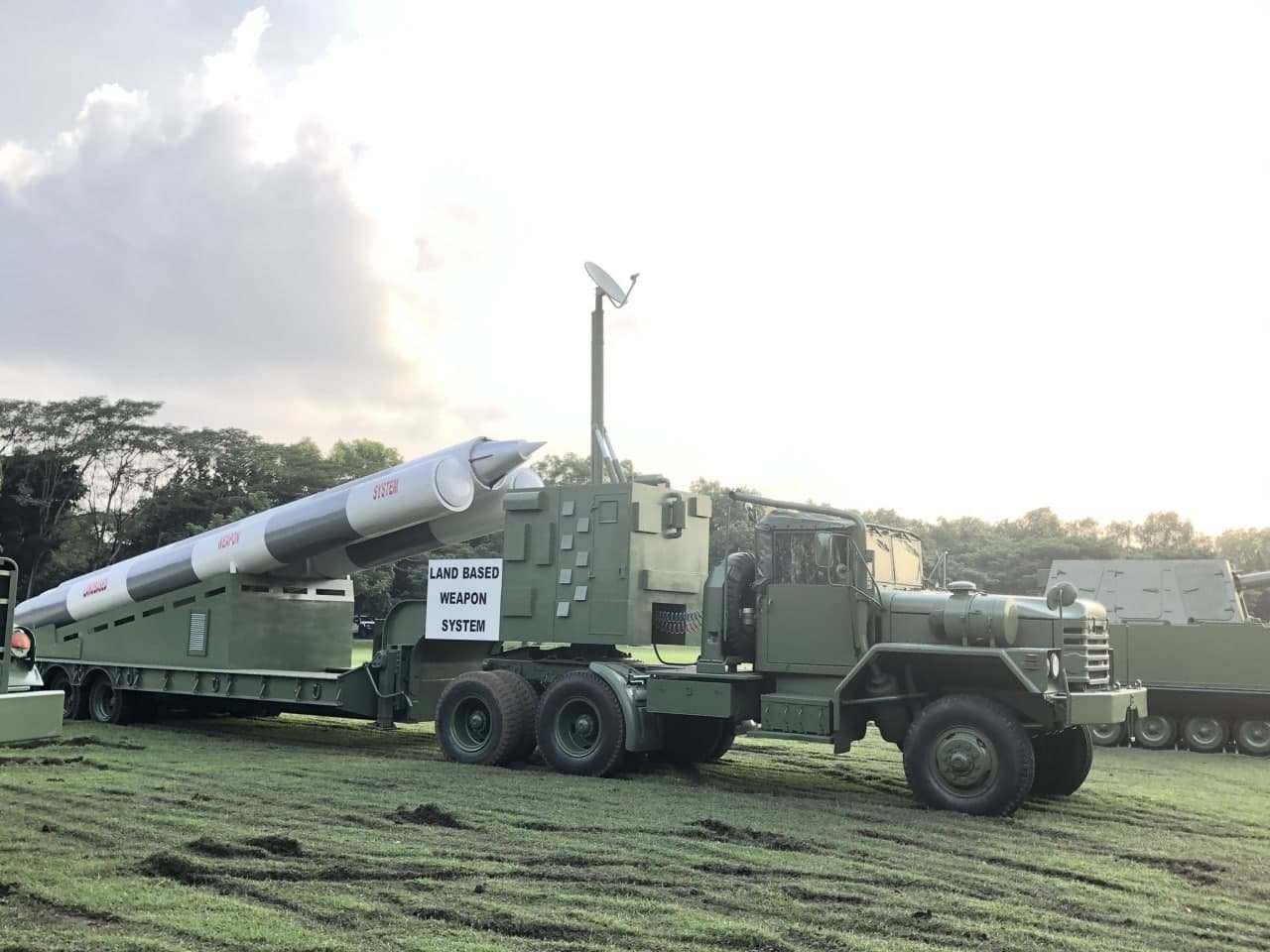
The BrahMos Missile export to the Philippines marks the beginning of a new era in Asian geopolitics. For decades, the narrative was simple: China encircles India with its “String of Pearls.” But in late 2025, New Delhi flipped the script.
With the operational delivery of the shore-based anti-ship BrahMos Missile system to Manila, India has entered the South China Sea—not with warships, but with a weapon system often called the “Dragon Slayer.”
The Deal That Angered Beijing
The $375 million deal to supply three batteries of the BrahMos Missile to the Philippines is India’s largest-ever defense export contract.
Strategic Location: The missiles are deployed by the Philippine Marine Corps on coastal islands facing the disputed West Philippine Sea.
The Target: This deployment directly challenges China’s illegal Nine-Dash Line claim. For the first time, a Southeast Asian nation has the capability to sink Chinese destroyers from its own coastline.
Why the BrahMos Missile is Unstoppable
Why does the People’s Liberation Army Navy (PLAN) fear this specific weapon? The BrahMos Missile (a joint venture between India’s DRDO and Russia’s NPO Mashinostroyenia) is widely regarded as the world’s fastest supersonic cruise missile.
1. Speed Kills (Mach 2.8) Most anti-ship missiles fly at subsonic speeds. The BrahMos flies at Mach 2.8—almost three times the speed of sound. If launched, a Chinese warship would have less than 30 seconds to react.
2. Sea-Skimming Capability The missile flies just meters above the water surface. This hides it from enemy radar until the missile is just kilometers away.
3. Kinetic Energy Even without a warhead, the sheer speed of the BrahMos Missile generates enough kinetic energy to cut a frigate in half.
The “Reverse String of Pearls” Strategy
Geopolitical analysts call this India’s “Diamond Necklace” strategy.
Vietnam Next? Hanoi has shown deep interest in acquiring the BrahMos Missile. If Vietnam acquires it, the South China Sea becomes a “Kill Zone” for the Chinese Navy.
Indonesia: Jakarta is also in advanced talks for the naval version.
Economic Impact: Make in India
This success proves that Indian hardware is combat-ready. It opens the door for other indigenous weapons like the Tejas Mk2 to enter the global market. The government’s target of ₹35,000 crore in defense exports now looks achievable.
Conclusion
The delivery of the BrahMos Missile sends a clear signal to Beijing. India is no longer just watching from the sidelines; it is actively arming the resistance. The hunter has become the hunted.
Related Analysis: [Read how the Tejas Mk2 and Gaganyaan mission are shaping India’s Vision 2030.]