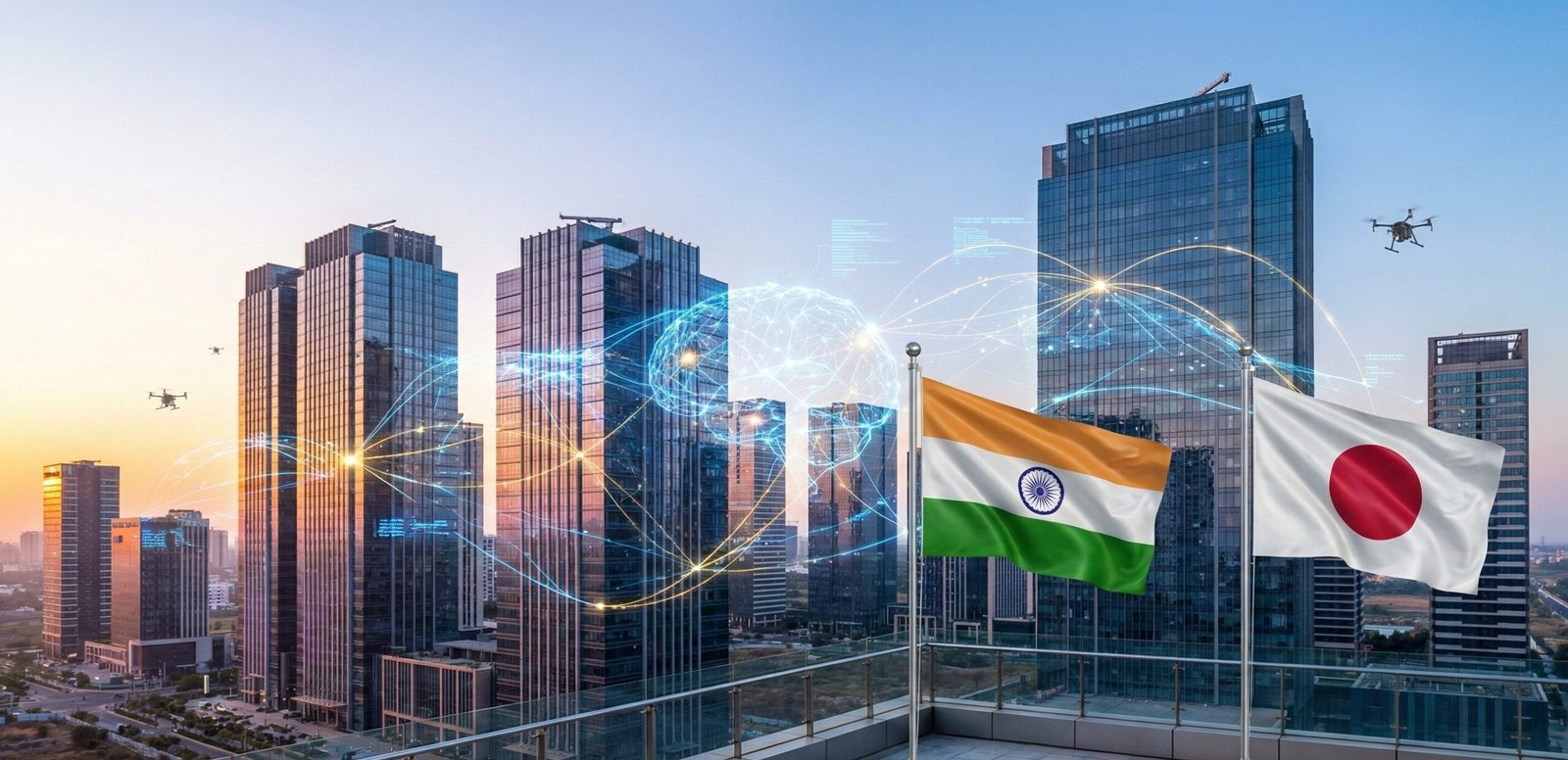
Japan-India AI Partnership 2026
Strategic Intelligence Report | By Wish, Geopolitical Analyst
The Intelligence Brief:
As of January 2026, the global technology landscape is no longer just about who builds the fastest chip, it is about where that chip is hosted. While the world’s attention is gripped by the US-EU Greenland Tariff War and India’s bold Counter-Tariff stance against Western protectionism, a much deeper and more permanent shift is occurring in the Indo-Pacific.
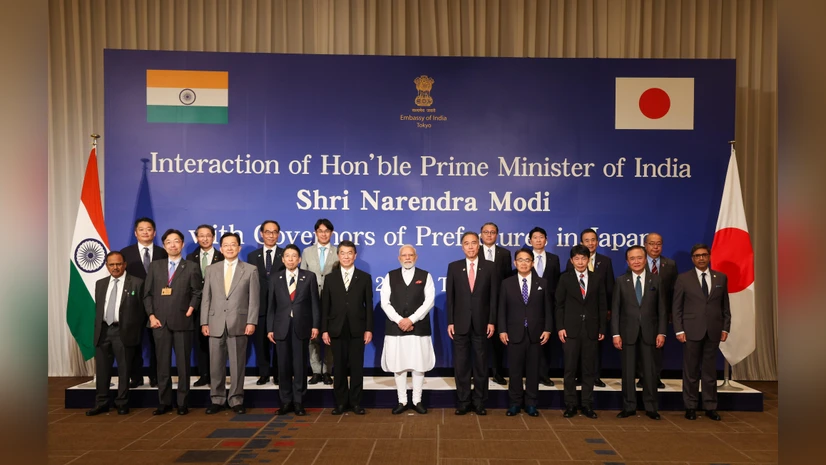
Japan, the world’s fourth-largest economy and a traditional hardware giant, has made a decisive move. Reports following the visit of Japanese Foreign Minister Toshimitsu Motegi to New Delhi (Jan 15-17) confirm that the Japan-India AI Dialogue has officially graduated from a diplomatic talk-shop into a multi-billion dollar infrastructure project. Japan has chosen GIFT City, Gandhinagar, as its primary Global AI-Computing Hub, effectively shifting its sovereign data and research dependencies away from the volatile coasts of East Asia.
1. The Geopolitical Catalyst: Why Japan is Fleeing the China-US Crossfire
Japan’s decision to bet on GIFT City is not merely an economic choice, it is an act of survival. In early 2026, the risks of a kinetic conflict in the Taiwan Strait and the escalating US-EU trade hostilities have made Tokyo realize that its digital future is dangerously exposed.
The Energy Factor: AI data centers are energy vampires. Japan, with its limited land and expensive energy, cannot sustain the massive computing clusters required for Society 5.0. India, with its Green Hydrogen Mission, offers the cheap, renewable energy that Tokyo craves.
Strategic De-risking: For decades, Japanese tech was intertwined with Chinese supply chains. However, Trump’s latest 25% tariff threat on allies and China’s tightening grip on rare earth exports have forced Japan to seek a Neutral Sanctuary.
- The Mother of All Deals Context: While India prepares to sign the mega-trade pact with the EU on January 27, Japan is securing its own Special Track to ensure that the Rising Sun continues to shine via the Indian Tiger.
2. SoftBank’s $15 Billion Vision 3 Return: The Masayoshi Son Masterstroke
The real fuel is the return of SoftBank. After a two-year hiatus from new Indian deals, Masayoshi Son’s Vision Fund 3 has officially committed $15 Billion specifically for the GIFT City AI Cluster.
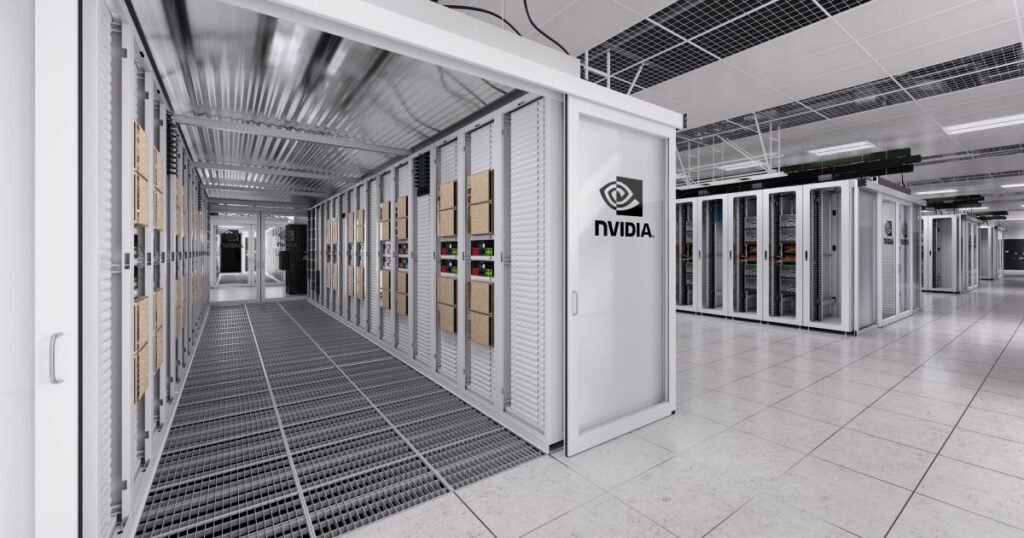
Nvidia Blackwell-II Clusters: This investment is not for startups but for infrastructure. SoftBank is funding the deployment of hundreds of thousands of Nvidia H200 and Blackwell-II GPUs within GIFT City’s special economic zone.
Sovereign Cloud vs. Big Tech: Unlike AWS or Microsoft Azure, which are subject to US Cloud Act regulations, the Japan-India AI Hub is being built as a Sovereign Cloud. This means the data generated here, whether it’s Japanese healthcare data or Indian defense simulations, cannot be accessed or switched off by any third-party government.
Economic Security: GIFT City has become the only place where a Japanese company can settle high-tech transactions in Digital Rupees, bypassing the tariff-heavy US Dollar systems.
3. Technical Specs: The Infrastructure of the Gandhinagar Hub
To understand this, we must look at the sheer technical scale of what is being built in Gujarat.
Liquid Cooling & Green Power: The hub will use Direct-to-Chip liquid cooling systems, powered entirely by a dedicated 2GW solar-wind hybrid farm in Kutch. This makes it the world’s first Net-Zero AI-Compute cluster.
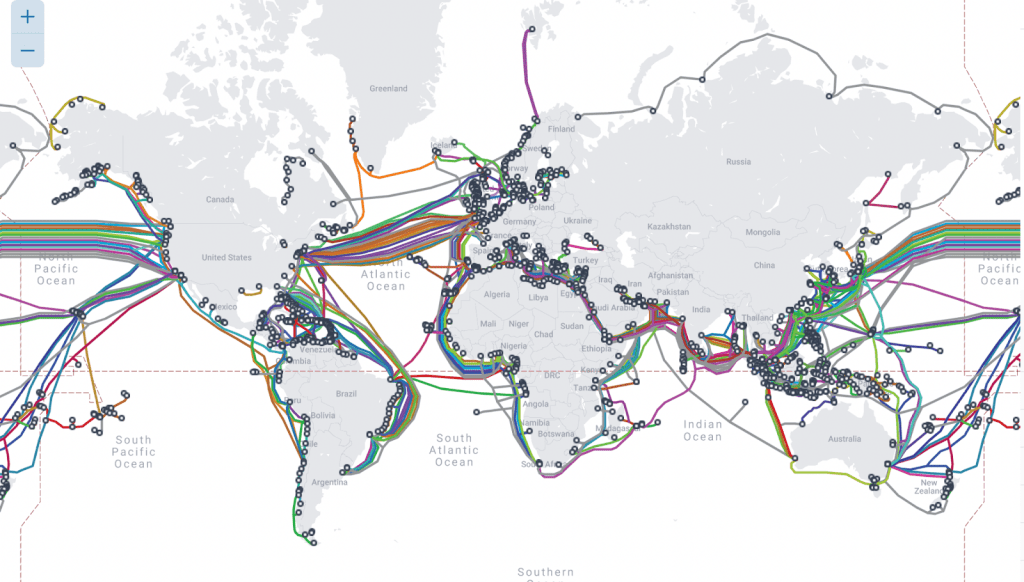
Latency Breakthroughs: A new dedicated undersea fiber-optic cable, the Indo-Japan Express (IJX), is being fast-tracked to connect Mumbai and Tokyo directly, bringing latency down to sub-50 milliseconds, critical for real-time AI industrial robotics.
4. Comparison Table: Why GIFT City Wins Over Singapore and Taiwan?
| Feature | Taiwan (Foundry Center) | Singapore (Traditional Hub) | GIFT City (India) |
| Energy Stability | Low (Vulnerable to Blockade) | High (But very expensive) | Very High (Indigenous Green Power) |
| Geopolitical Neutrality | Low (China/US Tensions) | Moderate | High (Strategic Autonomy) |
| Financial Cost | High | Extreme | Optimized (Special Economic Zone) |
| Tech Talent Pool | Saturated | Limited (Expats) | Unlimited (Internal Scale) |
| Tariff Shield | Vulnerable to US/EU Tariffs | Moderate | Tariff-Proof (Jan 27 ‘Mother Deal’ Status) |
5. Defense Integration: AI Swarms and the Project 75I Connection
India is building advanced submarines. But a submarine in 2026 is only as good as its AI.
Joint Underwater AI: The Japan-India AI hub will host a secret laboratory for Underwater Autonomous Navigation. This AI will be integrated into the German Type-214 and French Scorpene-E submarines that India is procuring.
The Drone Swarm Command: GIFT City will act as the Brain for the Quad’s drone swarms that will monitor the Arctic Trade Routes and the Indian Ocean. By hosting Japan’s military AI, India is effectively making Tokyo a Stakeholder in its own national security.
6. The Forecast: Q4 2026 – The Rise of J-I-AI
Our futuristic research points to a major announcement in late 2026.
The Prediction: By October 2026, Japan and India will launch the first Joint-Intelligence AI (J-I-AI) model, a Large Language Model (LLM) designed specifically for Indo-Pacific languages and industrial standards.
The Shift: We forecast that by 2027, over 30% of Japan’s manufacturing AI will be Compute-Executed from GIFT City, making the Tokyo-Gandhinagar axis the strongest tech-corridor in history.
Conclusion: Beyond the Trade War
As the world burns in a fire of tariffs and protectionism in January 2026, India and Japan have found an island of stability. The Rising Sun in GIFT City is proof that Strategic Autonomy is not just a slogan, it is an infrastructure.
By combining Japanese capital with Indian scale and sovereignty, these two nations are ensuring that the AI revolution is not colonised by any single power.
Recommended Reading: The Strategic Chain
- The Financial Fortress: The Grand Decoupling: Is India Using the ‘Digital Rupee’ for High-Tech Sovereignty?
- The Silicon Shield: Why India is Building a ‘Silicon Shield’ Between Washington and Berlin
- The Triple Axis: Why is France Challenging the German-US Grip on India? The Rise of the Triple-Axis
- The Submarine Deal: India-Germany Defense Deal 2026: The $8 Billion Submarine Roadmap