Why is India Building a Silicon Shield?
India’s Semiconductor Diplomacy 2026
Strategic Intelligence Report | By Wish, Geopolitical Analyst
The Intelligence Brief: January 15, 2026
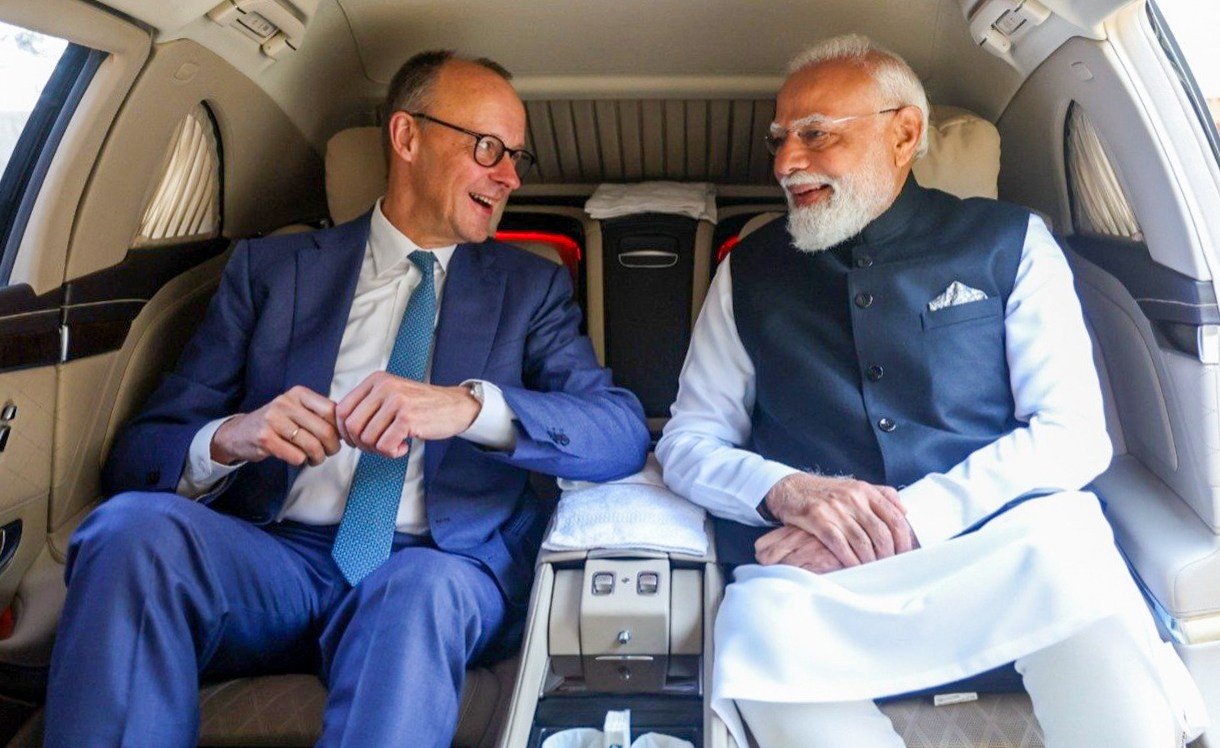
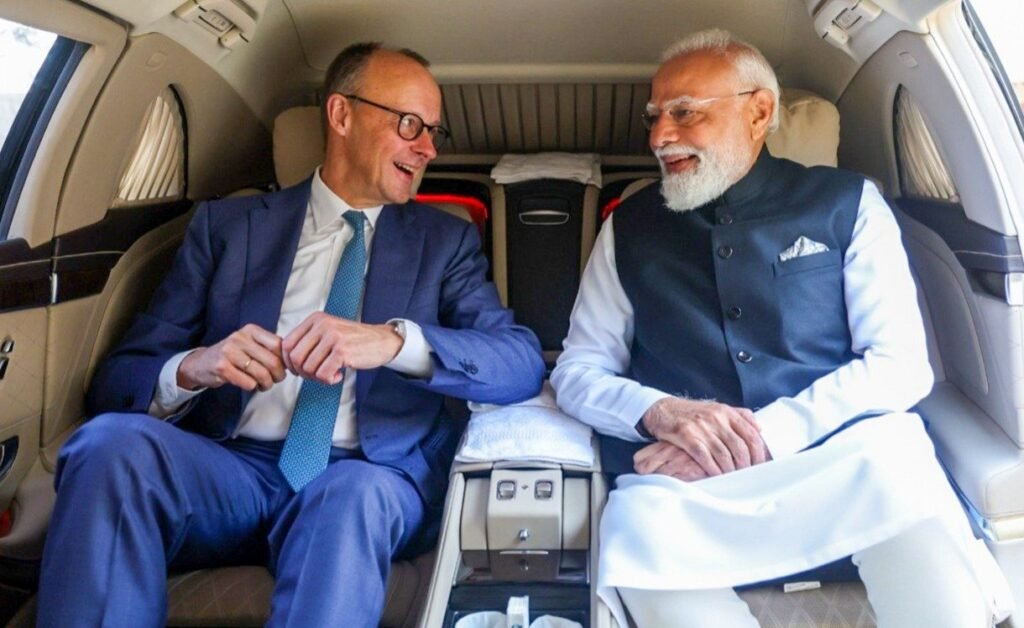
As the winter sun sets over New Delhi today, January 15, 2026, the departure of German Chancellor Friedrich Merz marks more than just the end of a diplomatic visit. It marks the activation of India’s Silicon Shield. In the high-stakes world of 2026, geopolitical power is no longer measured solely by the number of nuclear warheads or the size of a standing army. Instead, it is measured in nanometers, the architecture of the semiconductors that power everything from AI-driven missiles to the digital economy.
The last 72 hours have seen a breathtaking display of Multi-Alignment. While US Ambassador Sergio Gor officially extended an invitation for India to enter the elite Pax Silica framework, India was simultaneously securing a no-strings-attached industrial partnership with Germany.
Why is India doing this? Because New Delhi has realized that in the coming decade, technological dependence is the new form of colonialism. This report decodes how India is weaving a protective web around its tech future, playing the giants of Washington and Berlin against each other to ensure that the brains of the 21st century remain firmly under Indian control.
[Jan 16, 2026 Update]: The Silicon Shield is being integrated with French Strategic Sovereignty. India is ensuring that its AI-driven hardware remains immune to foreign software overrides by using French source-code sharing. [The Triple-Axis Strategy].
1. Pax Silica: Why did Sergio Gor Invite India to the Inner Circle?
The arrival of Sergio Gor in New Delhi on January 12 was a calculated move by the Trump 2.0 administration. His promotion of the Pax Silica (Silicon Peace) initiative is an attempt to consolidate the world’s most critical semiconductor supply chains under a Trusted Ecosystem led by Washington.
The US Carrot: The offer on the table is massive. Washington is ready to facilitate a $100 Billion technology transfer, allowing Indian firms access to NVIDIA’s next-generation Blackwell AI architecture and advanced fabrication tools that were previously restricted.
The Hidden Golden Cage: However, Pax Silica comes with a Silicon Ultimatum. Washington demands strict export controls. Any technology shared with India must not reach adversarial nodes, a direct reference to India’s continuing (though declining) hardware ties with Russia.
The Indian Pushback: National Security Advisor (NSA) level talks have revealed that India is wary of End-Use Monitoring. India refuses to allow US inspectors into its secret defense labs in exchange for chips. This friction is exactly why India needed a Plan B, and that plan is Germany.
2. The German Alternative: Can Berlin Replace Silicon Valley’s Industrial Might?
If Washington provides the Software and AI Brains, Germany provides the Mechanical Heart and Industrial Tools. During the Merz-Modi summit (Jan 12-13), Germany officially granted India the status of a High-Technology Partner.
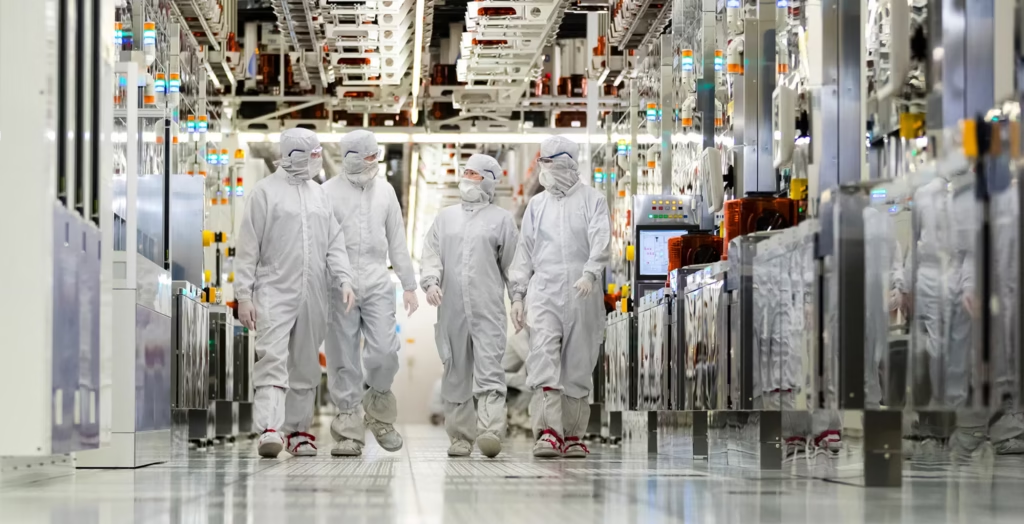
Beyond Submarines: While the mainstream media focused on the $8 billion submarine deal, the real breakthrough was in Lithography. Germany’s ASML-partner ecosystem and firms like Trumpf and Zeiss control the precision optics and lasers required to etch circuits onto silicon.
The No-Strings Status: Unlike the US, Germany has agreed to a streamlined export process. This means that critical dual-use technology, which can be used for both civilian smartphones and military drones, will no longer face the Black Box restrictions of Washington.
Infineon’s Expansion: Germany’s semiconductor giant Infineon has just announced a massive expansion of its Global Capability Centre (GCC) in India. This isn’t just a back office, it is a design hub for power semiconductors that will run India’s future electric vehicle (EV) and high-speed rail networks.
3. Aerospace & AI: How the AMCA Engine Completes the Shield
The Silicon Shield is not just about consumer electronics, it is the foundation of India’s 5th Generation stealth fighter, the AMCA. In 2026, a jet engine is essentially a flying supercomputer.
The European Engine Consortium: The integration of Germany’s MTU Aero Engines with France’s Safran to co-develop the 110kN to 140kN engine is a strategic masterpiece.
Digital Sovereignty (FADEC): The most critical part of a modern engine is the FADEC (Full Authority Digital Engine Control). Historically, the US has kept this as a Black Box, preventing India from modifying the software. Germany and France have offered a White Box solution, giving India full access to the source code.
Why this matters: If India’s stealth fighters are powered by European-Indian engines, they cannot be remotely deactivated by a foreign power during a conflict. This is the ultimate Strategic Autonomy.
4. The Forecast: Will there be an Arctic Silicon War?
Our deep-dive research into the Arctic War 2026 trends suggests that the Silicon Shield requires raw materials that are increasingly hard to find. Semiconductors require Rare Earth Elements (REE) like Gallium, Germanium, and Lithium.
The Scramble for Minerals: Currently, China controls over 80% of the world’s Gallium supply. To break this monopoly, India and Germany are looking North, to the Arctic.
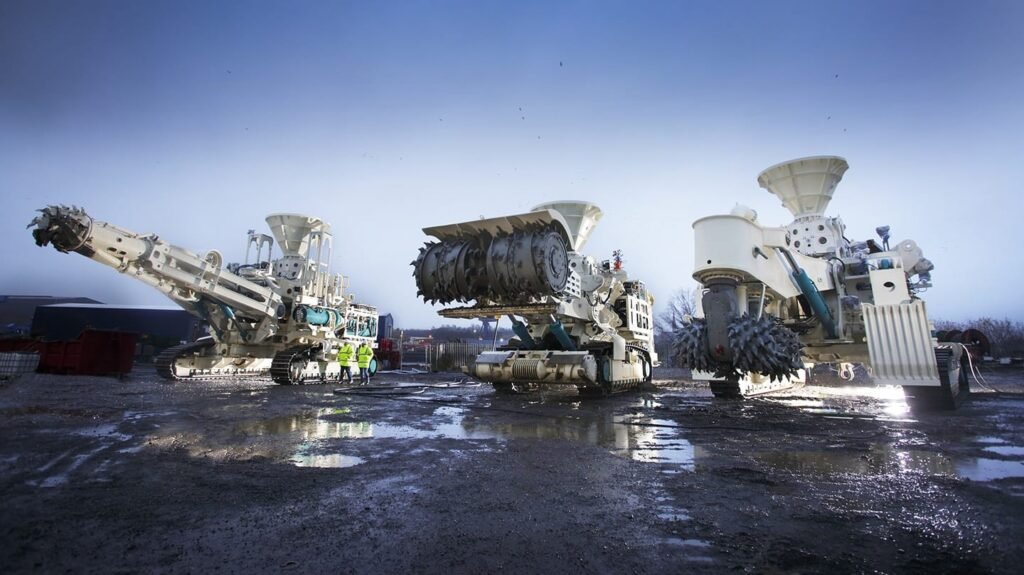
The Prediction: During the Merz visit, a secret Memorandum of Understanding (MoU) was discussed regarding Joint Deep-Sea and Arctic Mineral Exploration.
The Hardware Connection: This explains India’s sudden interest in Ice-Hardened Type 214 submarines. These German-designed subs are being optimized for cold-water operations to protect India’s future mineral transport routes in the Northern Sea Route (NSR).
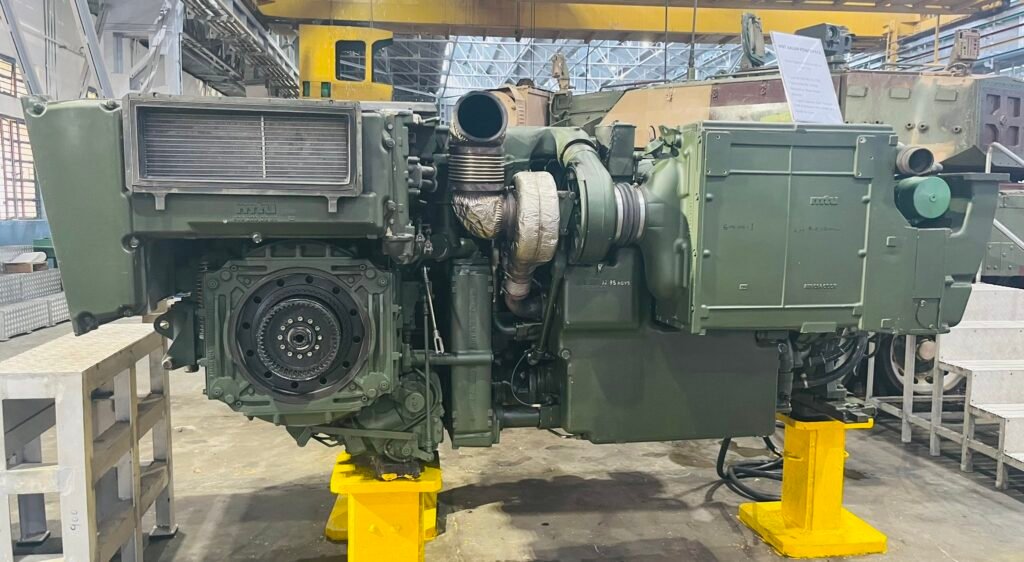
5. Land Warfare: Replacing the Russian Backbone with German Precision
The Jan 2026 roadmap has signaled the final death knell for the Russian era in the Indian Army. The Future Ready Combat Vehicle (FRCV) project is now pivoting toward German technology.
The Leopard-DNA: Germany has offered to supply the MTU 1500hp engines, the same Heart that powers the legendary Leopard-2 tank, to be manufactured in India.
Israeli Integration: By combining German mechanical power with Israeli Arbel AI-fire control systems, the Indian Army is building a tank that can out-calculate and out-gun any adversary on the LAC.
Economic Scale: This partnership is expected to create 5,000+ high-tech jobs in the defense corridors of Uttar Pradesh and Tamil Nadu.
6. Economic Valuation: The $100 Billion Trade Target
The Silicon Shield is not just a military strategy, it is an economic insurance policy. Trade between Berlin and New Delhi is set to hit $100 Billion by 2030.
The Jan 27 Summit: The upcoming India-EU Summit on January 27, 2026, is where the Free Trade Agreement (FTA) will be finalised. This will allow Indian-made chips zero-duty access to the massive European market.
Green Hydrogen: Germany has committed €1.24 Billion to India’s Green Hydrogen mission. Why? Semiconductor fabs require massive amounts of clean energy. Germany is essentially powering the very factories that will compete with their own.
Conclusion: The Rise of the Strategic Third Pillar
India’s Silicon Shield is a message to the global order, The era of being a junior partner is over. By securing the deep blue with German submarines, the high skies with European engines, and the digital frontier with sovereign semiconductors, India is insulating itself from the volatility of both Washington and Moscow.
As Chancellor Merz departs and Ambassador Sergio Gor prepares his next move, one thing is certain, the Berlin-Delhi axis is the new strategic third pillar of the 21st century. India has not just built a shield, it has built a foundation for a thousand years of technological sovereignty.
Recommended Reading: The Strategic Pillars
The Undersea War: India-Germany Defense Deal 2026: The $8 Billion Submarine Roadmap
Stealth Sovereignty: India AMCA 5th Gen Stealth Fighter: The European Engine Breakthrough
The US Ultimatum: Sergio Gor’s Silicon Diplomacy: Decoding the Pax Silica Invitation
The Arctic Scramble: The Arctic War 2026: Why India and Germany are Heading to the North Pole
3 thoughts on “Why is India Building a Silicon Shield? Decoding the High-Stakes Tech Maneuver Between Washington and Berlin”