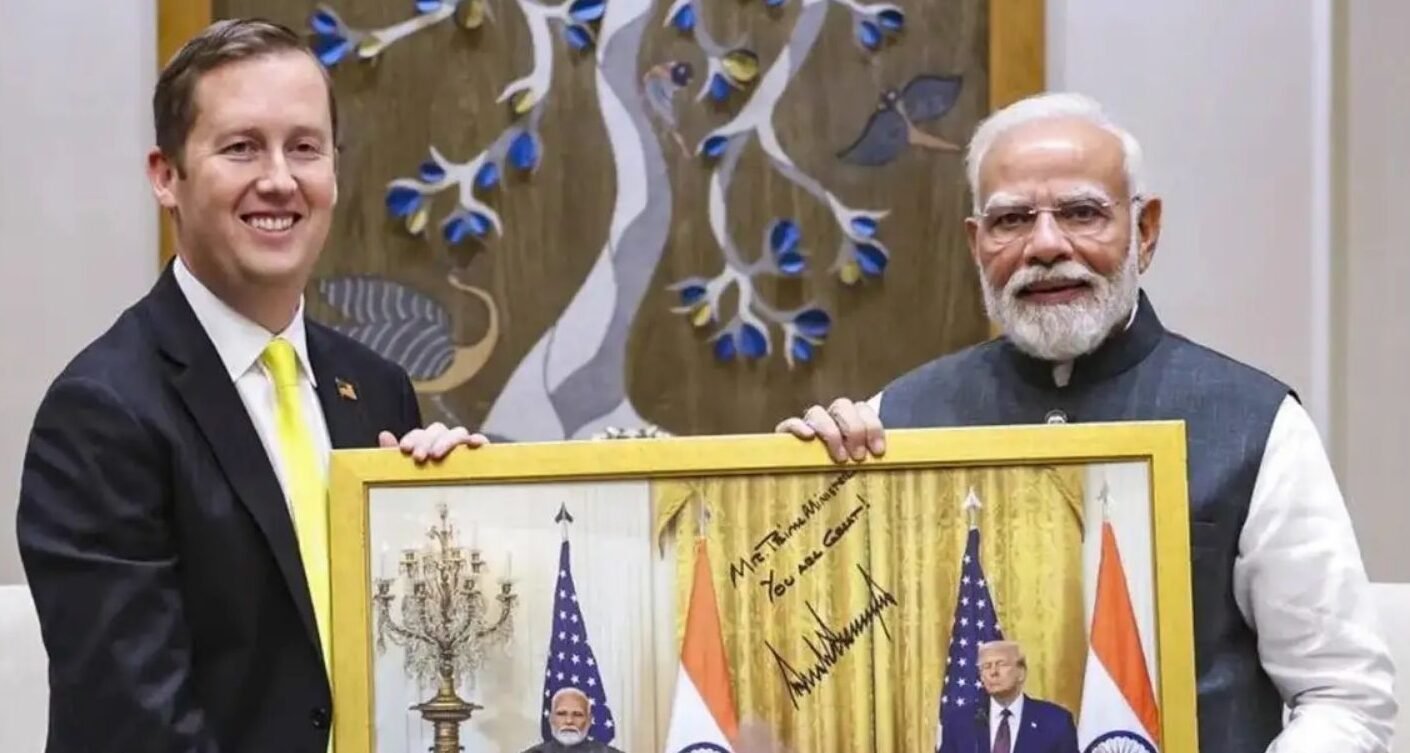
The Sergio Gor Mission 2026
Strategic Intelligence Report | By Wish, Geopolitical Analyst
The Intelligence Brief: January 10, 2026
The global diplomatic community is holding its breath as the countdown begins for January 12, 2026, the day Sergio Gor, the new US Ambassador and one of President Trump’s most trusted confidants, lands in New Delhi. This is no ordinary diplomatic arrival. In the context of the current Global Energy War, where the US has already captured Venezuela and seized Russian tankers in the Atlantic, Gor’s mission is the ultimate Grand Bargain or Grand Ultimatum.
Following the greenlighting of the US bill on January 7, which authorizes a 500% tariff on nations importing Russian crude, New Delhi finds itself at a civilizational crossroads. The era of Multi-alignment of buying oil from Moscow while selling IT services to Washington, is being forcibly ended by a transactional US administration.
As of today, January 10, India’s private refining giants have already started canceling Russian cargoes. The Gor Mission is here to deliver the final terms, India must choose between the energy of the past and the technology of the future. This report decodes the hidden layers of this mission and what it means for India’s sovereignty in 2026.
1. Who is Sergio Gor? The Closer in New Delhi
To understand the weight of this mission, one must understand the man. Sergio Gor is not a career diplomat, he is a strategist who understands the language of Leverage. His appointment to New Delhi is a signal that Washington no longer views India through the lens of a Shared Democracy but through the lens of a Transactional Partner.
The Mandate of the Mission
Gor’s mandate, as of January 10, 2026, is divided into three non-negotiable pillars:
The Oil Cut-off: A complete cessation of Russian crude imports by Q2 2026.
The Silicon Carrot: In exchange for dropping Russia, the US is offering a Fast-Track Silicon Partnership that includes the transfer of high-end lithography tools for India’s Semiconductor Mission 2026.
The Tariff Shield: A guarantee that India will be exempted from the 500% Aggressor Nation tariffs if it aligns its energy policy with the QUAD.
2. The Silicon-for-Crude Swap: The Billion Dollar Trade-off
The core of the Gor Mission is what insiders are calling the Silicon-Crude Swap. For India, the dilemma is existential.
The Cost of Disobedience
If India rejects the ultimatum and continues to buy Russian oil (which currently accounts for nearly 40% of its imports), the consequences are calculated:
The Tariff Wall: A 500% tariff on Indian exports would effectively shut down India’s $200 billion IT and pharma exports to the US overnight.
The Tech Embargo: The US could freeze the supply of critical components for Project Kusha and the AMCA Stealth Fighter, grounding India’s next-gen defense plans.
The Reward of Alignment
If India accepts, the US has promised to treat India as a Domestic Production Zone for semiconductors. This would mean:
Intel & NVIDIA Fabs: Direct investment in 2nm and 3nm chip manufacturing plants in Gujarat and Tamil Nadu.
Energy Alternatives: Immediate access to American LNG (Liquefied Natural Gas) and heavy crude from the newly captured Venezuelan fields to replace the Russian Ural grade.
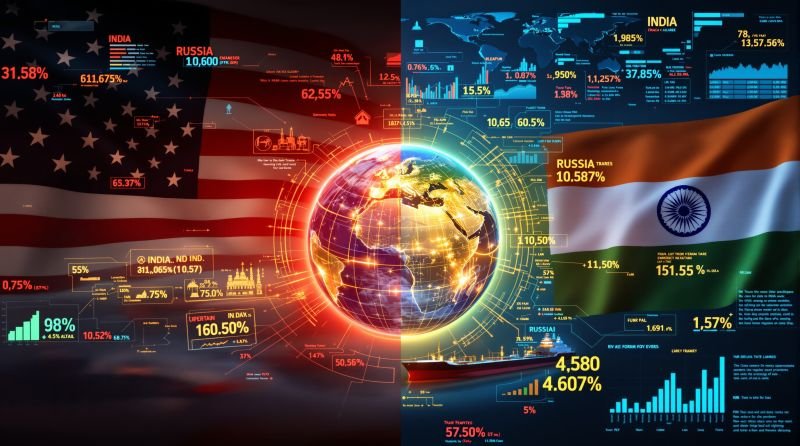
3. The End of Multi-Alignment: A New Indian Doctrine
For decades, India’s foreign policy was based on the Nehruvian-to-Modi arc of strategic autonomy, maintaining a balance between the West and Eurasia. On January 10, 2026, that balance became a liability.
The BRICS Paradox: While India is a founding member of BRICS, its economic survival is 80% linked to the Western financial system (SWIFT) and markets.
The Transactional Reality: Trump’s America First doctrine doesn’t recognize Historical Ties. For Sergio Gor, the only thing that matters is the trade balance of 2026. This is forcing New Delhi to develop a new doctrine, Interdependent Sovereignty.
4. The Russian Retaliation: Moscow’s Counter-Move
Moscow is not watching the Gor Mission in silence. On January 9, 2026, reports surfaced that Russia had offered India an even deeper discount on Arctic oil, to be delivered via the Northern Sea Route (NSR).
The Eurasian Anchor
Nuclear Technology: Russia is dangling the carrot of full technology transfer for Small Modular Reactors (SMRs) and Thorium reactors, something the US is still hesitant to share.
The Security Threat: If India dumps Russia, New Delhi loses its primary leverage over China. A Russia that is totally dependent on Beijing is India’s worst geopolitical nightmare.
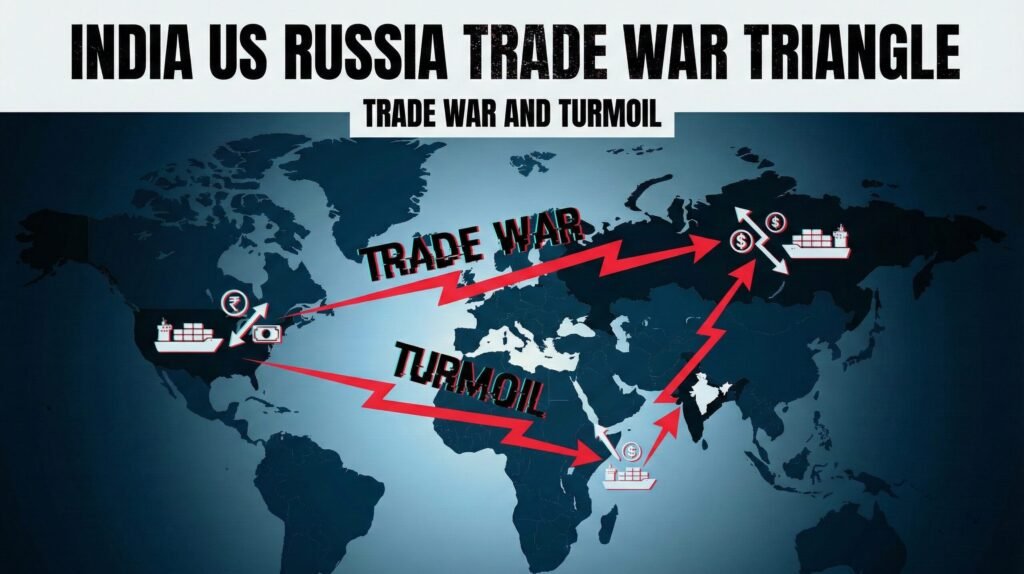
5. Domestic Impact: The Reliance and Adani Shift
The true foresight of the Gor Mission can be seen in the actions of India’s corporate giants. As of January 10,
Reliance Industries: Has reportedly prepared a transition plan to shift 100% of its Jamnagar refining capacity to American and Venezuelan crude by March 2026.
The Supply Chain Pivot: Indian MSMEs are being told to prepare for a US-Standard audit, as Washington looks to shift its supply chains from China to a Gor-Certified India.
6. Strategic Vulnerability Assessment: January 2026
| Factor | Scenario A: Accept Gor Terms | Scenario B: Maintain Multi-Alignment |
| Energy Cost | High (US/LNG is pricier) | Low (Russian Discount) |
| Tech Growth | EXPLOSIVE (Silicon Leader) | Stagnant (Sanctioned/Legacy) |
| Trade Status | Favored Partner | Aggressor/Tariffed Nation |
| Defense Link | Integrated with QUAD | Dependent on “Shadow Fleet” |
| Geopolitical Risk | Loss of Russian Support | Total Economic Isolation |
7. The Futuristic Forecast: The 2027 Digital Currency War
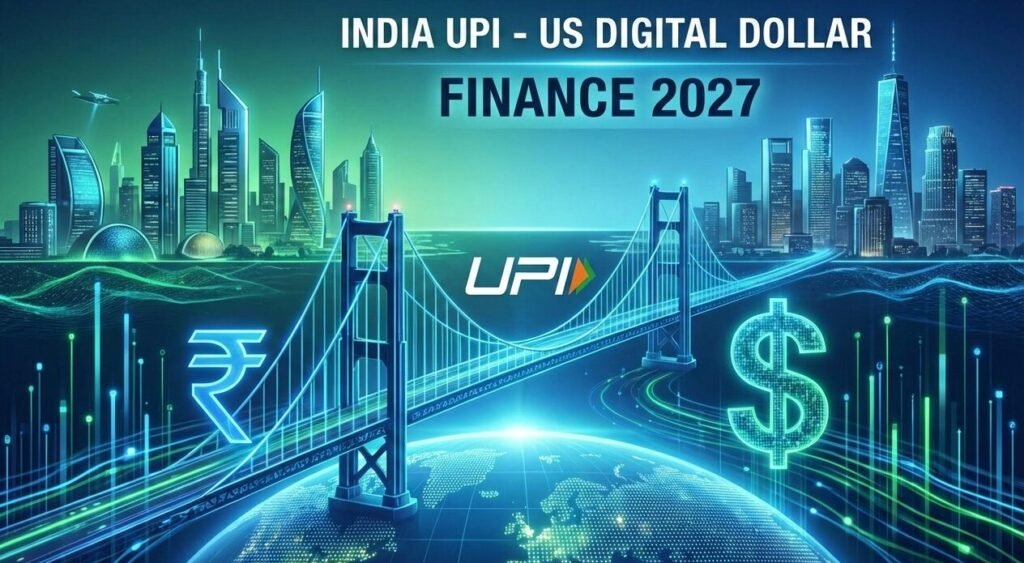
My research indicates that the Gor Mission is also about the Digital Dollar vs. BRICS Pay.
The Prediction: Gor will demand that India integrates its UPI (Unified Payments Interface) more deeply with the US-led digital financial network, effectively killing the dream of a BRICS Currency that Russia and China are pushing. By 2027, the world will not be divided by borders, but by the Ledger they use. India’s choice next week will decide which ledger it belongs to for the next century.
8. The 2026 Roadmap: The Critical Week Ahead
January 12, 2026: Sergio Gor lands in New Delhi, immediate meeting with the External Affairs Minister.
January 14, 2026: High-level meeting between Gor and India’s top 10 CEOs (Reliance, Tata, Adani, etc.).
January 15, 2026: Deadline for India to respond to the 500% Tariff Observation Period.
February 2026: Expected announcement of the Grand Indo-US Tech Accord.
Conclusion: The Price of the Future
The Sergio Gor Mission 2026 is the defining moment for India as a 21st-century superpower. It is a brutal reminder that in a transactional world, Friendship is a variable, but Interest is a constant. The 500% tariff threat is the stick, and the Silicon Fabs are the carrot.
For India, the choice is no longer about balancing Moscow and Washington. It is about deciding whether it wants to remain a mid-tier power dependent on the oil of the past or become a global tech-sovereign of the future. As Sergio Gor’s plane approaches New Delhi, the Indo-Pacific is about to witness the most significant strategic pivot since the end of the Cold War.
The price of the future is high, and next week, India will have to pay it.
Recommended Reading: The Strategic Matrix
The Energy Context: Global Energy War 2026: The Venezuela Strike and Trump’s 500% Tariff
The Tech Core: India Semiconductor Sovereignty 2026: The Micron & Tata Reality
The Arctic Link: The Arctic War 2026: The New Northern Route and NATO-Russia Stand-off
The Defense Shield: Project Kusha 2026 Update: India’s Indigenous Sky Shield Trials