Strategic Intelligence Report | By Wish, Senior Defense Analyst
The Intelligence Brief
As we enter the first week of January 2026, the definition of “National Security” has fundamentally shifted. While the global spotlight remains on kinetic conflicts in the Red Sea and the Himalayas, a more silent and potentially devastating threat is looming: Biological Warfare.
The lessons of the 2020-2022 era were a wake-up call, but the 2025 intelligence reports regarding “Gain-of-Function” research in adversary labs have turned bio-security into a high-priority defense pillar. New Delhi’s response is Project Sanjeevani India Bio-Defense 2026.
Formally integrated under the National Security Council Secretariat (NSCS), Project Sanjeevani is India’s comprehensive strategy to create an impenetrable “Bio-Shield.” This mission moves beyond mere healthcare; it is a multi-domain defense initiative that combines high-containment laboratories, AI-driven pathogen surveillance, and rapid-response vaccine manufacturing. With the inauguration of new BSL-4 facilities near the LAC, India is signaling that it will no longer be vulnerable to engineered outbreaks. This report decodes the architecture of Project Sanjeevani and its role in India’s 2026 strategic roadmap.
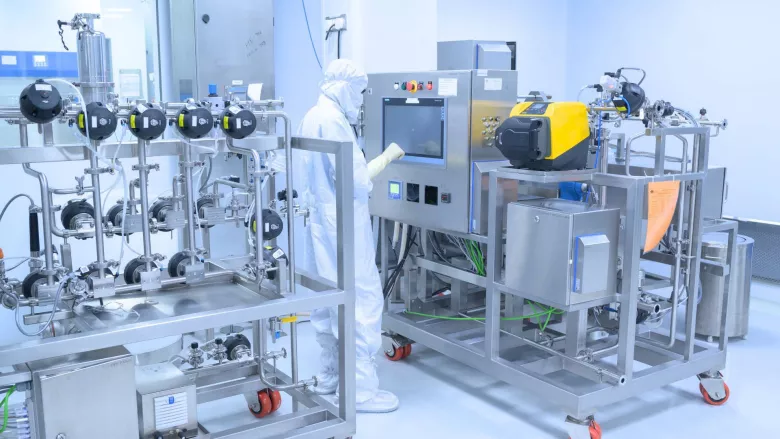
1. The Genesis: Why Bio-Defence is the New Nuclear Triad
In the strategic calculus of 2026, biological agents are viewed as “The Poor Man’s Nuclear Weapon.” They are cheap to produce, difficult to trace, and can cripple a nation’s economy without firing a single bullet. Following the lessons of Operation Sindoor (2025), where tactical logistics were tested against simulated bio-threats, the Indian government greenlit a ₹15,000 crore ($1.8 billion) expansion of its bio-defense infrastructure
The LAC Vulnerability
Intelligence reports from late 2025 indicated that adversaries have established advanced research facilities in the Tibetan plateau, capable of testing pathogens in high-altitude environments. Project Sanjeevani India Bio-Defense 2026 is designed to neutralize this advantage by establishing a network of “Early Warning Sensors” along the Himalayan frontier, capable of detecting aerosolized biological agents in real-time.
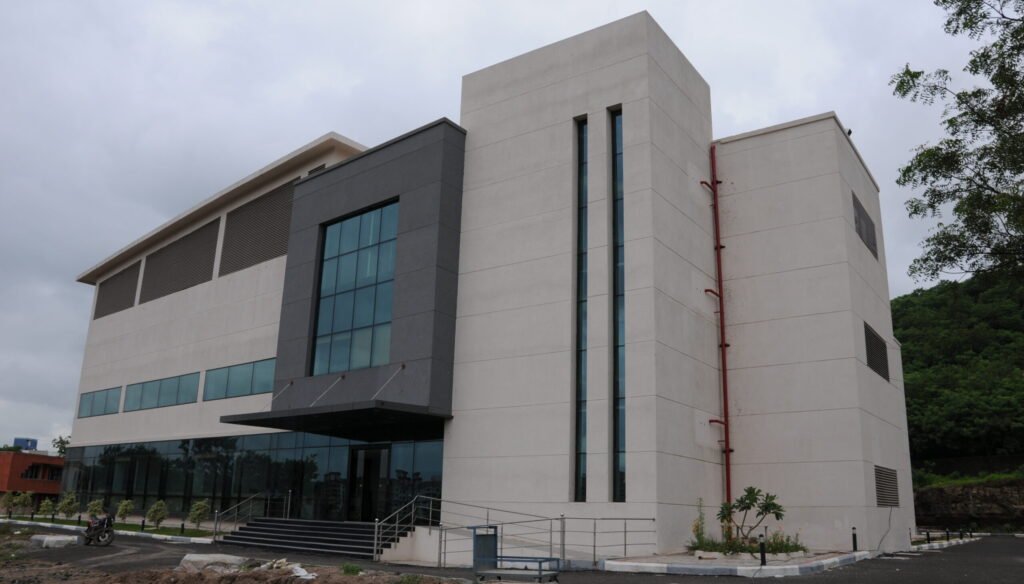
2. Infrastructure: The BSL-4 Expansion in Arunachal and Ladakh
The backbone of Project Sanjeevani India Bio-Defense 2026 is the establishment of Biosafety Level 4 (BSL-4) laboratories. These are the highest-security labs in the world, designed to handle the most dangerous pathogens like Ebola, Marburg, and engineered respiratory viruses.
The Frontier Sentinel Strategy
Arunachal Node: By mid-2026, India’s first high-altitude BSL-4 lab in Arunachal Pradesh will be operational. This facility will focus on zoonotic diseases specific to the Eastern Himalayas and monitor any “unnatural” outbreaks near the LAC.
Ladakh Mobile Units: As part of the Frontier Highway India 2026 integration, the Indian Army has deployed mobile BSL-3 and BSL-4 units. These “Labs-on-Wheels” can be rushed to any sector where a biological contamination is suspected, providing immediate diagnostic results to the Northern Theatre Command.
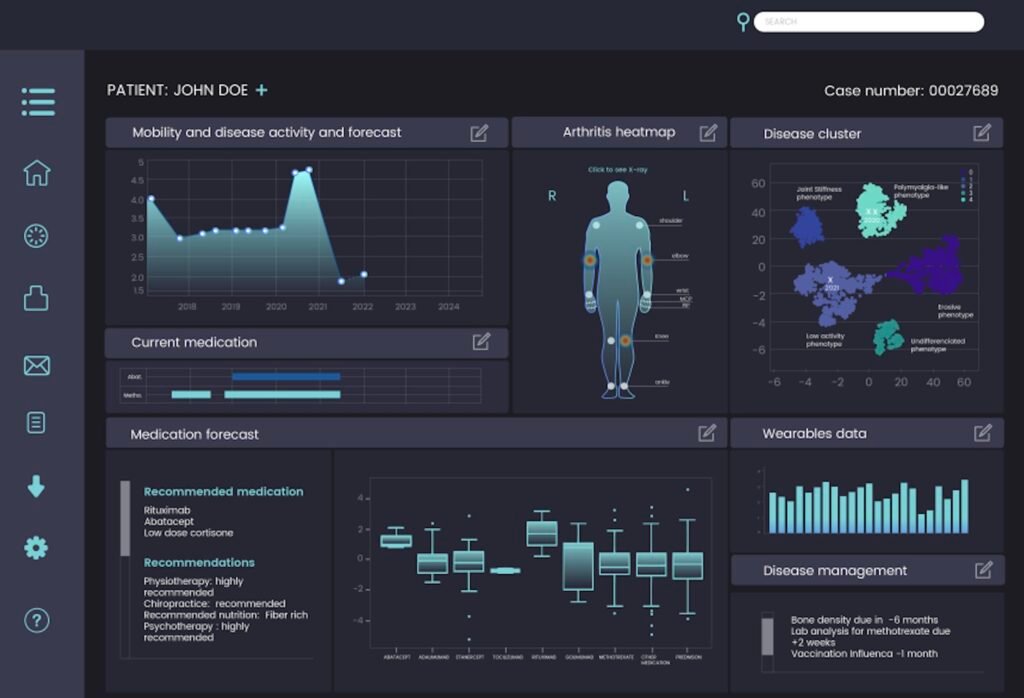
3. The Technology: AI-Driven ‘Prajna’ Pathogen Tracking
Hardware alone cannot win a bio-war, intelligence is the key. Under Project Sanjeevani India Bio-Defense 2026, India has launched the ‘Prajna’ (Intelligence) Surveillance System.
Predictive Outbreak Modeling
Utilizing the same high-end computing power used for the AMCA 5th Gen Fighter design, Prajna analyzes global health data, social media trends, and hospital admission patterns to identify an outbreak before it becomes a pandemic.
Genomic Surveillance: Every week, thousands of environmental samples from Indian ports and border towns are sequenced. The AI identifies any “synthetic inserts” in the virus’s DNA, which would indicate a laboratory origin.
The Silicon Link: This system is powered by the new indigenous chips coming out of the India Semiconductor Mission 2026, ensuring that India’s bio-intelligence data is not stored on foreign servers.
4. Strategic Deterrence: The ‘Vaccine-on-Demand’ Platform
In biological warfare, the best deterrent is the ability to protect your population faster than the enemy can infect them. Project Sanjeevani has established a ‘Warm Manufacturing’ network across India.
mRNA Sovereignty
By 2026, India has perfected its indigenous mRNA vaccine platform. Unlike traditional vaccines that take months to develop, the mRNA platform allows India to design and mass-produce a vaccine for a new pathogen within 60 to 100 days.
Military Priority: The first batch of any “Sanjeevani Shield” vaccine is earmarked for the frontline troops stationed at the Project Seabird naval base and Himalayan outposts, ensuring that India’s defense capabilities remain intact even during a bio-crisis.
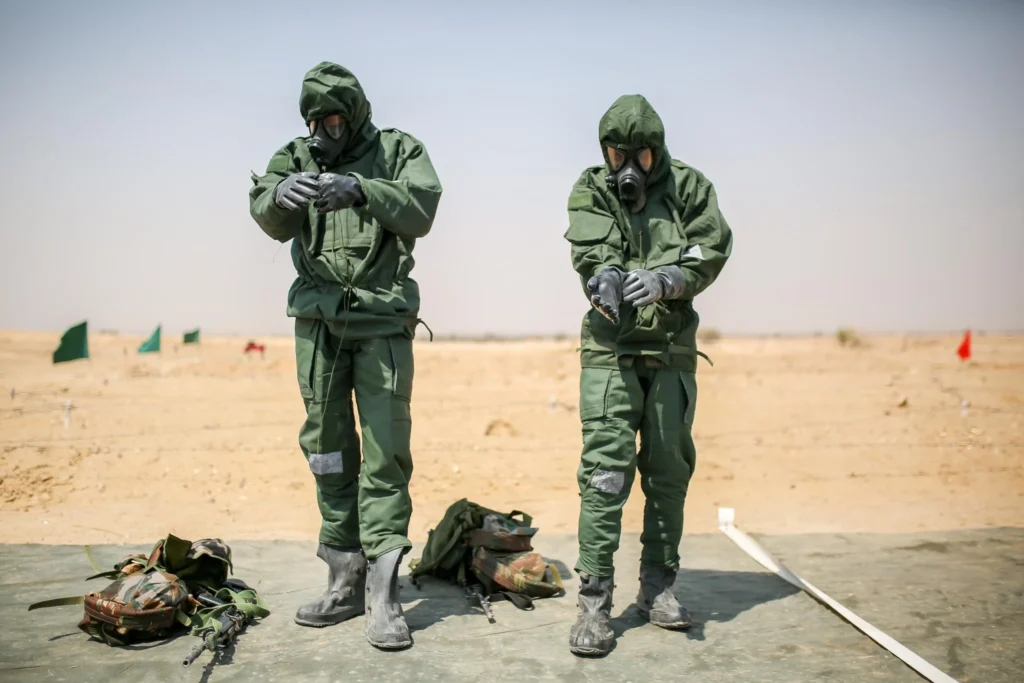
5. Geopolitical Rivalry: The Global Bio-Security Race 2026
The race for bio-defense is the new “Space Race.” Nations that control the ability to detect and neutralize pathogens will hold the ultimate geopolitical leverage.
Comparative Analysis: Bio-Defense Readiness 2026
| Feature | India (Project Sanjeevani) | China (Bio-Silk Road) | USA (Project NextGen) |
| Early Warning | AI-Prajna (Integrated) | State-Controlled Grid | Global Pathogen Net |
| BSL-4 Capacity | Expanding (Frontier focus) | High (Lhasa/Wuhan) | Highest (Global labs) |
| Vaccine Speed | 60-100 Days (mRNA) | Standard (Inactivated) | Under 60 Days (mRNA) |
| Strategic Goal | Sovereign Bio-Shield | Bio-Economic Dominance | Global Containment |
6. Integration with Integrated Theatre Commands (ITC) 2026
Biological defense is no longer a health ministry issue; it is a combat theater issue.
The Bio-Nuclear-Chemical (NBC) Command: Under the Integrated Theatre Commands India 2026, the NBC Command has been restructured. Every theatre commander now has a “Sanjeevani Advisor” to manage the risks of bio-contamination during active combat.
Logistics Synergy: The RELOS Agreement India now includes protocols for the rapid airlift of bio-containment equipment and vaccines across the Indo-Pacific using Indian and partner military assets.
7. The 2026 Roadmap: Milestone to Sovereignty
Q1 2026: Launch of the Prajna AI-Pathogen Dashboard for the NSCS.
Q2 2026: Completion of the Arunachal BSL-4 laboratory.
Q3 2026: Final validation of the “Vaccine-on-Demand” mRNA platform.
Q4 2026: First full-scale national bio-defense drill involving all three services and civilian agencies.
Conclusion: Securing the Life-Code of a Nation
Project Sanjeevani India Bio-Defense 2026 is the ultimate insurance policy for 1.4 billion people. In an era where a single vial can be as destructive as a squadron of fighter jets, India has chosen to build a shield made of science, AI, and strategic foresight. By securing its biological borders, New Delhi is ensuring that its rise as a global power cannot be halted by a microscopic enemy. The “Invisible War” is here, and with Project Sanjeevani, India is ready to win it.
Recommended Reading: The Pillars of Indian Security
To understand how Project Sanjeevani fits into the larger 2026 defense architecture, explore these reports:
Sky Shield: Project Kusha India Sky Shield 2026: The Indigenous Iron Dome
Maritime Defense: Operation Sankalp 2.0 Red Sea: India’s Role as Net Security Provider
Strategic Infra: Frontier Highway India 2026: Building the Himalayan Fortress
Silicon Core: India Semiconductor Sovereignty 2026: The Micron & Tata Reality