By Wish | Geopolitical Intelligence
The Bear Has Landed and Left: A New Era Begins
The highly anticipated Putin India Visit has concluded. As the dust finally settles in New Delhi, the message to the world is clear. The message sent to the global community is loud, clear, and defiant: The strategic autonomy of New Delhi is non-negotiable, and the “Special and Privileged Strategic Partnership” is immune to Western pressure.
Just hours before Russian President Vladimir Putin touched down in New Delhi, India’s aviation sector faced a massive, coordinated cyber disruption. Whether it was a coincidence or a “Grey Zone” warning from adversaries unhappy with this meeting, it failed to dampen the spirit of the summit.
Prime Minister Narendra Modi and President Putin have set a roadmap that goes far beyond traditional buyer-seller ties. From setting a massive trade target to discussing next-generation air defense systems that can intercept targets in space, this summit has reshaped the geopolitical calendar of 2025.
This is not just a diplomatic recap; this is a deep dive into the 5 major strategic outcomes that will define India’s security architecture for the next decade.
1. The Cyber Backdrop: Resilience Tested in the Grey Zone
Before we analyze the handshakes, we must analyze the “glitch.” While the leaders were preparing to meet, digital infrastructure in major Indian airports faced a suspected malware attack. Flights were grounded, and screens went blank. Security agencies managed to contain it, but defense analysts are viewing this through a military lens.
This was likely a classic example of “Grey Zone Warfare” actions that damage a country but fall below the threshold of open war. The timing points towards state-sponsored actors aiming to embarrass India during a high-profile event.
Why does this matter?
This incident became a catalyst during the summit. Both sides have agreed to aggressively upgrade their cyber-security cooperation. Russia, having faced the brunt of Western cyber warfare since the Ukraine conflict began, possesses advanced “offensive-defensive” cyber capabilities. The agreement to share real-time threat intelligence acknowledges a harsh reality: in modern warfare, data is as critical as ammunition. India’s digital borders are now as active as the Line of Control (LoC).
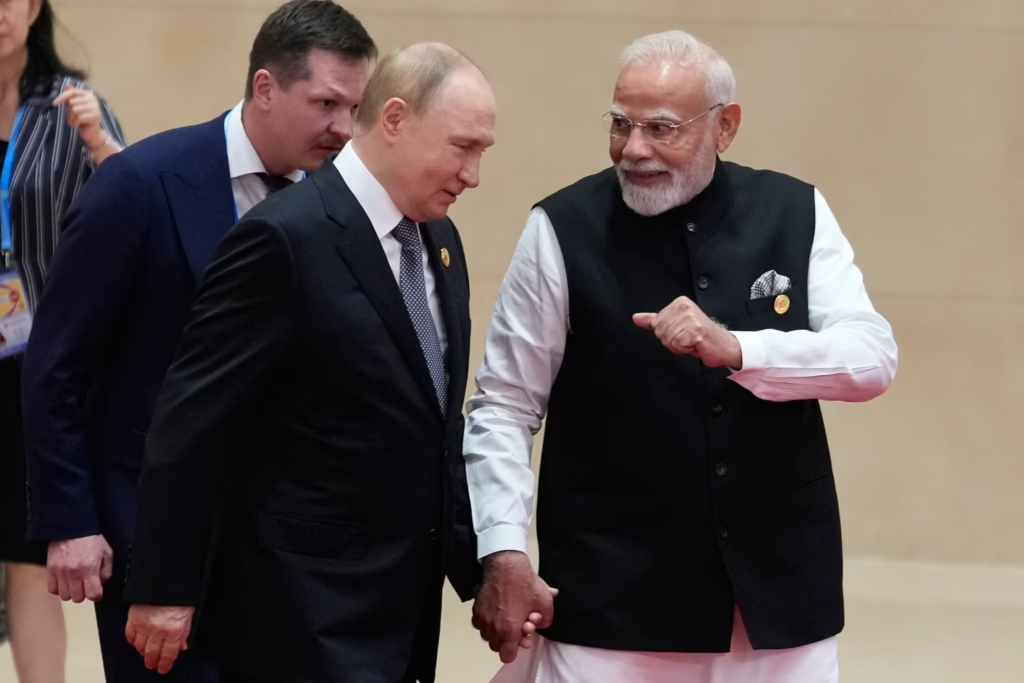
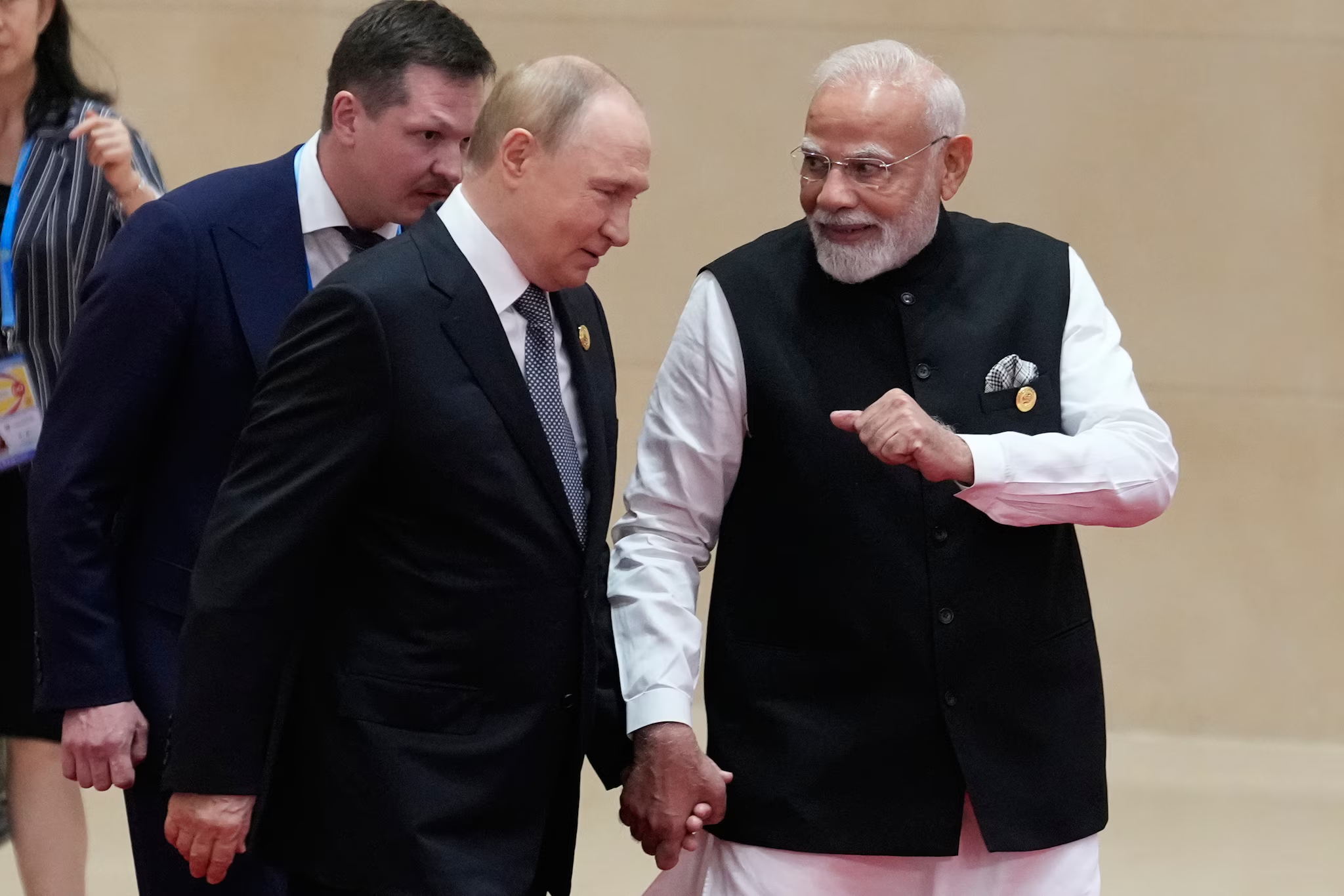
PM Modi and Vladimir Putin meeting India Russia Summit 2025
2. Defense 2.0: Beyond the S-400 (Enter the Prometheus)
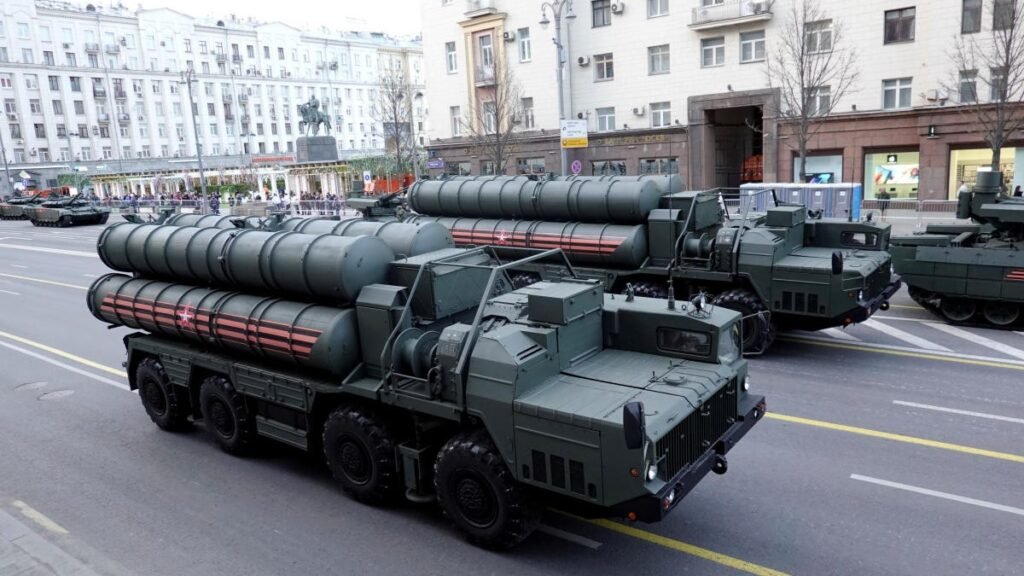
The biggest headline from the closed-door meetings was not about maintaining old weapons, but acquiring the tools of future warfare. The discussion has moved from the S-400 to the S-500 Prometheus and the Su-57 Felon.
The S-500 Prometheus Discussions Reports indicate that India has opened preliminary technical discussions for the S-500 system. While the S-400 Triumf is designed to destroy aircraft and cruise missiles, the S-500 is a monster of a different breed. It is designed to intercept Intercontinental Ballistic Missiles (ICBMs) and even engage targets in low-earth orbit (satellites).
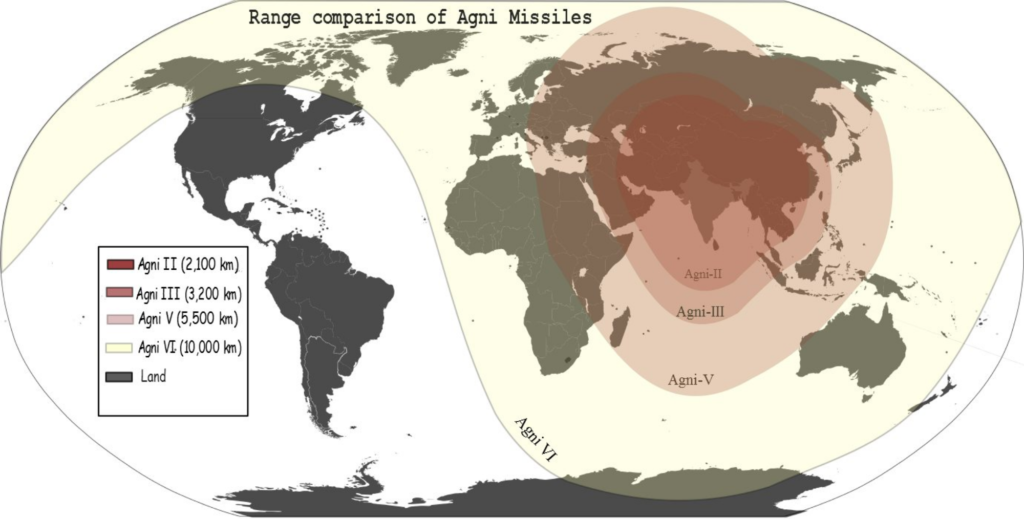
Why does India need it? The answer is China. Beijing has rapidly expanded its rocket force and hypersonic capabilities. The S-500 is currently the only system in the world claimed to be capable of countering hypersonic glide vehicles effectively. If India secures this deal in the future, it closes the air-defense gap in the Himalayas.
The Su-57 Felon Fighter Jet With the delay in India’s own AMCA (Advanced Medium Combat Aircraft) program, the Indian Air Force is staring at a depleting squadron strength. The summit saw renewed interest in the Sukhoi Su-57, Russia’s fifth-generation stealth fighter. Unlike the previous FGFA program which India exited, the new offer involves the upgraded variant combat-tested in Ukraine. Acquiring the Su-57 would provide an immediate counter to Pakistan’s J-31 and China’s J-20 stealth fighters.
RELOS and the Arctic Route The Reciprocal Exchange of Logistics Agreement (RELOS) is moving towards finalization. This is a game-changer for the Indian Navy. It will allow Indian warships to access Russian naval ports in the Arctic region. As the polar ice melts, the Northern Sea Route is becoming the new Suez Canal. By gaining access here, India is effectively checkmating China’s “Polar Silk Road” ambitions.
3. The China Statement: “We Do Not Interfere”
Perhaps the most critical geopolitical win for India was President Putin’s public stance on the India-China border tension. When asked about the friction in the Himalayas during the media interaction, Putin explicitly stated that these are “bilateral issues” and Russia does not intend to interfere.
To the untrained eye, this looks like a non-answer. But in the world of diplomacy, this is a massive statement.
Decoding the Message: There were fears in New Delhi that Russia, sanctioned by the West and economically dependent on China, would become a “Junior Partner” to Beijing. There was a risk that Xi Jinping could pressure Moscow to delay spare parts or weapons to India during a crisis.
By stating strict neutrality, Putin has signaled to Beijing that Moscow will not take China’s side against India. Russia values India as an independent pole in the multipolar world. PM Modi’s strategy of This major outcome of the Putin India visit ensures that Russia remains a neutral balancer in Eurasia, preventing a total China-Russia military alliance against India.
4. The $100 Billion Trade Target: Fixing the Payment Crisis
The backbone of this relationship has shifted from guns to “Black Gold” (Oil) and trade. The leaders have set an ambitious, almost aggressive target: $100 Billion in bilateral trade by 2030.
However, there is an elephant in the room-the payment mechanism. Since the war began, India has saved billions by importing discounted Russian crude. But the trade is heavily skewed. India buys oil, but Russia struggles to buy Indian goods, leading to billions of Rupees accumulating in “Vostro Accounts” in Indian banks which Russia cannot easily use.
The Solution Discussed:
Diversification: Russia has agreed to invest these surplus Rupees back into Indian infrastructure and capital markets.
Maritime Corridor: The Chennai-Vladivostok Maritime Corridor received a fresh push. This route significantly cuts the transport time compared to the Suez Canal. Russia intends to use this route to export coking coal (vital for India’s steel industry) and timber, balancing the trade deficit.
De-Dollarization: Both nations are refining a trade mechanism that bypasses the US Dollar and SWIFT system entirely, insulating their economies from future Western sanctions.
5. Energy Security: The Nuclear Backbone
While oil grabs the headlines, nuclear energy remains the silent, clean powerhouse of the relationship. Russia is currently the only foreign power actively building nuclear power plants on Indian soil.
The summit confirmed the acceleration of Units 5 and 6 at the Kudankulam Nuclear Power Plant in Tamil Nadu. Furthermore, discussions were held regarding a second site for a new Russian-designed plant. For India’s energy-hungry economy, which seeks to move away from coal, Rosatom’s technology is indispensable. Unlike Western reactors which come with complex liability clauses and political strings, the Russian deal is straightforward and reliable.
Conclusion: The Multi-Alignment Masterclass
The Putin India Visit of December 2025 proves that the global order has fundamentally shifted from “Unipolar” to “Multipolar.” India has mastered the art of Multi-Alignment.
Consider the timeline:
Monday: India engages with the US on semiconductors and critical technology.
Tuesday: India engages with Russia on S-500s and hypersonic defense.
Critics in the West call this “sitting on the fence.” Indian strategists call it “Strategic Autonomy.” The flight cancellations were a glitch, but the diplomacy was a feature. As long as the borders with China and Pakistan remain active, and as long as the Himalayas remain a flashpoint, the telephone line between New Delhi and the Kremlin will remain open, active, and essential.
What do you think?
Should India go ahead with the S-500 deal despite the risk of US Sanctions (CAATSA)?
Tell us in the comments.
Read Next: [India Hypersonic Missile: 5 Ways HSTDV Counters China’s DF-17 Threat].