By Wish | Analysis
The Malacca Dilemma
The Great Nicobar Project is not merely an infrastructure initiative; it is India’s knife held against China’s jugular vein. While Beijing expands its navy at breakneck speed, it suffers from a critical geographical weakness known as the “Malacca Dilemma.”
Nearly 80% of China’s oil imports pass through the narrow Strait of Malacca. And sitting right at the mouth of this strait, like an unsinkable aircraft carrier, is India’s Great Nicobar Island.
For decades, this strategic advantage remained dormant. But with the ₹72,000 crore Great Nicobar Project, New Delhi is finally turning geography into a weapon.
The Executive Brief
(Why this matters in 30 seconds)
The Location: The southernmost tip of India, just 90 km from the Malacca Strait shipping lane.
The Project: A Transshipment Port, International Airport, Power Plant, and Township.
The Strategy: Transforming a “Remote Island” into a “Forward Military Base.”
The Target: Monitoring and potential blockade of Chinese vessels entering the Indian Ocean.
1. What is the Great Nicobar Project?
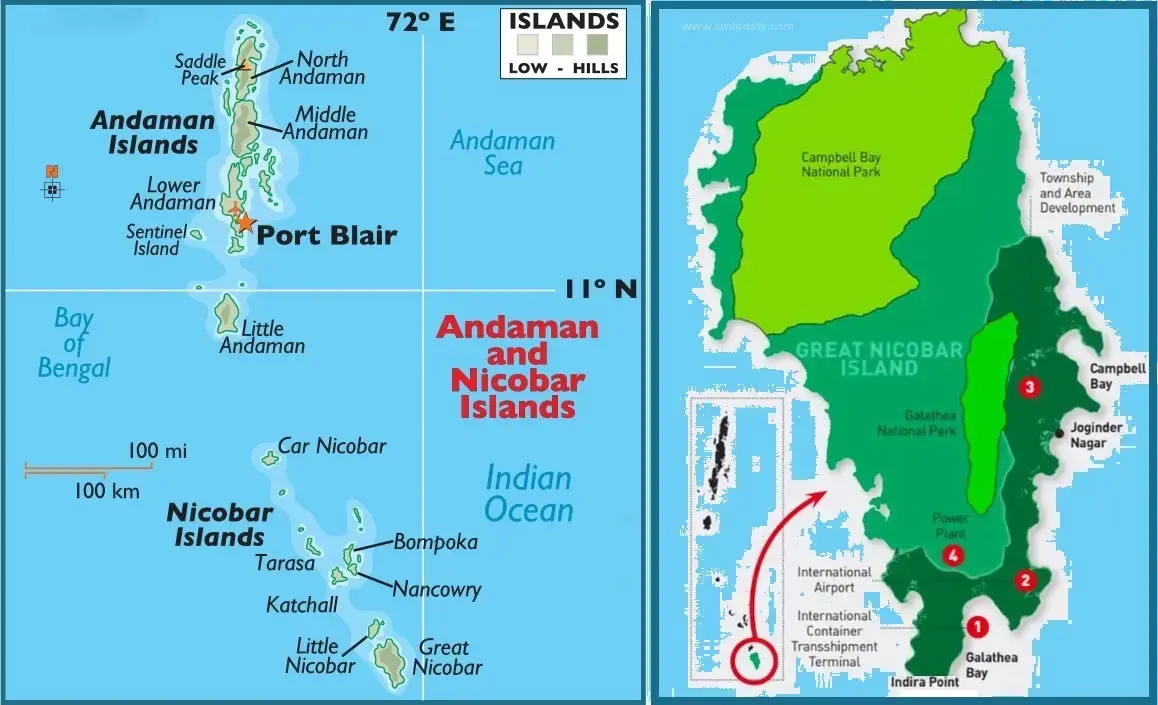
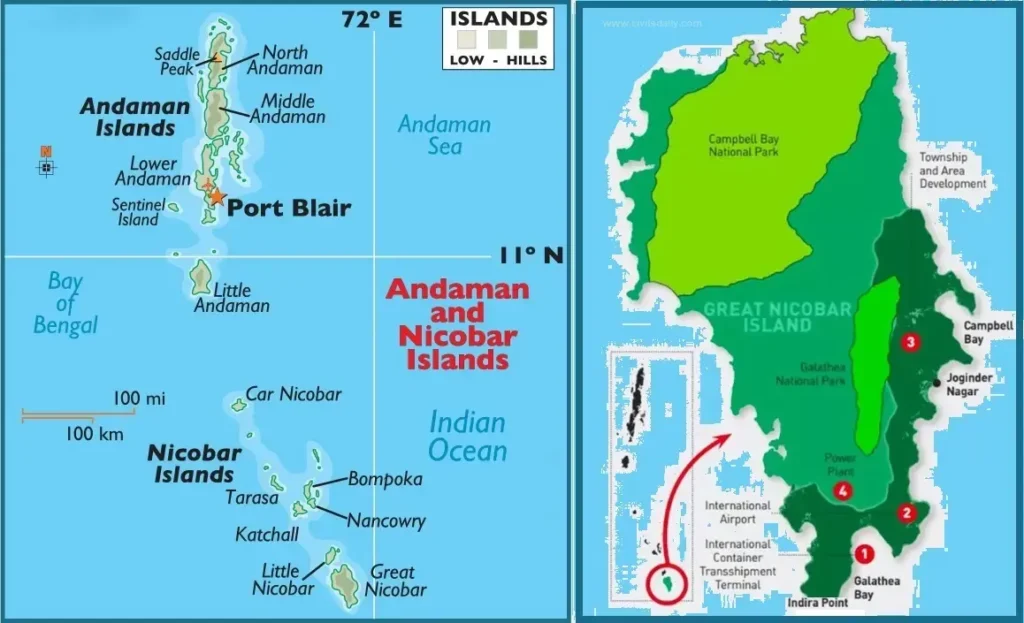
To understand the scale, we must look at the blueprint. The Great Nicobar Project is a mega-development plan spearheaded by the NITI Aayog. It is designed to transform a quiet tribal reserve into a bustling strategic hub comparable to Hong Kong or Singapore.
Project Breakdown:
| Component | Purpose | Scale |
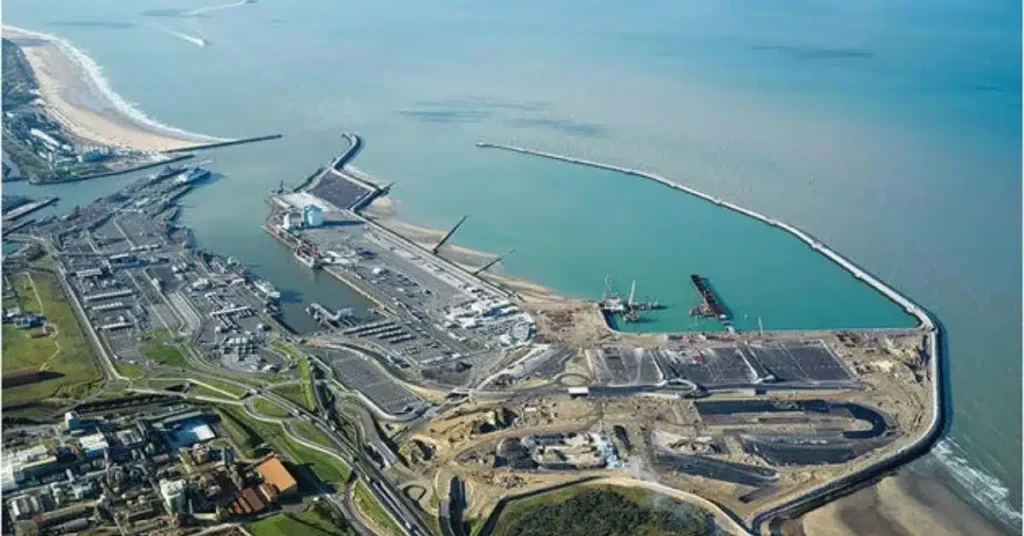
| Transshipment Port | To handle massive cargo ships that currently skip India. | Galathea Bay |
| Dual-Use Airport | For civilian flights and military surveillance aircraft (P-8I). | International Std. |
| Power Plant | To power the new strategic city and naval radars. | 450 MW (Gas/Solar) |
| Township | To populate the border region for better security. | Smart City |
“In geopolitics, emptiness is a vulnerability. Populating the border islands is the first step of defense.”
2. Strategic Value: The “Iron Curtain”
The location of the Great Nicobar Project is its biggest asset. It sits closer to Myanmar, Indonesia, and Thailand than to the Indian mainland.
The Choke Point Strategy
The Six Degree Channel (located between Great Nicobar and Indonesia) is the primary entry point for shipping traffic moving from the Indian Ocean to the Pacific.
Surveillance: With advanced radar systems and airstrips at Campbell Bay (INS Baaz), India can track every single Chinese submarine or destroyer entering the region.
Blockade Capability: In the event of a war over the Himalayas or Taiwan, India effectively controls the switch. A naval blockade here would starve China of energy within weeks.

3. Countering the “String of Pearls”
We previously analyzed how China is encircling India with ports in Sri Lanka and Pakistan. The Great Nicobar Project is the “Diamond” that cuts this string.
Speed of Response: Currently, if Chinese ships threaten the Indian Ocean, Indian warships have to sail all the way from Vizag or Chennai. A fully operational base in Nicobar cuts the response time from days to hours.
The QUAD Angle: This base also supports India’s partners. It allows seamless coordination with the US Navy in Diego Garcia and the Australian Navy in the Cocos Islands, creating a complete surveillance net across the ocean.
4. The Environmental vs. Security Debate
While the strategic logic is flawless, the Great Nicobar Project faces stiff opposition due to its ecological cost. The island is home to the indigenous Shompen and Nicobarese tribes and unique wildlife like the Nicobar Megapode.
The Hard Trade-off:
Critics argue that clearing 130 sq km of rainforest is a disaster. The government argues that national security cannot be compromised in a hostile neighborhood. The strategic reality of 2025 dictates that if India doesn’t develop these islands, they remain vulnerable to foreign encroachment.
Conclusion: The End of Hesitation
For seventy years, India treated the Andaman and Nicobar Islands as a remote outpost, fearing that militarizing them would upset Southeast Asian neighbors. That era of hesitation is over.
The Great Nicobar Project signals that India is ready to project power far beyond its shores. It sends a silent but loud message to Beijing: You may have the String of Pearls, but we hold the Iron Curtain.
What do you think?
Is the ecological cost of this project worth the national security advantage? Let us know in the comments.
Read our latest 2026 Intelligence Report on the Amit Shah vision and the scientific revolt here.
Read Next: [How this connects to the String of Pearls vs. Necklace of Diamonds strategy.]