
Analysis & Opinion
India’s Soft Power is rising globally. When we talk about global superpowers, we usually count aircraft carriers, nuclear warheads, and GDP. This is “Hard Power. But in the 21st century, the ability to influence other nations through attraction, culture, and technology—“Soft Power”—is becoming the real game-changer.
Joseph Nye, who coined the term, argued that the best propaganda is not propaganda. It is credibility.
India, once seen through the lens of poverty and exoticism, has transformed into a soft power giant. From the boardrooms of Silicon Valley to the launchpads of ISRO, New Delhi is projecting power in ways that Beijing and Washington cannot match.
Here is our ranking of India’s Top 7 Soft Power Assets that are impacting the world right now.
#1. The Digital Public Infrastructure (UPI & Stack)
Impact Level: ⭐⭐⭐⭐⭐ (Highest)
Key Regions: Southeast Asia, Europe, Middle East.
While the West relies on private monopolies (Visa/Mastercard) and China relies on state surveillance, India has created a third model: Open Source Digital Public Infrastructure (DPI).
The Unified Payments Interface (UPI) is the crown jewel.
Global Adoption: It is no longer just an Indian phenomenon. France has adopted it at the Eiffel Tower. Singapore has linked its PayNow system with UPI. The UAE, Nepal, and Sri Lanka are integrating it.
The “Global South” Leader: Developing nations in Africa and Latin America are looking to India, not the US, to build their digital ID and payment systems. India is offering this technology as a “public good,” positioning itself as the leader of the Global South.
#2. The “Living Bridge”: The Global Diaspora
Impact Level: ⭐⭐⭐⭐⭐
Key Regions: USA, UK, Canada, Australia.
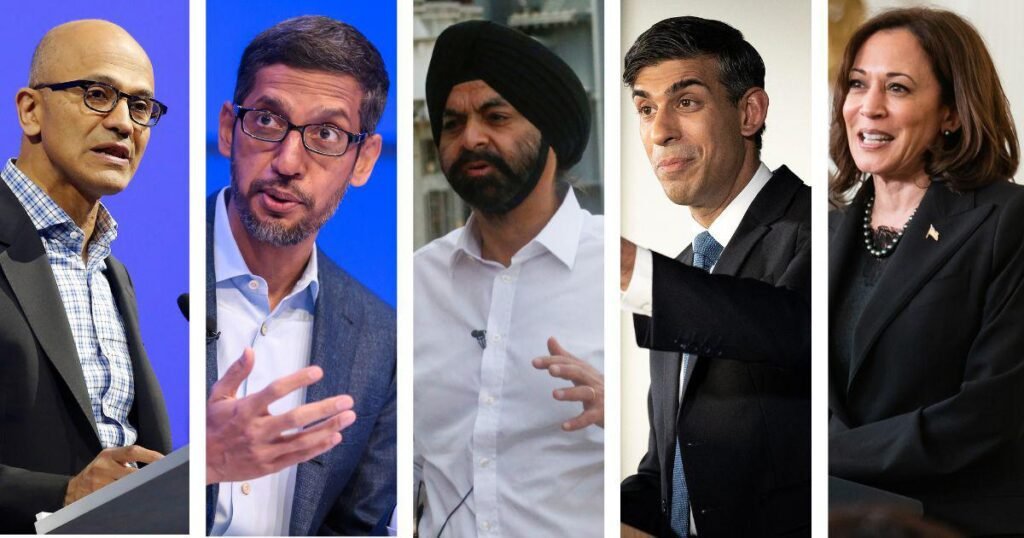
India’s biggest export is not software or spices; it is Talent. The Indian diaspora is arguably the most influential minority community in the world today. This is not just about migration; it is about Leadership.
Politics: Rishi Sunak (UK), Kamala Harris (USA), and leaders in Ireland and Portugal have Indian roots.
Tech Giants: The CEOs of Microsoft (Satya Nadella), Alphabet (Sundar Pichai), and World Bank (Ajay Banga) are Indian-born.
Why it matters: These individuals act as a “Living Bridge,” influencing policies in Western capitals that favor India’s strategic interests. Unlike the Chinese diaspora, which is often viewed with suspicion in the West, the Indian diaspora is seen as a model of integration and success.
#3. Space Diplomacy: ISRO’s Cost-Effective Might
Impact Level: ⭐⭐⭐⭐
Key Regions: Global South, SAARC Nations.
When Chandrayaan-3 landed on the Moon’s South Pole, it cost less than the budget of the Hollywood movie Interstellar. This “Frugal Engineering” is a massive diplomatic tool.
ISRO is not just launching Indian satellites; it is the preferred launchpad for countries like Singapore, Brazil, and the UK. By launching the “South Asia Satellite”, India provided free communication and disaster management data to its neighbors (excluding Pakistan), effectively using space tech to cement regional leadership.
#4. “Vaccine Maitri” & First Responder Strategy
Impact Level: ⭐⭐⭐⭐
Key Regions: Africa, Caribbean, Indian Ocean Region.
Trust is built during crises.
The Pandemic: While Western nations hoarded vaccines, India shipped millions of doses to Africa and the Caribbean under “Vaccine Maitri.”
Disaster Relief: Whether it was the earthquake in Turkey (Operation Dost) or the water crisis in the Maldives, Indian C-17 Globemasters are often the first to arrive. This humanitarian approach paints India as a “Benign Power”—a country that helps without trapping nations in debt.
#5. Yoga & Ayurveda: The Wellness Superpower
Impact Level: ⭐⭐⭐
Key Regions: Global (US, Europe, Russia).
It is easy to dismiss Yoga as just exercise, but it is a massive cultural diplomatic tool. By convincing the UN to declare June 21st as International Yoga Day, India successfully branded an ancient tradition as a modern global necessity. From wellness retreats in California to Ashrams in Rishikesh, India effectively “owns” the global wellness narrative. It creates a subconscious affinity towards Indian culture among millions of foreigners.
#6. Cinema & Cricket: The Emotional Connect
Impact Level: ⭐⭐⭐
Key Regions: Middle East, Russia, Central Asia, Afghanistan.
Before diplomats shake hands, people shake legs to Bollywood tunes.
Russia & Central Asia: Raj Kapoor is still a household name.
China: Aamir Khan’s Dangal earned millions and changed how the Chinese youth viewed Indian society.
Afghanistan: Despite the Taliban takeover, the love for Indian cricket and Bollywood remains a thread that Pakistan cannot cut. Cricket diplomacy has been a key tool in engaging with Australia and the UK.
#7. Strategic Autonomy (The Voice of Reason)
Impact Level: ⭐⭐⭐⭐
Key Regions: Global South.
Perhaps India’s most underrated soft power is its ability to “Talk to Everyone.” India is one of the few nations that can host the G20 with Western leaders, talk to Vladimir Putin, and engage with Israel and Iran simultaneously. In a polarized world, India presents itself as a “Vishwa Mitra” (Friend of the World)—a bridge between the East and West, and the North and South.
“This clearly shows that the growth of India’s Soft Power is not accidental but strategic.”
Conclusion
India’s rise is not just about GDP numbers. It is about the ability to shape the global narrative. While China offers infrastructure (Hard Power), India offers solutions, culture, and talent (Soft Power). In the long run, roads and bridges can be bombed, but culture and influence are much harder to destroy.
Related Analysis: [Read how India’s Hard Power is growing with INS Jatayu in the Indian Ocean]