By Wish | Geopolitical Analysis
The Pivot to Beijing
For decades, the Maldives followed a simple foreign policy: “India First.” New Delhi was the first responder to every crisis, from the 2004 tsunami to the 2014 water crisis. But under President Mohamed Muizzu, the archipelago nation has taken a sharp, dangerous turn.
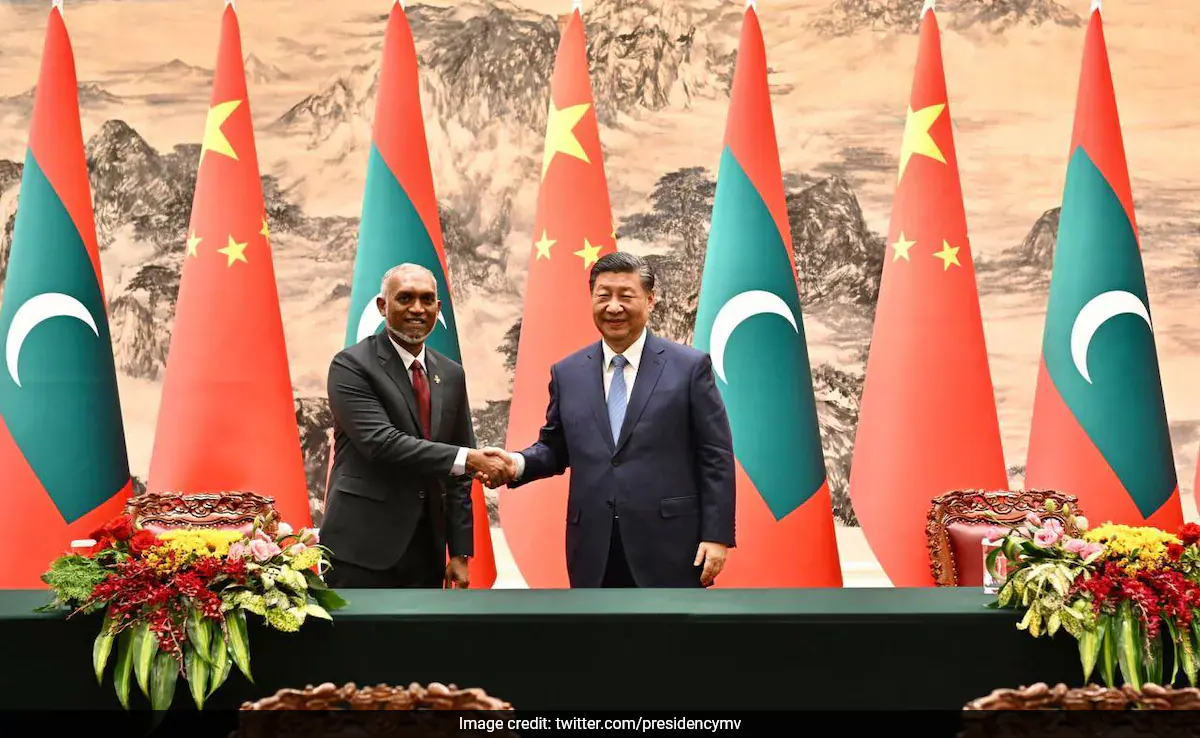
The slogan “India Out” was not just election rhetoric; it was a geopolitical signal. By demanding the withdrawal of Indian aviation support personnel and signing defense pacts with Beijing, Male has effectively opened the gates of India’s backyard to the Chinese Dragon.
This analysis decodes why this tiny island nation matters so much, and how China is using debt and drones to displace India.
Strategic Comparison: India vs. China in Maldives
| Feature | India’s Role | China’s Role |
| Primary Focus | Security, Healthcare, Disaster Relief. | Infrastructure, Bridges, Loans. |
| Strategic Asset | Uthuru Thila Falhu (UTF) Harbor. | Feydhoo Finolhu (Leased Island). |
| Debt Strategy | Grants & Low-Interest Lines of Credit. | Commercial Loans (Debt Trap risk). |
| Military Presence | Dornier Aircraft (For Medical Evac). | Spy Ships (Research Vessels). |
1. Why the Maldives Matters? (Strategic Location)
The Maldives is not just a holiday destination; it is a “Toll Gate” in the Indian Ocean.
Shipping Lanes: It sits right in the middle of the major shipping lanes connecting the Middle East to East Asia. Crucial energy supplies for China, Japan, and India pass through these waters.
The Buffer Zone: For India, the Maldives acts as a southern buffer zone. A hostile force in Male is like a neighbor parking a tank in your driveway.
2. The “India Out” Campaign: A Manufactured Crisis
The demand to remove Indian troops (who were there primarily to operate medical evacuation helicopters) was a political tool.
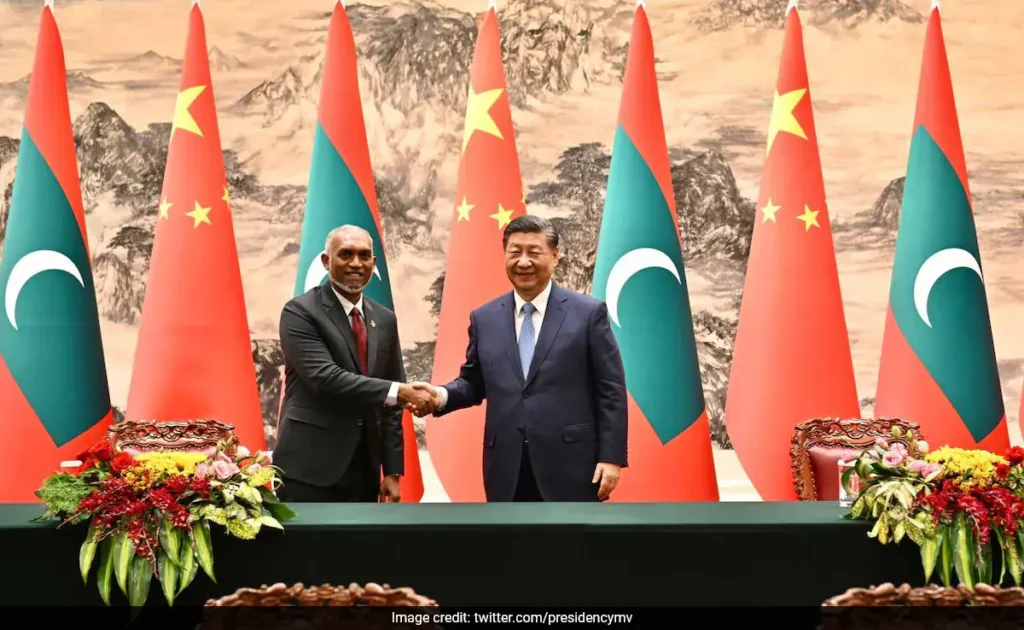
President Muizzu broke tradition by visiting Beijing before New Delhi. During his visit, the two nations signed 20 key agreements.
The Surveillance Threat: More concerning for India is the docking of Chinese research vessels like the Xiang Yang Hong 03. While officially for “oceanography,” these ships map the ocean floor to create submarine routes.
3. China’s Strategy: Debt and Docks
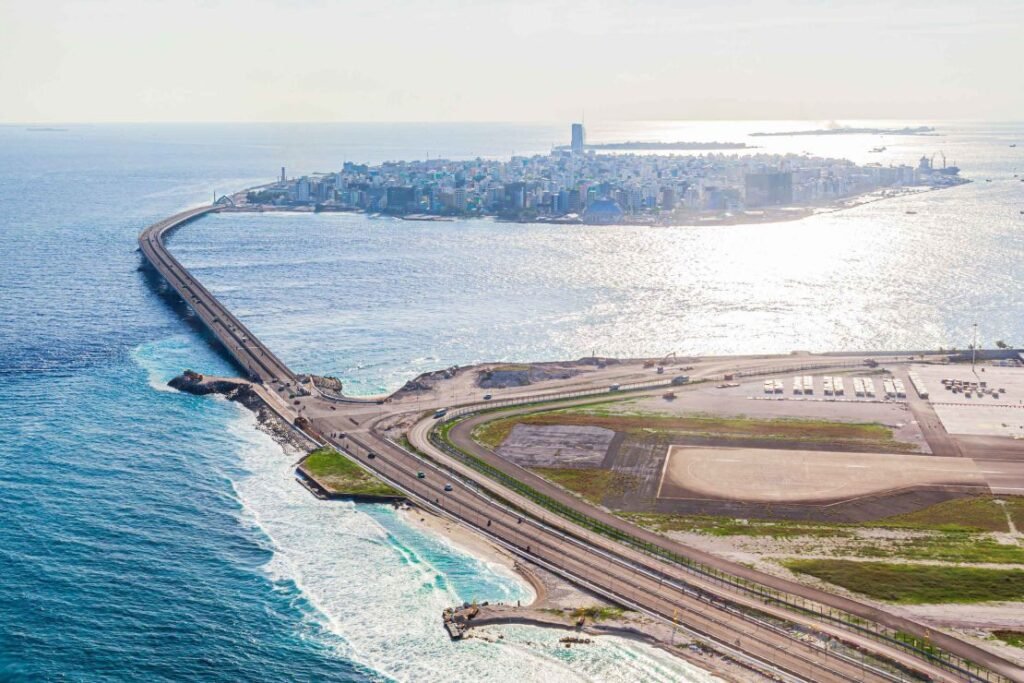
China creates dependency through infrastructure. The China-Maldives Friendship Bridge is the visible symbol, but the invisible cost is debt.
Just like in Sri Lanka (Hambantota), Beijing is lending money for massive projects. When the country cannot pay back, China demands equity or land—specifically islands that can be used for military surveillance.
4. India’s Counter-Move: Lakshadweep & Minimoy
New Delhi has realized that it cannot force the Maldives to be friendly. Instead, it is building its own fortress just north of the Maldives.
Lakshadweep Development: The Indian government has announced massive upgrades for the Lakshadweep islands to promote tourism and security, reducing reliance on the Maldives.
INS Jatayu: As we analyzed in our previous report, India has commissioned a new naval base at Minicoy Island, just 130 km from the Maldives. This ensures India can watch the Maldives without being in the Maldives.
Conclusion: A Reality Check
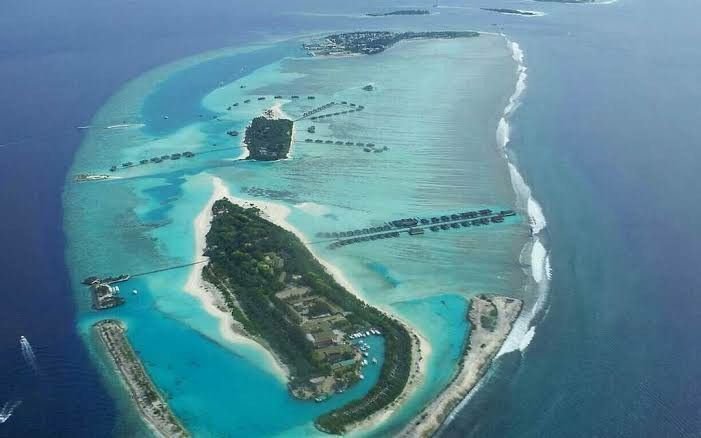
The geography of the Maldives cannot change. It is, and will always be, just 300 nautical miles from India. While China offers deep pockets, India offers geographical reality.
President Muizzu may pivot to Beijing, but when the next tsunami hits or the drinking water runs out, help will not come from 4,000 km away in China. It will come from the neighbor next door.
The “India Out” campaign may have won an election, but it has put the region’s security at risk.
Related Analysis: [Read how INS Jatayu is securing the channel between India and Maldives.]